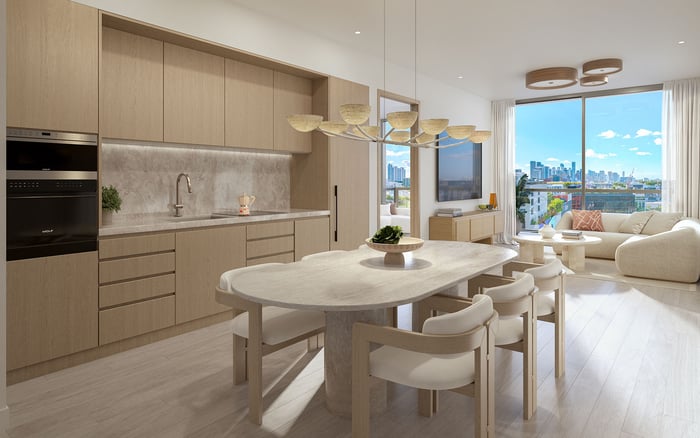
A discreet planning framework for buyers balancing succession, homestead, financing, privacy and rental objectives at Frida Kahlo Wynwood Residences.

For a buyer considering Frida Kahlo Wynwood Residences, the most consequential choice may not be the floor plan. It may be the name, trust, or entity that appears on the contract and ultimately takes title. A structure designed for succession can complicate a homestead objective. A privacy-oriented entity may not align with a lender’s preferred borrower, while rental intentions can affect how financing is evaluated.
The sequence is therefore unusually important: define the residence’s intended use, identify the estate-planning goal, test the proposed ownership structure with a lender, and have Florida counsel review the contract and condominium documents. These decisions should be coordinated before signing, not treated as closing formalities.
The strongest ownership plan is one that survives contact with the contract, lender and intended use.
Planned for 119 NW 29th Street in Wynwood, the development comprises two towers of eight and 14 stories with 244 residences. The offering ranges from studios to three-bedroom homes and penthouses, with anticipated interiors of approximately 400 to 1,170 square feet. The residences are being marketed as fully furnished, with launch pricing from about $500,000 to $1.6 million.
PMG and LNDMRK Development are co-developing the project. Carlos Ott leads the architectural concept with CUBE 3, while Cotofana Designs is responsible for the interiors. It is the first condominium licensed by the Frida Kahlo Corporation. The taller tower is expected to feature a large-scale image of Kahlo, with art throughout the property curated by the corporation.
This is a distinctive entry in Miami’s Branded Residences market, yet its planning questions are practical. Buyers comparing ownership structures across 888 Brickell by Dolce & Gabbana or Arte Surfside should not assume that one project’s title, rental, or lending framework transfers to another.
An estate plan might prioritize orderly succession, centralized family control, incapacity planning, or a defined disposition among heirs. None of those aims, standing alone, identifies the correct purchaser or titleholder. A trust, individual name, joint ownership arrangement, or entity can interact differently with the purchase contract, financing application, and intended occupancy.
Before committing, counsel should review who signs the contract, which assignees are permitted, whether a later change in purchaser is allowed, and how the final deed should coordinate with the buyer’s broader documents. If the plan anticipates a transfer before closing, that possibility should be tested against the contract rather than presumed.
This matters especially in pre-construction, where the interval between signing and delivery can be long. Sales launched in January 2026, while completion estimates range from 2028 to 2029. Family circumstances, financing markets, and planning priorities can change during that period.
A buyer who expects the residence to become a primary home should ask Florida real-estate and estate-planning counsel to evaluate homestead implications before selecting a title structure. The review should address intended occupancy, the proposed owner, the governing documents, and any associated office suite. The objective is not merely to pursue one benefit, but to avoid a mismatch between the estate plan and the property’s actual use.
The project’s office component makes that analysis more nuanced. Many residences are accompanied by deeded office suites, with roughly 206 homes expected to have offices measuring approximately 71 to 170 square feet. Buyers should confirm whether the office is conveyed under a separate deed, whether it must share ownership with the residence, and how counsel expects each component to be treated. Residential and office interests should not be assumed to receive identical tax, insurance, lending, or homestead treatment.
The project is marketed with short-term-rental flexibility. That feature may appeal to an investment buyer, but it should be disclosed when discussing owner-occupied, second-home, or investment financing. A project may permit short-term rentals while a particular borrower, unit, or loan program still faces separate underwriting questions.
A lender should receive the proposed vesting structure and details of any deeded office suite early in the process. Buyers should ask whether the residence and office will be treated as one collateral package, whether both must have matching ownership, and whether entity or trust ownership affects underwriting. These are questions for the selected lender and counsel, not assumptions to postpone until closing.
A deposit schedule calls for four 10 percent installments: at signing, five months later, at groundbreaking, and 12 months after groundbreaking. That would place 40 percent on deposit before closing. A substantial deposit timeline is not the same as final loan approval, so liquidity planning and financing strategy should proceed on separate tracks.
Privacy, asset administration, and succession are related, but they are not interchangeable. An ownership vehicle selected to reduce personal visibility may conflict with financing preferences or an intended homestead position. Conversely, taking title in an individual name for simplicity may not satisfy a family’s confidentiality or continuity priorities.
Counsel should explain which ownership information may appear in recorded instruments and other applicable records, what information a lender requires, and whether the proposed plan offers the level of discretion the buyer expects. No structure should be chosen solely because its label sounds private. The essential inquiry is how it functions across the contract, deed, loan, and estate documents.
A disciplined buyer’s-guide approach favors a single, coordinated review rather than isolated advice. The buyer’s Florida real-estate attorney, estate-planning counsel, tax adviser, insurance professional, and lender should work from the same intended-use statement and proposed ownership chart.
That review should cover permitted assignees, vesting, deposit obligations, rental provisions, office-suite documentation, and the final condominium documents. Planned amenities include an elevated pool and lounge, outdoor bar, fitness center, cold plunge, sauna, steam room, and treatment spaces, plus an approximately 5,000-square-foot Baker Health wellness center on the ground floor. These features shape the lifestyle proposition, but the binding documents should control the legal and financial analysis.
As of August 2026, the project remained in construction planning, with no completed residences listed for sale. Pricing, delivery estimates, amenities, office allocations, rental rules, and deposit terms remain subject to the final contract and condominium documents.
A disciplined buyer should write down four priorities before signing: who will use the residence, who should control it, how it should pass at death, and how much public visibility is acceptable. Add the expected financing category and the office suite’s proposed ownership. Any conflict among those answers is a reason to refine the plan before funds and contractual rights become harder to reposition.
The artistry of the address may attract attention, but discretion at purchase begins with structure. For confidential guidance on evaluating Frida Kahlo Wynwood Residences and other South Florida opportunities, connect with MILLION.
If branded residences are on your mind — as a home or as an allocation — we would be glad to share what we are seeing, privately.
Begin a quiet conversationThe development is planned for 119 NW 29th Street in Miami’s Wynwood Arts District.
The two-tower project is planned to contain 244 residences across its north and south buildings.
The proposed purchaser, permitted assignees, financing and final vesting may need to align. Counsel should review these issues before contractual options become limited.
Potential conflicts depend on the buyer, intended occupancy and ownership structure. Florida counsel should evaluate the specific plan before title is selected.
Residential and office components may be treated differently by lenders, insurers, taxing authorities and estate documents. Buyers should confirm the deed structure and ownership requirements.
Project materials indicate that roughly 206 residences will have office suites of approximately 71 to 170 square feet.
No. Buyers should disclose intended rental use because owner-occupied, second-home and investment financing can be evaluated differently.
One schedule calls for four 10 percent installments, totaling 40 percent before closing. The binding contract should be reviewed for the applicable terms.
Published completion estimates vary between 2028 and 2029, so buyers should rely on the final contract for operative timing.
Buyers should ask what ownership information may appear in applicable records, what a lender will require and whether the proposed structure meets their discretion goals.