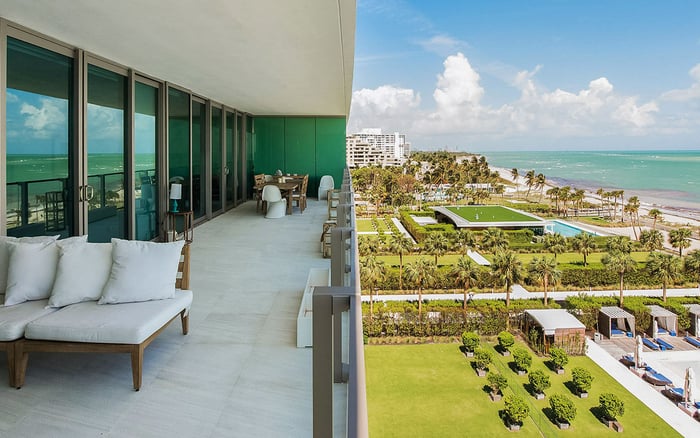
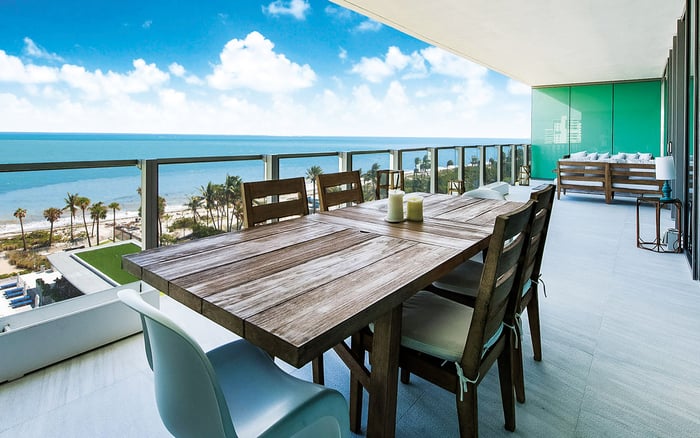
For a Key Biscayne oceanfront purchase, decisive due diligence extends beyond the residence. Buyers should compare the condominium questionnaire with financial, engineering, insurance, ownership, and litigation records, then determine how the building's current warrantability could affect acquisition terms and the future resale pool.
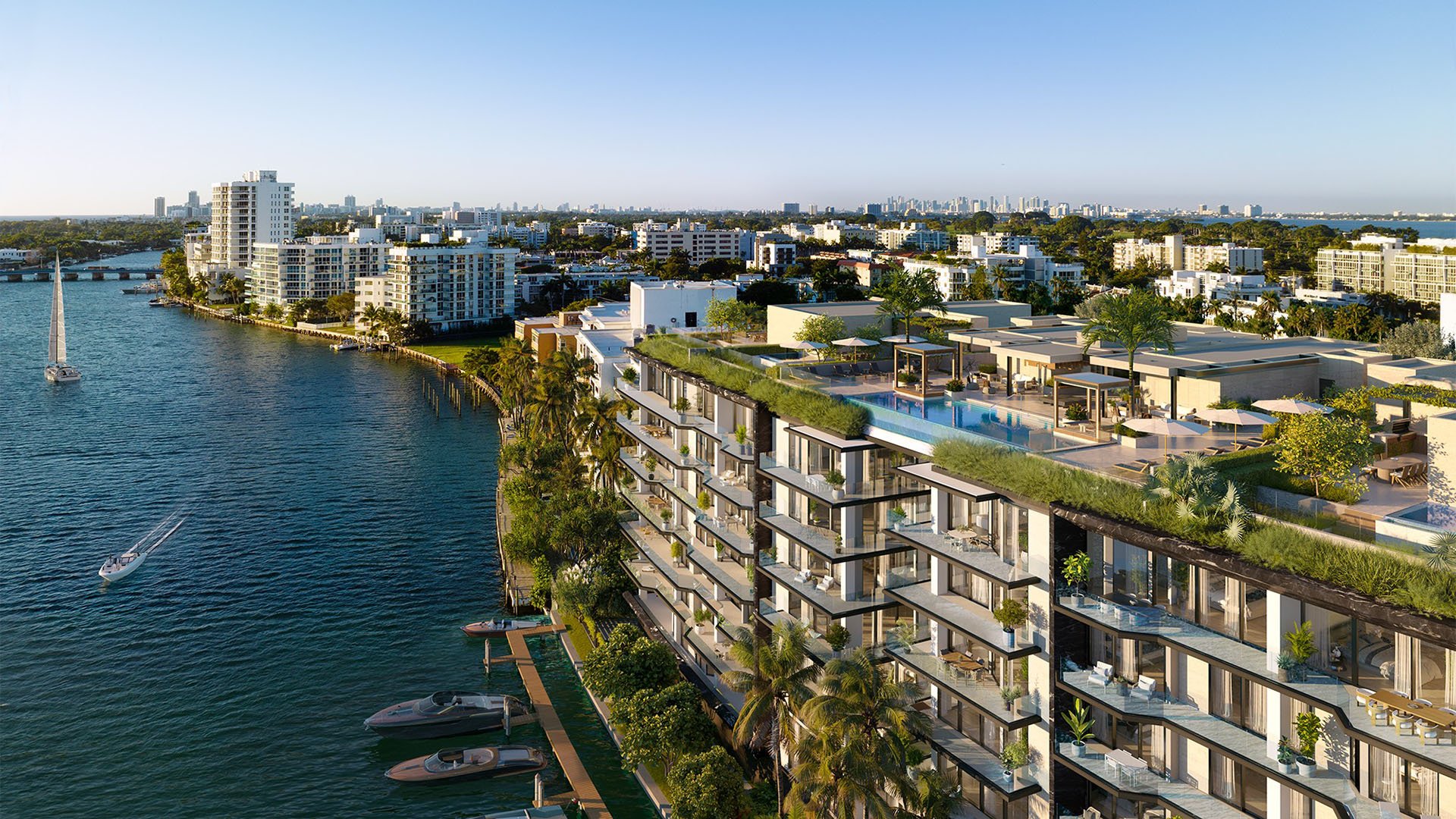
An oceanfront residence in Key Biscayne may satisfy every visible measure of a refined purchase: privacy, water exposure, generous terraces, and proximity to the city. Yet the less visible condition of the condominium association can influence whether a lender will finance the unit, how much liquidity a buyer must commit, and how readily the property may be sold later.
Warrantability is a project-level determination. A financially strong borrower and an exceptional unit do not by themselves establish that a building satisfies a lender's project standards. If a condominium falls outside the applicable criteria, the buyer may need to consider a lender or loan structure that accepts the building's particular profile.
That distinction should shape due diligence at Oceana Key Biscayne or any other island condominium, without implying the status of a particular property. The objective is not simply to ask whether a building is warrantable, but to identify the current documents and conditions behind the answer.
The most valuable financing answer is the one supported by current building records.
A condominium questionnaire can address association finances, ownership, occupancy, commercial uses, assessments, litigation, insurance, delinquent dues, reserves, and physical condition. The exact form and review scope depend on the lender and loan program.
Ask the property manager in writing who completes the form, what fee applies, the expected delivery time, and whether the answers come from management, counsel, or another association representative. Begin the project review before financing and inspection contingencies expire. Blank, qualified, or unknown responses deserve particular scrutiny when they concern litigation, inspections, reserves, or structural repairs.
A delayed, incomplete, or outdated response may interrupt the financing review even when the buyer is otherwise qualified. The purchase timeline should therefore account for association document delivery as well as the lender's review period.
A questionnaire is a summary, not a substitute for primary due diligence. Review its answers alongside the current budget, recent financial statements, available reserve materials, inspection and engineering reports, insurance documents, and governing records. Dates matter because a prior response may not reflect a newly adopted assessment, active repair program, or coverage change.
Ownership composition may also affect the lender's analysis. Ask the lender to evaluate owner occupancy, investor concentration, units held by a single owner, and any other ownership characteristics relevant to the proposed loan.
For a second-home or investment purchase, examine both leasing rules and actual operations. Hotel-style services, rental programs, and short-stay activity may require additional lender review. Mixed-use buildings also deserve separate scrutiny because commercial operations can affect project eligibility. Luxury positioning alone does not resolve these questions.
Reserve funding is central to the analysis. Confirm the current reserve balance, regular contributions, available reserve planning, and the association's approach to known or anticipated work. Delinquencies, operating shortfalls, special assessments, and insufficient funding may indicate financial pressure that requires closer review.
At an oceanfront building, request recent engineering materials and verify the scope and funding status of relevant exterior, structural, waterproofing, garage, amenity-deck, and seawall work. Unresolved conditions, deferred projects, or disputed repair obligations may affect financing and ownership costs. Pending litigation involving the building or essential systems also warrants review by the appropriate professionals.
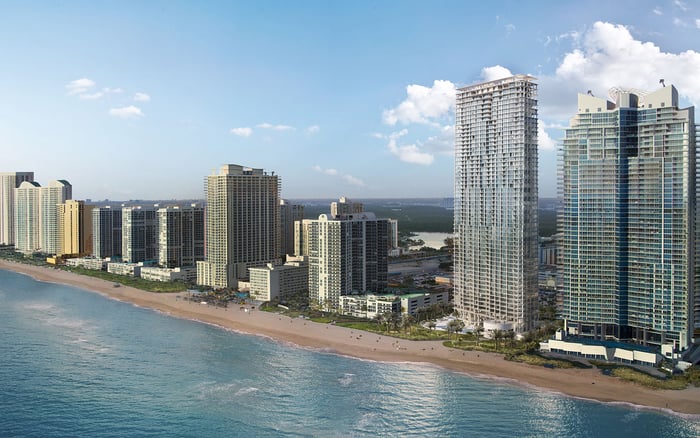
This discipline applies across coastal South Florida. Buyers comparing Key Biscayne with 57 Ocean Miami Beach, Eighty Seven Park Surfside, or Turnberry Ocean Club Sunny Isles should conduct a property-specific review rather than carry assumptions from one tower to another. The comparison is useful only when the underlying records are current and evaluated consistently.
Ask the lender which association insurance documents and coverage categories are required for the project review. Request the relevant policies, declarations, deductibles, and available renewal information, then have the lender confirm whether the materials satisfy its standards.
Coordination is essential. An insurance professional can explain coverage, association counsel can address legal questions, and the lender must determine whether the project meets its financing requirements. No single verbal assurance replaces these separate reviews.
Non-warrantable does not necessarily mean unfinanceable. It may require a portfolio or other specialized loan rather than the buyer's preferred conventional channel. Actual availability and terms depend on the building, lender, borrower, and transaction.
Obtain written alternatives before deciding whether the residence remains compelling. Compare the down payment, interest rate, amortization, borrower reserve requirements, prepayment terms, and closing timeline. Then incorporate those differences into the purchase-price analysis. A larger equity commitment or higher carrying cost can alter the economics, even for a buyer with substantial liquidity.
Cash does not eliminate the underlying resale question. If future purchasers face restricted financing choices, the buyer pool may narrow. That potential effect should be evaluated alongside lifestyle value, holding period, expected capital work, and the possibility that project eligibility may change over time.
Before contracting, request written guidance from the lender regarding the building's current project eligibility while independently verifying the association records supporting that conclusion. A prior financed sale is not conclusive because ownership, litigation, maintenance, reserves, insurance, assessments, and lender standards can change.
A disciplined file should contain the completed questionnaire, lender project decision, budgets and financial statements, reserve materials, engineering and inspection reports, governing documents, insurance evidence, assessment information, and available litigation details. Legal, lending, engineering, and insurance professionals should interpret matters within their respective expertise.
For the discerning buyer, this is not administrative friction. It is a clearer view of the building's financial resilience, physical stewardship, and marketability. The strongest Key Biscayne acquisition pairs an extraordinary residence with a condominium structure prepared for lender review today and buyer scrutiny tomorrow.
For private guidance on South Florida luxury real estate, connect with MILLION.
If branded residences are on your mind — as a home or as an allocation — we would be glad to share what we are seeing, privately.
Begin a quiet conversationIt means the condominium satisfies the project standards applicable to a particular financing channel. The lender must confirm the building's current eligibility.
No. The lender also reviews the condominium project, so a qualified borrower and desirable residence do not establish project eligibility.
It may address finances, ownership, occupancy, commercial uses, assessments, litigation, insurance, reserves, delinquencies, and physical condition.
Request it early enough for document delivery and lender review before relevant financing and inspection contingencies expire.
Pay close attention to blank, qualified, outdated, or unknown responses involving litigation, inspections, reserves, insurance, and repairs.
Review available records concerning exterior, structural, waterproofing, garage, amenity-deck, and seawall work relevant to the property.
Yes. Hotel-style services, rental programs, and short-stay activity may require additional project analysis by the lender.
Compare the down payment, interest rate, amortization, reserve requirements, prepayment terms, and closing timeline in writing.
Future purchasers may have fewer financing options, which could narrow the resale pool even if the current buyer pays cash.
Include the questionnaire, lender decision, financial records, reserve materials, engineering reports, governing documents, insurance evidence, assessment information, and available litigation details.