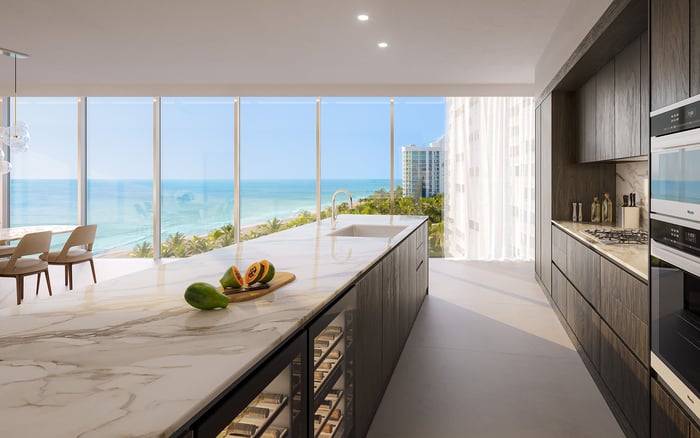
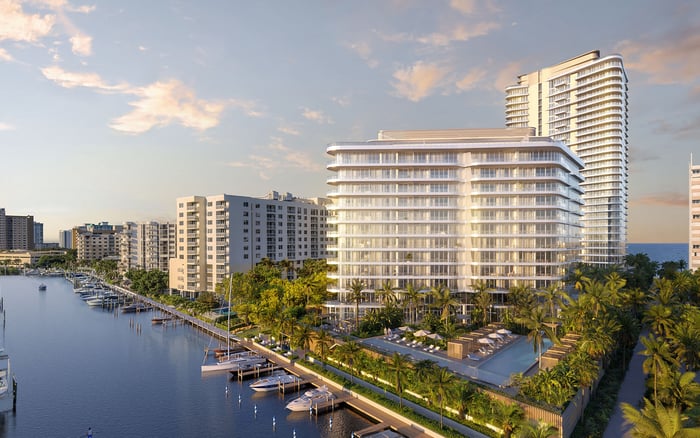
A waterfront residence can be both a private retreat and an income asset, but those ambitions depend on distinct layers of municipal, association, operational, and physical due diligence. Buyers should verify the property’s legal classification, current rental rights, enforcement history, security protocols, and evidence of common-area wear before treating flexibility as part of the purchase value.

A waterfront purchase in Pompano Beach can support private enjoyment, rental use, or a combination of both. The view may be immediately apparent, but rental flexibility requires documentary verification. Before assigning value to that flexibility, establish the residence’s legal property type and identify every municipal, association, and contractual restriction that may affect the intended use.
A waterfront house and a condominium require different diligence tracks. Buyers comparing condominium choices such as Armani Casa Residences Pompano Beach and Ocean 580 Pompano Beach should not infer rental rights from location, design, prior practice, or marketing. The current declaration, bylaws, rules, lease procedures, amendments, and transaction documents should be reviewed together.
Rental flexibility has value only when the legal right and operating record support it.
The diligence process should also distinguish between what is legally permitted and what is practical to operate. A use may appear possible in principle while approval procedures, insurance conditions, management requirements, or building operations make it unsuitable for the buyer’s plans.
For a condominium, read beyond any headline lease term. An association may regulate lease duration, frequency, tenant screening, advance approval, deposits, move procedures, guest registration, amenity access, and owner responsibility for occupants. The exact language in the current documents matters more than a seller’s recollection or prior leasing history.
Request the governing documents and subsequent amendments, then review board minutes, violation records, rule changes, and association correspondence addressing rentals, parties, amenity misuse, cleaning, damage, or security. Ask whether changes affecting leasing, deposits, screening, access, or security are under consideration. A proposed change may influence future utility even when the seller’s previous rentals complied with the rules then in effect.
For a house or small multifamily property, identify every approval, registration, inspection, tax, insurance, and management requirement applicable to the intended rental use. Request the seller’s current operating records and compare them with the property’s legal classification. Booking screenshots, listing descriptions, and management projections are not substitutes for official records and executed agreements.
The financial review should reconcile rental history with documented expenses. Examine management charges, cleaning, insurance, utilities, maintenance, taxes, access controls, security, and repair costs. The objective is to determine whether the claimed flexibility is both supportable and economically consistent with the buyer’s intended use.
Waterfront settings can present activity that is not apparent during a polished daytime showing. Boat movements, dock use, pool gatherings, terrace conversations, vehicle arrivals, service activity, and parking-area noise may vary by time and day. Visit during an evening and on a weekend when possible, spending time inside the residence, on terraces, near elevators, and beside the principal amenities.
Review the property’s specific noise and conduct rules rather than relying on assumptions about the neighborhood or building category. Determine whether the documents address amplified sound, terraces, pools, docks, corridors, parking areas, guests, and after-hours activity. The wording should be considered alongside evidence of how management and the board apply it.
Establish who is responsible when a tenant or guest violates a rule. Ask how complaints are recorded, who responds, what escalation process applies, and whether owners can be charged for damage or enforcement costs. Review available violation and management records for recurring concerns involving noise, parking, trash, nuisance activity, or amenity misuse.
If a rental plan depends on a local manager or designated contact, verify the arrangement in writing. Confirm who receives complaints, how access is handled, and who can intervene when the owner is unavailable. An operating plan is more credible when responsibility is clearly assigned rather than informally assumed.
In a luxury waterfront building, security should be evaluated as a complete operating system. Trace the arrival path for owners, approved tenants, day guests, vendors, service personnel, and occupants who are not registered. Review credential issuance, cancellation procedures, garage entry, dock access, camera placement, staffing, parking controls, and escalation protocols.
This review should be property-specific whether considering The Ritz-Carlton Residences® Pompano Beach, W Pompano Beach Hotel & Residences, or a resale residence. A recognizable name does not establish how an individual property registers occupants, manages credentials, controls residential circulation, or allocates security expenses. Current documents and direct observation remain essential.
Ask management to describe how the protocol works in practice. Useful questions include how lost credentials are disabled, who may authorize dock entry, how parking violations are handled, and what happens when the registered tenant is absent. Clear and consistent answers can help a buyer assess whether written controls are actively administered.
Observe physical details as well. Consider sightlines at entrances, separation between public and private areas, elevator access, garage circulation, delivery procedures, and the route from the waterfront to residential floors. The objective is not to identify a perfect system, but to understand the controls, exceptions, and costs associated with the property.
Frequent occupant turnover can affect elevators, lobbies, docks, pools, fitness rooms, garages, corridors, access systems, and staffed areas. Visible condition during a showing offers only a snapshot. Review the budget, reserve information, maintenance spending, assessment history, and planned projects to understand whether recurring wear is being funded, deferred, or shifted to owners.
Read meeting minutes alongside the financial records. Repeated discussion of elevator service, pool cleaning, dock repairs, access-control replacement, added security, move damage, or amenity misuse may explain expense lines and reveal operational patterns. Violation records and management correspondence can help distinguish isolated incidents from recurring concerns.
Waterfront ownership also requires separating cosmetic presentation from durable stewardship. Examine high-traffic finishes and access points, then ask who pays for tenant- or guest-related damage, how deposits are managed, how claims are documented, and whether collection procedures are consistently applied.
The practical question is not simply whether renters or guests are permitted. It is whether the property’s rules, staffing, finances, and maintenance practices protect the residential experience. A building that permits leasing without effective controls may offer less usable flexibility than its documents initially suggest.
Before closing, organize the findings by legal authority, operating compliance, conduct history, and physical-financial condition. For a condominium, retain the governing documents, amendments, lease materials, approvals, deposits, violation information, and proposed changes. For a house or small multifamily property, retain the property classification, applicable approvals, operating records, insurance information, tax records, and management arrangements.
Reconcile those files with the intended use. A buyer seeking occasional rental periods may evaluate the property differently from one planning regular turnover, while a private owner may still care about neighboring leasing patterns. The purchase analysis should identify which assumptions are documented, which remain conditional, and which require professional review before closing.
Waterfront value is strongest when rental flexibility, quiet enjoyment, security, and maintenance discipline support one another. For discreet guidance on evaluating a Pompano Beach waterfront acquisition, consult MILLION.
If branded residences are on your mind — as a home or as an allocation — we would be glad to share what we are seeing, privately.
Begin a quiet conversationThe property type helps determine which municipal, association, and contractual rules require review before relying on rental flexibility.
Review the declaration, bylaws, rules, amendments, lease procedures, approval materials, and relevant transaction documents.
No. Prior activity does not replace verification of current rules, approvals, insurance conditions, and proposed changes.
Review management, cleaning, insurance, utilities, maintenance, taxes, security, access-control, and repair costs reflected in available records.
Visit during different times, including an evening or weekend, and review rules and records involving noise, parking, docks, guests, and amenities.
Confirm who receives complaints, how incidents are documented, what escalation process applies, and whether the owner bears related costs.
Examine registration, credentials, garage and dock access, cameras, staffing, parking controls, delivery procedures, and escalation protocols.
Review budgets, reserve information, maintenance spending, assessments, meeting minutes, violation records, and planned projects.
Pending changes to leasing, screening, deposits, access, or security may affect future use and ownership costs.
Group the records by legal authority, operating compliance, conduct history, and physical-financial condition, then compare them with the intended use.