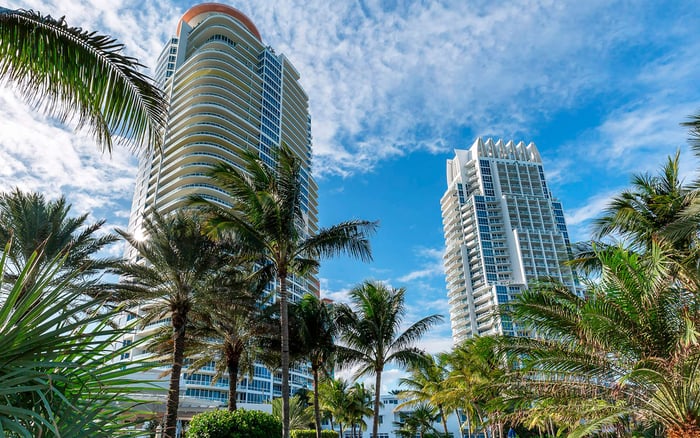
For Manhattan buyers establishing a South Beach base, a disciplined review of condominium documents, structural inspections, reserve funding and insurance history is as important as selecting the residence itself.

A South Beach base should make the transition from Manhattan feel effortless. The purchase deserves a more deliberate pace. Beyond the residence itself, evaluate the association’s structural obligations, financial commitments and insurance position. A beautifully presented apartment cannot answer questions about the building’s next repair cycle.
Whether the search includes Apogee South Beach or another address, keep two decisions separate: whether the home suits your life and whether the building’s records support the ownership commitment. Receiving documents does not establish that their assumptions are sound or that identified work is funded.
For a buyer managing the acquisition from New York, coordination is the priority. Ask Florida condominium counsel to organize the legal review, with qualified engineering and insurance advisers addressing questions within their disciplines. Build that review into the purchase timetable rather than leaving unresolved questions for the final days before closing.
Florida condominium buyers are entitled to specified documents, generally prepared at the seller’s expense. These include governing documents, the current budget, financial information and applicable inspection materials. Have counsel establish which documents and disclosures apply to the transaction, then track receipt and review separately.
Resale contracts must include applicable disclosures concerning required milestone inspections, turnover inspection reports and structural integrity reserve studies. When required reports have not been completed, conspicuous disclosure is required. A missing required study is not merely an administrative inconvenience to overlook.
Organize the review around four questions:
What governs ownership and the intended use of the residence?
What inspections and studies apply, and what remains outstanding?
What work has been identified, scheduled or funded?
What financial obligations could affect the buyer after closing?
If Continuum on South Beach is on the shortlist, apply the same discipline to the documents for the specific purchase. A project name is no substitute for the relevant association records. Record unresolved items in writing so the buyer, counsel and advisers work from the same questions.
A milestone inspection examines a qualifying building’s structural condition, including its load-bearing structure and other structural components. Requirements are tied to building age and recurring inspection cycles. Establish the building’s status rather than assuming an inspection is unnecessary or already complete.
Request the complete report. Review its structural findings, repair recommendations and any requirement for a Phase Two inspection or further investigation. Ask a qualified professional to explain findings material to the purchase rather than relying on a brief summary.
Then connect the inspection to action. Clarify what work remains, the proposed sequence and the evidence supporting any statement that repairs are complete. Distinguish an inspection date from a repair-completion date-and both from evidence of funding.
Avoid assumptions based solely on coastal proximity. What matters is the building-specific requirement and status, not a generalized deadline attached to a South Beach address.
A structural integrity reserve study, or SIRS, evaluates funding needs for specified structural and life-safety components. It is not interchangeable with a milestone inspection. Qualifying associations must complete a SIRS at least every 10 years for each condominium building that is three habitable stories or higher.
The component scope includes roofs, structural systems, fireproofing and fire-protection systems, plumbing, electrical systems, waterproofing, windows, exterior doors and other qualifying components. Review the inventory, remaining-useful-life estimates, replacement-cost assumptions and funding schedule-not merely confirmation that the study exists.
Distinguish among a study’s recommendation, a statutory funding obligation and cash already held by the association. These are different measures. A reserve line in the budget alone does not demonstrate adequate funding.
Compare the approved budget and reserve schedule with the SIRS. Ask advisers to identify where planned contributions, available balances and anticipated work align-and where they do not. Inspection findings and reserve studies can identify needs that lead to higher regular assessments or special assessments.
For associations with milestone inspections required on or before December 31, 2026, a specific accommodation permits simultaneous SIRS completion, with the SIRS completed by that date. This is not a universal deadline for every condominium. Have counsel confirm applicability rather than treating the date as a blanket extension.
Insurance deserves a separate review, not a single question about the current premium. Request master-policy declarations, deductibles, exclusions, renewal notices, loss runs and information about open claims. Treat this as a due-diligence request, not an assertion that a buyer has a statutory entitlement to every record.
Ask a qualified insurance adviser to explain the materials supplied and identify any further information needed to evaluate the proposed purchase. Discuss the relationship between association coverage and the buyer’s proposed unit-owner coverage, including an HO-6 quote appropriate to the residence and intended use.
For a residence under consideration at Setai Residences Miami Beach, as elsewhere, use actual policy and claims information rather than assumptions associated with the address. Do not infer future premiums, deductible exposure or claims outcomes from presentation, reputation or a quoted monthly assessment.
Ask Florida condominium counsel to address existing assessments, installments payable after closing and assessments approved between signing and closing. Do not assume a universal rule that the seller or buyer pays every category. The contract review should resolve the allocation applicable to the transaction.
For comparison, separate current recurring charges, known assessment obligations and unresolved future funding needs. This gives a clearer picture of ownership costs than a single monthly figure. Where repair scope or funding remains unsettled, ask what additional evidence is needed before reaching a conclusion.
If comparing Five Park Miami Beach with another candidate, use the same review framework while confirming which requirements apply to each building. The aim is to ask comparable questions, not to assume every property has identical obligations.
Before closing, request updated information on budgets, assessments, inspection follow-up and insurance developments. Have counsel address material changes and outstanding questions. For a part-time Miami Beach home, also verify proposed arrangements for guests, renovations, parking and any intended rental use against applicable rules. Do not infer permissions from the neighborhood.
The strongest purchase decision connects four things: what the building needs, when it needs it, how the association intends to pay and what the buyer may be asked to contribute. That clarity is part of the luxury of having a South Florida base.
For a considered approach to your South Beach search, connect with MILLION.
If branded residences are on your mind — as a home or as an allocation — we would be glad to share what we are seeing, privately.
Begin a quiet conversationReview governing documents, the current budget, financial information and applicable inspection materials. Have Florida condominium counsel confirm the documents and disclosures required for the transaction.
No. Document receipt does not establish that assumptions are sound, repairs are funded or reserve balances match anticipated needs.
It examines a qualifying building’s structural condition, including its load-bearing structure and other structural components. Buyers should review the complete findings and any need for further investigation.
No. A structural integrity reserve study evaluates funding needs for specified structural and life-safety components, while a milestone inspection examines structural condition.
Qualifying associations must complete a SIRS at least every 10 years for each condominium building that is three habitable stories or higher.
No. The specified accommodation allows associations with milestone inspections required on or before that date to complete the SIRS simultaneously, with SIRS completion by December 31, 2026.
No. Compare the approved budget and reserve schedule with the SIRS and available balances, distinguishing recommendations, legal obligations and cash already held.
Request master-policy declarations, deductibles, exclusions, renewal notices, loss runs and open-claim information. These are due-diligence requests, not a claim of statutory entitlement to every record.
Do not assume a universal seller-versus-buyer rule. Have counsel address existing assessments, installments due after closing and assessments approved between signing and closing.
Request current information on budgets, assessments, inspection follow-up and insurance developments. Have counsel address material changes and unresolved questions before proceeding.