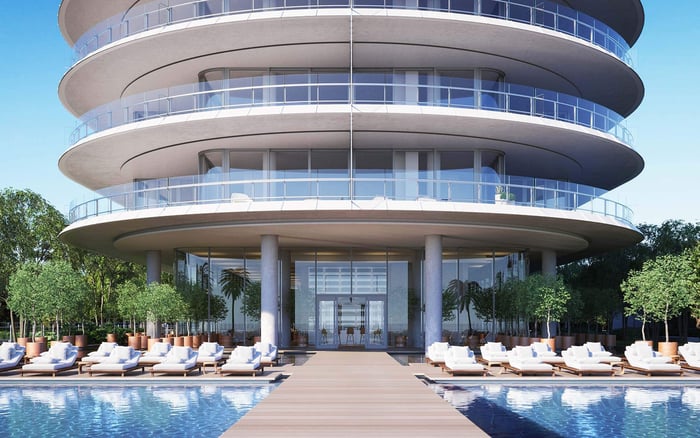
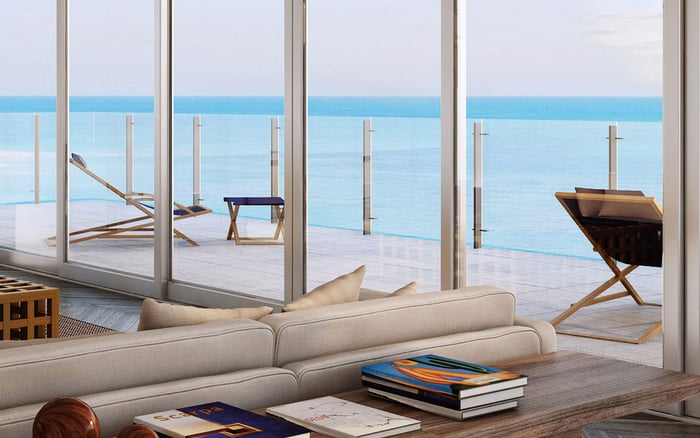
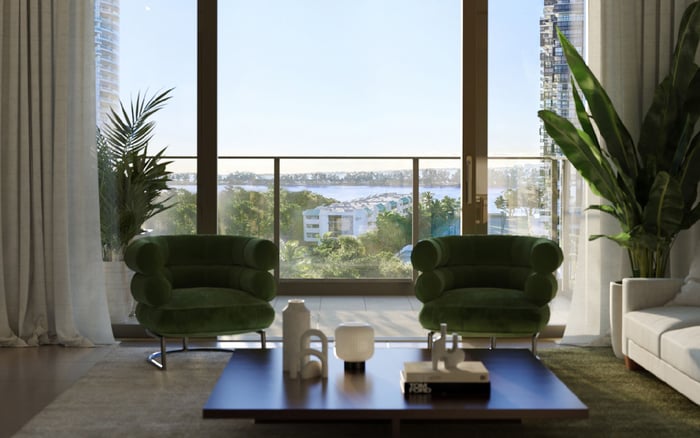
A buyer-focused guide to evaluating neighbor sightlines, privacy, balcony exposure, view corridors, and due diligence before purchasing at Eighty Seven Park Surfside.
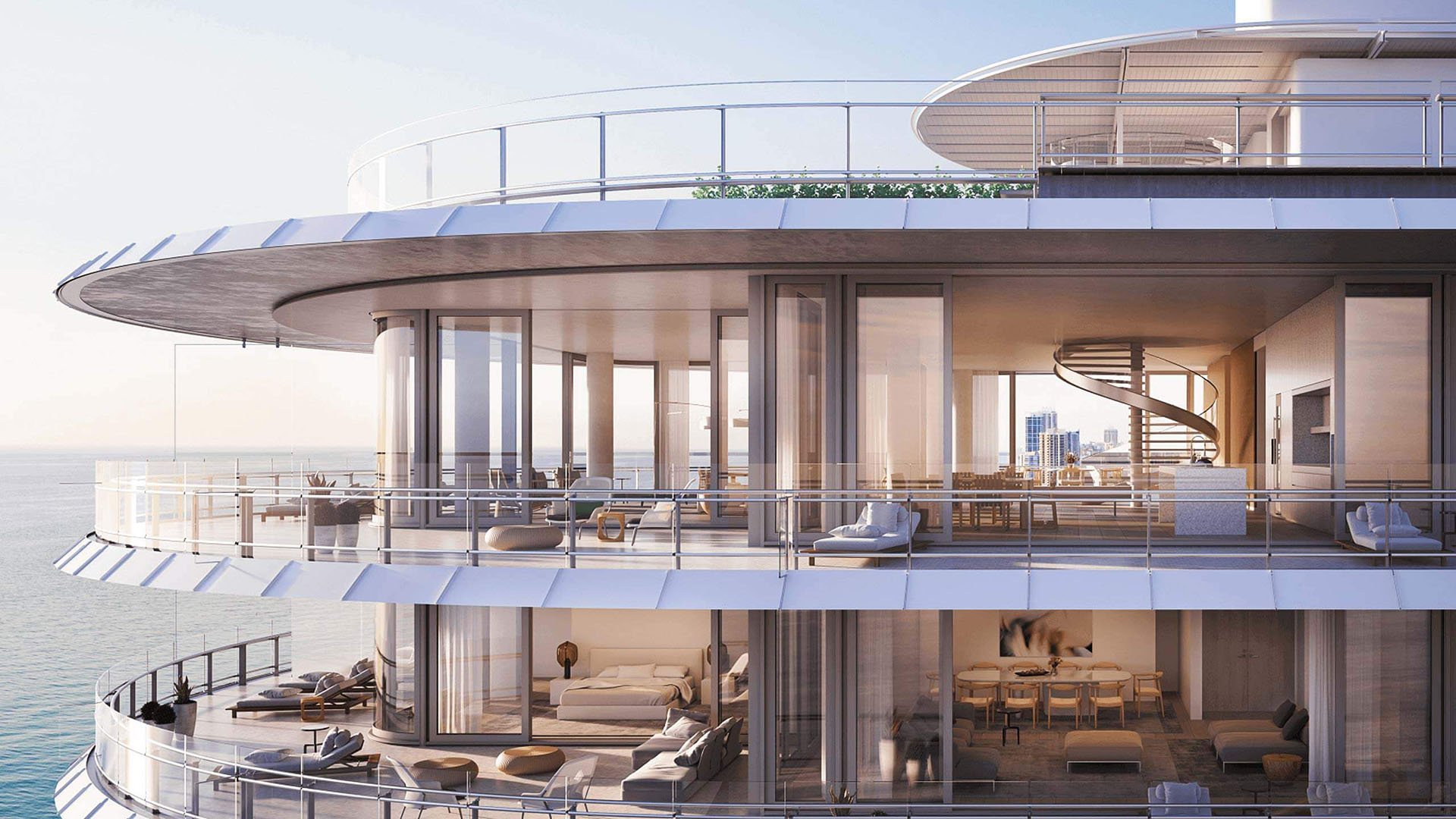
At the ultra-prime end of the Miami coastline, a view is not simply a backdrop. It is part of the daily experience, part of the resale narrative, and often part of the emotional reason a buyer chooses one residence over another. At Eighty Seven Park Surfside, buyers should look beyond the postcard language of ocean, park, skyline, or coastal exposure and ask a more exacting question: what will I actually see from the rooms where I live, dine, wake, work, and entertain?
Neighbor sightlines deserve close attention because they sit at the intersection of privacy, value, and lifestyle. A residence can offer a compelling Waterview while also facing adjacent balconies, terraces, windows, service areas, or circulation paths. Conversely, a home that appears less dramatic in a marketing image may feel more private and serene in person. The distinction is not always visible from a floor plan. It must be studied carefully, from the perspective of a buyer who intends to use the residence, not merely admire it.
For Surfside buyers, the conversation should be precise. Ask what is visible at eye level from the primary suite, living room, kitchen, terrace, and secondary bedrooms. Ask what neighboring residents can see into the home during the day and after sunset. Ask how the experience changes when interior lights are on. At this level, the most valuable view is often the one that combines beauty with discretion.
The first question is simple: from which exact position was the view represented? A photograph taken from the far edge of a terrace can create a different impression than the view from a sofa, bed, dining table, or home office. Buyers should request room-by-room clarity and, when possible, compare perspectives from both standing and seated heights.
The second question is about angles. Does the primary view look straight out, or does it depend on turning toward one side? Is the best exposure captured from the balcony, or does it also exist from the interior? A luxury residence should not require constant choreography to feel expansive. The more a view depends on a particular stance, the more carefully it should be evaluated.
The third question concerns neighboring structures. Which nearby windows, terraces, rooftops, amenity decks, or exterior corridors align with the residence? Buyers often focus on what they can see out, but privacy depends equally on what others can see in. This is especially relevant in coastal neighborhoods where buildings may sit in close visual conversation with one another.
The fourth question is about permanence. No buyer should assume that a view condition is fixed without thoughtful review. A view may feel open today because of landscaping, light, interior staging, or time of day. That same view may feel different with occupied neighboring residences, evening lighting, window treatments, or seasonal sun angles.
Sightline diligence should begin inside the home, not on the terrace. The living room is typically where openness matters most, but the primary suite is where privacy matters most. Buyers should stand near the bed wall, the bathroom entry, the closet transition, and the glass line. If a neighbor can see directly into a sleeping area or bathing zone, the buyer should understand that before negotiating value.
Kitchens require their own review. In many contemporary residences, the kitchen is highly visible from the main living area and often sits within a direct glass-to-glass axis. For owners who entertain frequently, this can be elegant. For owners who prize privacy, it can be revealing. Ask whether neighboring sightlines intersect with the island, dining table, or main seating area.
Secondary bedrooms are easy to overlook, but they may matter to family members, guests, staff, or visiting adult children. A bedroom that feels private during a brief showing may feel exposed at night. The best evaluation includes daytime and evening impressions, plus a discussion of window treatment options that preserve the view without turning the residence into a closed envelope.
Balcony exposure is both a pleasure and a test. It offers air, light, and a stronger connection to the coastline, but it can also reveal how close neighboring terraces feel in practice. Buyers should ask whether the terrace is visible from adjacent residences, whether outdoor furniture placement affects privacy, and whether one portion of the terrace feels more protected than another.
Glass is another important variable. Floor-to-ceiling glazing can intensify the sense of openness, but it can also amplify visibility into the home. Buyers should consider reflection, glare, nighttime illumination, and how interior lighting affects privacy after dark. A residence that feels discreet at noon may feel more exposed during an evening dinner.
High-floors are often assumed to be the answer, but elevation is not a universal solution. A higher residence may clear certain obstructions while aligning with other upper-level windows, rooftops, or amenity spaces. The correct question is not simply whether the home is high, but whether its particular elevation improves both view quality and privacy.
A sophisticated buyer will also ask how furniture changes the experience. Low lounge seating, dining chairs, tall planters, outdoor screens, and art placement can all affect how a residence lives. These are not substitutes for architectural privacy, but they can refine the way a home feels once occupied.
Oceanfront ownership carries an emotional premium because water changes constantly. Light, color, weather, and the horizon line all contribute to the mood of a residence. Yet the most satisfying coastal homes rarely rely on water alone. They balance outlook, silence, proportion, and privacy.
For Eighty Seven Park Surfside, a buyer should distinguish between a view that photographs beautifully and a view that supports daily life. Will the main seating area feel calm when neighboring residences are occupied? Does the primary bedroom feel private with shades open? Can one enjoy breakfast, take a call, or host drinks outdoors without feeling observed?
This is where a buyer’s lifestyle matters. A seasonal owner may prioritize dramatic arrival impact. A full-time resident may place greater value on privacy from routine angles. A collector may care about wall placement and sun exposure. A family may focus on bedroom discretion. An investor may care about the broadest appeal to future buyers. Each profile should ask a different version of the sightline question.
Before proceeding, buyers should request the most concrete visual information available. That may include current photographs from the actual residence, terrace views from multiple corners, video walk-throughs, evening imagery, and views from the principal rooms rather than only from the exterior edge. If the residence is not yet accessible, buyers should ask for the clearest available visual representation and discuss limitations directly with their advisor.
The purchase conversation should also include window treatments, terrace use rules, neighboring building orientation, and the likely experience at different times of day. If a residence requires extensive shading for privacy, the buyer should understand how that affects the very view being purchased. If one exposure is more private than another, the floor plan may live differently than expected.
None of this diminishes the appeal of Surfside. It sharpens it. The most successful buyers are not those who chase the broadest claim, but those who understand the exact experience they are acquiring. In a market where nuance can separate a good residence from an exceptional one, neighbor sightlines are not a minor detail. They are part of the architecture of daily life.
Why are neighbor sightlines important at Eighty Seven Park Surfside? They affect privacy, comfort, and how the residence feels in daily use. A beautiful view can still feel compromised if neighboring windows or terraces look directly into key rooms.
Should buyers evaluate views from the balcony only? No. The most important perspectives are often from the living room, primary suite, dining area, kitchen, and seated positions inside the residence.
Do high-floors always offer better privacy? Not always. Higher elevations may improve some outlooks while aligning with other upper-level windows, rooftops, or amenity areas.
What is the best time of day to assess sightlines? Buyers should consider both daylight and evening conditions. Interior lighting at night can make a residence feel more visible from neighboring homes.
Can window treatments solve privacy concerns? They can help, but they may also reduce the openness and Waterview a buyer is paying for. The goal is to understand the trade-off before purchase.
What rooms deserve the closest privacy review? The primary bedroom, primary bath, living room, kitchen, and terrace should be studied first. These areas shape the daily experience most directly.
Is an Oceanfront view enough to protect long-term appeal? Oceanfront positioning is desirable, but privacy and view quality still require careful evaluation. Buyers should look at the full visual field, not only the water.
Should furniture placement be part of sightline diligence? Yes. Seating height, dining placement, outdoor furniture, and planters can change how exposed or private a residence feels.
How should Surfside buyers compare two similar residences? Compare the exact views from daily living positions, not just headline exposure. The more private residence may be the stronger long-term choice.
What should a buyer ask before relying on a represented view? Ask where the image was taken, what height it represents, and whether it reflects the actual residence. Room-specific documentation is especially useful.
To compare the best-fit options with clarity, connect with MILLION.
If branded residences are on your mind — as a home or as an allocation — we would be glad to share what we are seeing, privately.
Begin a quiet conversation