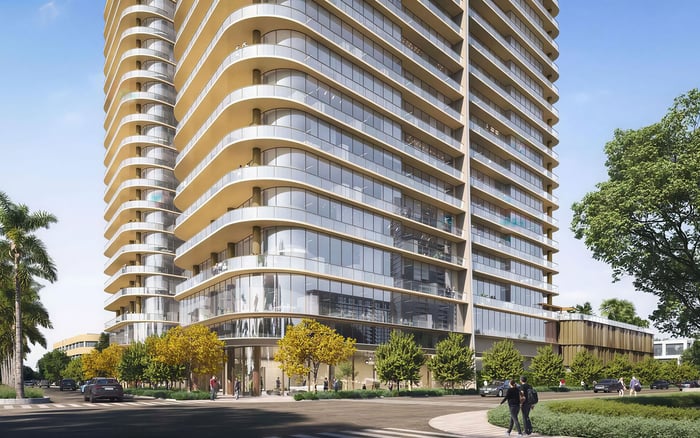
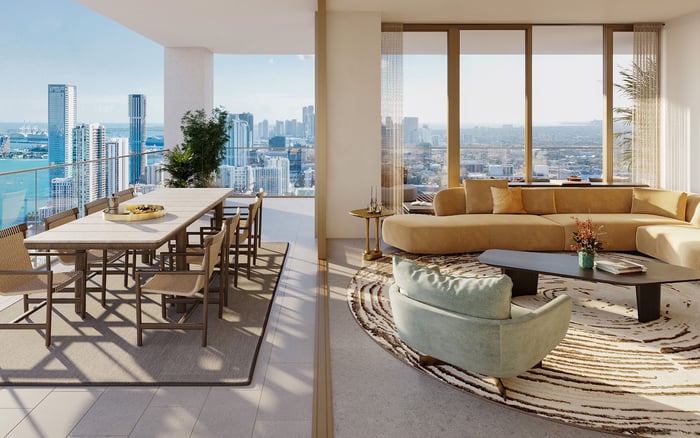
A buyer-focused due-diligence guide for evaluating wellness, design, and art-led condominium opportunities in Brickell, Midtown Miami, and Wynwood with discretion and discipline.

The appeal of House of Wellness Brickell, Miami Design Residences Midtown Miami, and Frida Kahlo Wynwood Residences begins with identity. Each name signals a different promise: wellness, design, and art. For a sophisticated buyer, that is only the entry point. The more important question is how those promises translate into enforceable rights, operating obligations, ownership economics, and daily life.
In South Florida, luxury buyers often weigh emotional appeal against legal structure. A residence may feel compelling because it sits in Brickell, speaks to a design-forward lifestyle, or connects to the creative energy of Wynwood. Yet the acquisition should be evaluated with the rigor reserved for any major asset. The strongest buyers separate marketing language from recorded documents, presentation renderings from construction obligations, and amenity concepts from long-term association costs.
When reviewing House of Wellness Brickell, the due-diligence file should not stop at the wellness story. It should address governance, delivery risk, insurance assumptions, rules, fees, reserve planning, and the practical reality of living in a high-density urban setting. The same discipline applies to Miami Design Residences Midtown Miami and Frida Kahlo Wynwood Residences, where the cultural narrative may be especially strong.
The first review should be documentary. Buyers should request the current condominium documents, purchase agreement, deposit schedule, association budget, estimated assessments, rules and regulations, disclosure materials, and any exhibits governing amenities, branding, services, and use restrictions. If the residence is Pre-Construction, the contract should be read with particular attention to termination rights, construction timing, material changes, extension provisions, and the remedies available if expectations shift.
A careful buyer should identify which promises are binding and which are aspirational. If a sales presentation references wellness programming, design services, art-inspired interiors, hotel-style features, or curated experiences, the buyer should ask where those items appear in the controlling documents. A beautiful phrase is not the same as a contractual obligation. Counsel should confirm whether amenities, services, and branding can be altered, reduced, replaced, or discontinued.
Deposit handling deserves equal scrutiny. Buyers should understand where deposits are held, when portions may be released, what protections apply, and which events could affect refundability. For New-construction opportunities, the deposit structure is part of the risk profile, not merely a payment schedule.
Location due diligence should move beyond broad neighborhood reputation. Brickell offers a dense financial and residential environment with an urban rhythm that can be highly attractive to buyers who prioritize proximity, dining, offices, and vertical living. For Brickell comparisons, buyers may also consider how projects such as ORA by Casa Tua Brickell frame lifestyle, service, and urban convenience without assuming that any two buildings operate alike.
Midtown Miami and Wynwood require a different lens. The buyer should study the immediate streetscape, surrounding parcels, traffic patterns, parking environment, planned nearby development, and noise conditions at multiple times of day. A buyer drawn to creative districts should ask how that energy will feel during weekday mornings, weekend evenings, event periods, and seasonal peaks.
For Wynwood, art and cultural identity can be central to the appeal. That does not replace practical review. A buyer should test whether the building's rules, access, parking, security, and service model support the intended lifestyle. The best fit is not always the most dramatic concept; it is the residence whose operations align with how the owner actually lives.
Wellness amenities can be meaningful when they are well planned, well staffed, and financially sustainable. Buyers evaluating a wellness-oriented property should ask who operates the spaces, which services are included, which services may require separate payment, and whether programming is guaranteed or subject to future association decisions. A comparison with The Well Coconut Grove can help buyers frame the difference between a wellness identity and the documents that support it.
Design-led residences require a parallel inquiry. If the appeal is architecture, interiors, finish packages, or curated common spaces, the buyer should review specifications, substitution rights, approval processes, and warranty language. A design concept may be persuasive, but the purchase should depend on what will actually be delivered, maintained, and paid for over time. Buyers considering Midtown Miami may also examine broader design-led references such as Kempinski Residences Miami Design District when thinking about how branding, location, and lifestyle positioning interact.
Art-led residences deserve special care. If intellectual property, artist identity, reproductions, collections, murals, or cultural programming appear in the sales narrative, buyers should ask what is permanent, what is licensed, what is decorative, and what may change. A name can create emotional resonance, but ownership value depends on documentation, maintenance, and market acceptance.
Luxury buyers often focus on acquisition price, but the ongoing cost of ownership can be just as important. The review should include monthly assessments, insurance assumptions, utilities, parking, storage, reserves, staffing, amenity operations, management fees, and the potential for special assessments. A low initial estimate should be stress-tested, especially when a project promises labor-intensive services or highly programmed amenities.
Investment analysis should be conservative. Buyers should review rental rules, minimum lease terms, approval processes, pet policies, guest access, parking rights, and any restrictions that could affect future flexibility. Even a buyer who intends personal use today may want optionality tomorrow. Resale depth should also be considered: who is the likely next buyer, what comparable lifestyle alternatives exist, and how specialized is the project's identity?
A building with a narrow concept may create strong affinity among the right audience, but it may also require a more specific resale buyer. That is not a flaw. It is simply a factor that belongs in the underwriting.
A polished sales gallery can make a decision feel simple. It should not make the process casual. Buyers should coordinate legal counsel, tax advisers, insurance specialists, financing professionals, and property inspectors or construction consultants where appropriate. The goal is not to diminish the romance of the purchase. It is to protect it.
The most confident acquisitions come from alignment: the lifestyle story is appealing, the documents support the promise, the costs are understood, and the buyer's time horizon fits the asset. For House of Wellness Brickell, Miami Design Residences Midtown Miami, and Frida Kahlo Wynwood Residences, the central discipline is the same. Let the concept inspire interest, then let due diligence decide.
What should buyers review first? Start with the purchase agreement, condominium documents, budget, disclosures, deposit terms, and rules governing use, amenities, and association control.
Is a wellness concept enough to support a purchase decision? No. Buyers should confirm which wellness spaces, services, and programs are legally required and which may be modified later.
How should buyers evaluate design-led residences? Review specifications, finish schedules, substitution rights, warranties, and the process for approving or changing interior and common-area details.
What matters most in an art-inspired project? Buyers should determine whether art, cultural programming, branding, and visual identity are permanent obligations or discretionary presentation elements.
Why is Pre-Construction review different? Pre-Construction purchases require special attention to timing, completion obligations, changes, deposits, rescission rights, and buyer remedies.
Should rental rules be reviewed even for personal-use buyers? Yes. Rental restrictions can affect future flexibility, estate planning, resale appeal, and long-term Investment strategy.
How important are association budgets? Very important. Budgets reveal expected operating costs, staffing assumptions, reserve planning, insurance exposure, and amenity maintenance obligations.
What should Brickell buyers focus on? Brickell buyers should study density, access, parking, building operations, noise, service levels, and how the residence supports daily urban living.
What should Wynwood buyers focus on? Wynwood buyers should evaluate surrounding parcels, event activity, parking, security, nighttime patterns, and the long-term fit of a creative district.
Can the right concept still be the wrong purchase? Yes. A strong concept must still align with documents, costs, liquidity, timing, financing, and the buyer's intended use.
For a discreet conversation and a curated building-by-building shortlist, connect with MILLION.
If branded residences are on your mind — as a home or as an allocation — we would be glad to share what we are seeing, privately.
Begin a quiet conversation