A discreet arrival requires more than a private elevator. For South Beach buyers, the essential review follows every transition from sidewalk and garage to residence, then tests how deliveries, contractors and service traffic intersect with daily life.
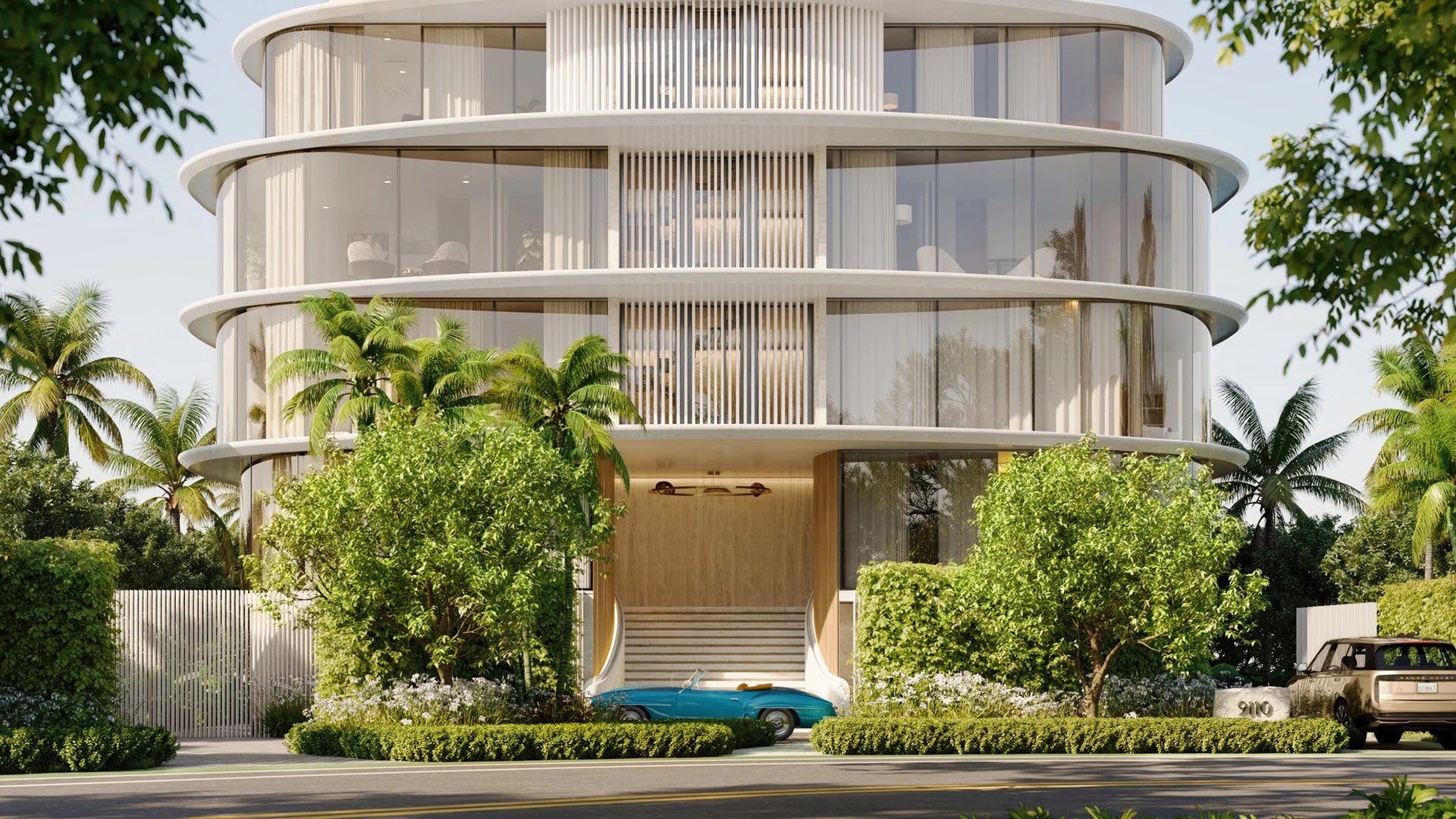
An ocean view reveals itself immediately. Arrival privacy requires closer inspection. For a South Beach buyer, the question is not simply whether a building offers security, valet or a private elevator. It is whether the entire journey home supports the desired degree of discretion, including the less photogenic transitions between car, waiting area, lift and front door.
Privacy is a sequence, not a single amenity. A controlled entrance may still lead to a shared waiting area; a private elevator may not connect directly to parking. The objective is to identify where residents become visible, where they pause and where their movements overlap with guests, deliveries or contractors.
Treat advertised features as neither independent privacy audits nor confirmation of current operations. Here, “dock” means a loading dock, not a marina. Do not assume any building-specific loading location or schedule.
Begin on the sidewalk. Look toward the vehicle drop-off, entrance doors and any seating or waiting areas. Consider whether someone arriving by rideshare follows the same route as an owner arriving with a driver. Ask where guests wait while access is confirmed and whether vehicle queues change that arrangement.
At Continuum on South Beach, the South Tower at 100 South Pointe Drive is advertised with a manned security gatehouse limiting access to its arrival pavilion. That is a specific access-control feature, but it does not resolve every sightline question. Inspect the transition from the vehicle door to the building entrance.
One Ocean, at 1 Collins Avenue, is advertised with a grand porte-cochère, a secured entrance and 24-hour security. Evaluate these elements separately: shelter, admission control and visual discretion serve different purposes.
Repeat the curb visit at different times, including a weekend evening or an event period relevant to your use. Observe valet and rideshare queues rather than assuming a quiet appointment reflects everyday conditions.
Covered parking, secured parking and an enclosed private garage describe different arrangements. None, on its own, establishes how privately an owner reaches the residence.
Apogee South Beach is advertised with private elevator access and a private, enclosed double-car garage, as well as valet parking and keyless fingerprint door entry. The next step is an authorized walk from the garage to the residence. Confirm every intervening door, corridor and waiting point rather than treating the advertised amenities as a continuous private route.
For any candidate residence, establish whether self-parking is permitted, whether valet is mandatory, who retains keys and how guest vehicles are handled. Ask management to explain both the normal procedure and the alternative when the usual parking or retrieval system is unavailable.
Continuum South Tower is advertised with covered, secured parking; Continuum’s advertised allocation is two spaces per unit. Verify the specific residence’s allocation and current rules. Its advertised 24-hour valet with paperless text-to-retrieve service offers convenience; separately establish where the owner waits and receives the vehicle.
One Ocean is advertised as a seven-story, 50-unit condominium with private elevators and a robotic garage. Its advertised parking provisions also include assigned covered parking and 24-hour valet. These features do not establish a direct garage-to-residence connection.
Request a demonstration of arrival and retrieval. Determine whether staff assistance is required, where passengers leave the vehicle and whether retrieval involves a shared waiting area. The privacy question is less about the mechanism than the resident’s experience while it operates.
Apply the same discipline to elevator terminology. Establish whether access is residence-specific, floor-specific or building-wide. Ask how invited guests reach the home and what authorization applies to household staff and contractors.
Continuum South Tower is advertised with private and semi-private elevator foyers using fingerprint access. The distinction matters: verify which arrangement serves the exact residence under consideration. Fingerprint technology describes an access method, not the full pattern of permitted circulation.
Request an escorted walk from the loading area to the service elevator and onward to the relevant residential level. Establish where packages, furniture and contractor materials enter, where they wait and whether their route intersects with resident circulation.
Continuum is advertised with an oversized service elevator accessible only from a separate service corridor. That describes a physical arrangement, not a prohibition on staff, contractors or deliveries using resident routes.
Ask for the current delivery, contractor, moving, package and after-hours access rules. Clarify who authorizes exceptions and what happens when a service elevator is unavailable. Do not infer any building’s loading-dock location or operating schedule from its advertised amenities.
A separate corridor becomes meaningful to the buyer only when its permitted uses are understood. Compare the written rules with management’s explanation and the authorized walkthrough, while respecting restricted areas and other residents’ privacy.
Before purchase, ask the seller and association for residence-specific parking documentation, applicable access rules and available plans relevant to the arrival route. Request clarification of any discrepancies among the advertised arrangement, the documentation and what is physically shown.
For permitted alterations in Miami Beach, municipal permitting records provide a point of reference. Approved plans and the permit card can be downloaded after permit approval, but this does not establish unrestricted public access to every building’s plans. Confirm what can be obtained through authorized channels rather than assuming a complete drawing set will be available.
Permit checklists cover condominiums, apartments and commercial properties. Use the relevant records to investigate alterations where appropriate, not as a substitute for confirming current operations. Keep unresolved questions explicit until the relevant documentation or management response addresses them.
For a broader shortlist that includes Five Park Miami Beach, carry the same arrival checklist into each appointment without assuming equivalent infrastructure. A consistent sequence makes the comparison useful: street to entrance, vehicle to elevator, elevator to residence and loading area to service route.
Record each finding as observed, documented or unresolved. Note shared waiting points, staff handoffs and any reliance on an operating rule rather than a physical boundary. This reveals more than assigning a premium to the word “private” alone.
The right choice need not eliminate every shared space. Those spaces, and the rules governing them, should be compatible with the way the buyer intends to live. The view can remain the emotional reason to purchase; a verified arrival sequence supplies the practical confidence.
Explore South Florida residences with a more discerning arrival checklist at MILLION.
If branded residences are on your mind — as a home or as an allocation — we would be glad to share what we are seeing, privately.
Begin a quiet conversationIt means evaluating the entire journey from street or vehicle to residence, including visibility, waiting areas and shared circulation. A single private amenity does not establish a private journey.
No. Continuum South Tower is marketed with a manned gatehouse limiting access to its arrival pavilion, but buyers should still inspect sightlines and the route from vehicle to entrance.
Confirm the residence’s parking allocation, whether self-parking is permitted, whether valet is mandatory and who retains keys. Walk the actual route from parking to the residence.
Apogee is marketed with a private, enclosed double-car garage and valet parking. Buyers should verify the intervening route between the garage and the advertised private elevator access.
The advertised robotic garage and private elevators do not establish a direct garage-to-residence connection. Request a walkthrough and a demonstration of arrival and retrieval.
Determine whether authorization is residence-specific, floor-specific or building-wide. Confirm guest and contractor procedures and whether the exact residence has a private or semi-private foyer.
No, it refers to a loading dock. Building-specific loading locations and operating schedules should be verified with management.
Not necessarily. Physical separation does not establish exclusive use, so review current delivery rules, permitted exceptions and service-elevator outage procedures.
No. Miami Beach’s permitting resources describe downloads of approved plans and permit cards after approval, but do not establish unrestricted access to every building’s plans.
Visit at different times, including a weekend evening or relevant event period. Compare curb activity, valet queues and waiting arrangements with what was shown during the initial appointment.