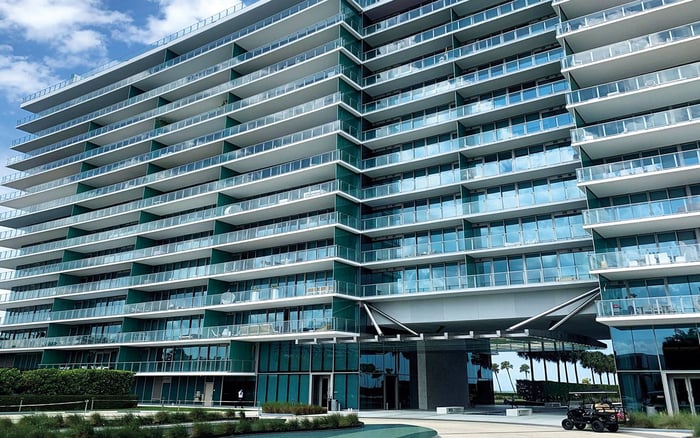
For a Key Biscayne residence left unoccupied, thoughtful ownership begins with more than a departure checklist. Humidity monitoring, professionally reviewed water controls, and documented emergency access should work together, with evacuation and delayed re-entry built into the plan.
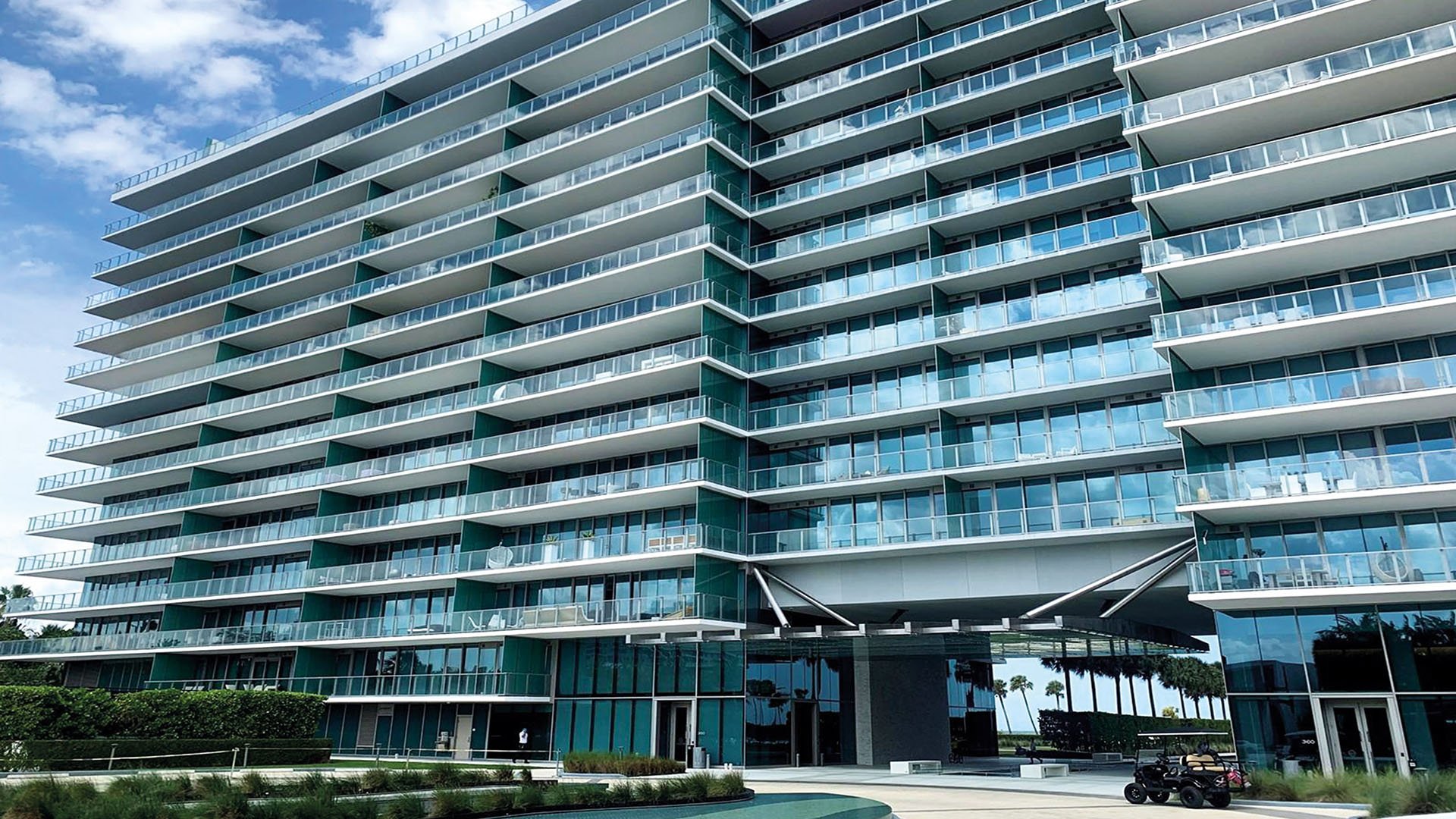
A Key Biscayne residence should suit not only the weeks its owner spends there, but also the months it stands unoccupied. Beyond the terrace and interior finishes, a quieter set of questions deserves attention: who receives a humidity alert, who can investigate a leak, and who is authorized to enter when the owner is overseas?
For a buyer considering Oceana Key Biscayne, those questions belong alongside the aesthetic brief. These are arrangements to verify for the specific residence and association, not services to assume from an address. A useful absence plan connects three elements: monitoring, an agreed response, and lawful, practical access.
The framework below is a planning proposal, not a set of municipal requirements. Installation choices, inspection frequency, access permissions, and operating settings should be established with the appropriate professionals and building management before departure.
Key Biscayne is a Special Flood Hazard Area, and the entire island is in Evacuation Zone A, the first area called to evacuate. Mandatory evacuation orders are issued by the Miami-Dade County Mayor. An owner's local representative must plan around those orders rather than promise uninterrupted attendance.
Rainfall-induced flooding is the island's most common form of flooding. Its low elevation and setting contribute to exposure, while the existing gravity-fed stormwater system faces increasing pressure from rising seas and intensifying rainstorms. Absence planning should therefore address heavy rainfall, not hurricanes alone.
Post-storm re-entry may be restricted until flooding, blocked roads, downed power lines, and other hazards have been addressed. Separate the plan into actions possible before evacuation and those that must wait for a safe, authorized return. Holding a key does not guarantee island access.
Moisture prevention addresses both liquid-water intrusion and water-vapor movement through building components. A dry leak sensor does not establish that indoor humidity is well controlled. Treat humidity monitoring as a separate task, with its own review process and escalation instructions.
Ask the residence's HVAC professional to establish operating settings and alert thresholds appropriate to the home. Rather than adopting a universal number, document what should trigger a remote review, a service call, or an authorized visit. Agree on how readings will be assessed over time, not merely checked on departure day.
Suggested monitoring locations for professional review include principal living areas, enclosed dressing rooms, and spaces containing moisture-sensitive possessions. Confirm that placement yields useful readings and leaves devices accessible for maintenance.
If the search also includes Coconut Grove, bring the same questions to Park Grove Coconut Grove. Compare documented arrangements for each residence without assuming that either property provides particular monitoring services.
Automatic water sensors and shutoff systems are recognized moisture-prevention measures. Their role in a particular residence, however, requires professional review. Ask a qualified plumber and building management what can be installed, which approvals are needed, and precisely which supply a proposed valve would control.
A sensor-placement review can begin with accessible areas near sinks, laundry equipment, dishwashers, and water heaters, where present. Include water-heater shutoffs and secondary protection in the same discussion. Placement should follow the equipment, plumbing layout, and professional assessment-not a generic shopping list.
Fire-protection connections require particular care. Residential plumbing provisions restrict valves that isolate sprinkler piping, with specific exceptions; those provisions should not be treated as a universal condominium installation rule. Have the applicable requirements and system configuration checked before selecting any shutoff arrangement.
Record who may authorize isolation, who may operate the approved control, and who confirms conditions before service is restored. The objective is a verified response sequence, not simply a device purchase.
Emergency access is a building-specific due-diligence question. Do not assume that management has unrestricted entry rights, that a private caretaker will be admitted, or that an owner's preferred key-control arrangement is acceptable. Request and clarify the applicable procedures before travel.
Prepare a securely held access file containing owner and alternate contacts, approved service providers, entry authorization, relevant equipment locations, and an escalation order. Include agreed spending limits for urgent work and instructions for documenting observations. Restrict sensitive access credentials to authorized people.
If comparing a Brickell residence such as Una Residences Brickell, seek the same clarity about entry procedures and owner responsibilities. Translate service expectations into explicit arrangements rather than assumptions about staffing or branding.
A backup contact is worth considering, but that person's authority and availability should be confirmed. Neither the primary nor the backup contact should be expected to disregard evacuation orders or enter unsafe conditions.
Several weeks before leaving, consider arranging HVAC and plumbing reviews, resolving installation permissions, and agreeing on inspection intervals suited to the residence. This is a suggested sequence, not a prescribed local timetable.
Before departure, test the communication chain with the relevant professionals. Confirm that designated recipients receive alerts, understand their meaning, and know whom to contact. Ask what happens if power or connectivity is lost and whether the chosen system distinguishes an offline device from a normal reading.
Document departure conditions, equipment settings, and any agreed water-isolation status. Share the necessary records with authorized responders. Rehearse three scenarios: a humidity alert, a water alert, and loss of contact with the monitoring system. Each should have a named decision-maker and an agreed next step.
Before expected flooding, preparation can include elevating valuable contents and keeping nearby stormwater drains clear of debris where safe and appropriate. For shared areas, clarify responsibility with management rather than assuming an individual owner should intervene.
Advance flood preparation also calls for an electrical shutdown plan. Have a qualified professional establish how and when a shutdown can be carried out safely. Never enter a flooded area to reach electrical equipment. The plan should acknowledge that monitoring and humidity-control equipment may become unavailable.
After a storm, an alert does not override re-entry restrictions. Require safe, authorized access before inspection, then document observations and obtain qualified help for affected systems. The most useful absence plan is not a promise of immediate intervention; it is a clear account of what can be done, by whom, and under which conditions.
For a discreet perspective on selecting a residence that suits extended absences, explore MILLION.
If branded residences are on your mind — as a home or as an allocation — we would be glad to share what we are seeing, privately.
Begin a quiet conversationKey Biscayne is a Special Flood Hazard Area, and rainfall-induced flooding is its most common form of flooding. An absence plan should address heavy rain as well as hurricanes.
The entire island is in Evacuation Zone A, the first area called to evacuate. Mandatory evacuation orders must take priority over property-check arrangements.
No. Re-entry may be restricted until flooding, blocked roads, downed power lines, and other hazards have been addressed.
A dry leak sensor does not establish that humidity is controlled. Plan humidity monitoring separately, with operating settings and alert thresholds reviewed by an HVAC professional.
Have an HVAC professional establish an appropriate threshold for the residence rather than adopting a universal setting. Document the response expected when that threshold is reached.
A professional placement review can begin near accessible sinks, laundry equipment, dishwashers, and water heaters, where present. Final placement should reflect the residence's plumbing and equipment.
Automatic shutoffs are recognized protective measures, but suitability and permissions require individual review. A qualified professional should confirm the controlled supply and any fire-protection connections.
Do not assume unrestricted entry rights or a particular key-control arrangement. Confirm the applicable procedures and authorizations with building management before departure.
Include authorized contacts, approved service providers, entry permissions, equipment locations, escalation instructions, and agreed spending limits. Keep access credentials restricted to authorized people.
Arrange a safe advance shutdown plan with a qualified professional. Never enter a flooded area to reach electrical equipment, and account for monitoring becoming unavailable.