A disciplined framework for evaluating Arte Surfside’s 2026 budget, reserves, insurance exposure, assessments, governance, and resale context before closing.
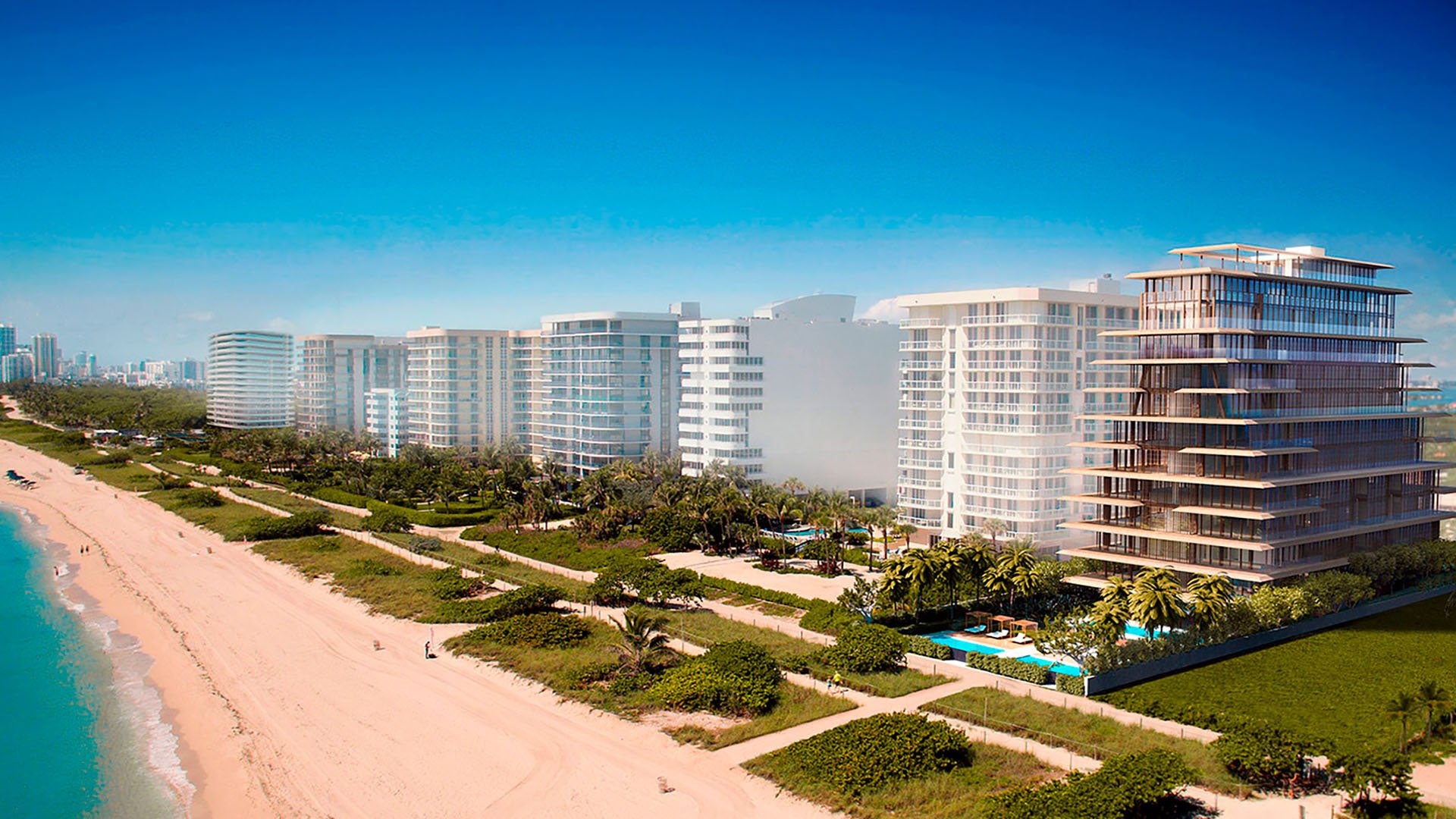
Arte Surfside is a boutique, low-density beachfront condominium at 8955 Collins Avenue in Surfside’s oceanfront corridor. Associated with Italian architect and designer Antonio Citterio, the building offers the privacy and design pedigree sought by buyers looking for a more intimate alternative to a large residential tower.
Its development history is notable. Sapir Corp. developed the property and announced an original sellout approaching $225 million in aggregate sales. Yet that figure reflects the initial development program. It does not establish the association’s financial position, current resale availability, insurance exposure, reserve sufficiency, or quality of governance in 2026.
For a buyer, the distinction is fundamental. The residence is only one component of the acquisition. The association’s obligations, decision-making culture, and capacity to fund the property over time are also integral to the asset.
Request the current annual budget, the latest year-to-date financial statements, and the prior year’s final figures. Read them together rather than treating the budget as a stand-alone forecast. The central question is whether actual spending tracks the plan and recurring expenses are represented transparently.
Review major operating categories, income assumptions, owner delinquencies if disclosed, and any meaningful variances between budgeted and actual results. Ask which costs changed from the prior period, whether contracts were renewed or replaced, and whether any nonrecurring expense has been included in the operating budget rather than treated separately.
Calculate the unit’s full ownership burden using regular assessments plus any disclosed special obligations. A polished asking price can obscure the practical effect of monthly carrying costs. A sophisticated buyer’s guide should therefore examine both the residence and the association economics supporting it.
A reserve balance is meaningful only in relation to the components it may need to fund. Request the latest reserve study or equivalent schedule, current reserve statements, funding assumptions, and records of reserve expenditures. Then reconcile the study with the budget and meeting minutes.
Look for consistency. If the minutes discuss a significant repair or replacement, determine whether it appears in the reserve schedule and whether funding has been identified. If reserves were recently used, ask what work was completed, what remains, and how the withdrawal affected future planning.
Do not infer reserve adequacy from Arte’s original sellout or past resale prices. Buyers comparing Eighty Seven Park Surfside, Fendi Château Residences Surfside, or Arte should apply the same discipline: current records matter more than brand recognition or historical headlines.
Request the association’s current insurance package, declarations, deductibles, coverage limits, renewal dates, and any owner-facing summary. Have the appropriate insurance adviser interpret how the building’s coverage interacts with the policy required for the individual residence.
Pay particular attention to deductible allocation and exclusions. The practical issue is not merely whether coverage exists, but how an uncovered loss, large deductible, or materially higher renewal cost could reach owners through operating charges or an assessment.
Next, review the history of special assessments and any assessment under discussion. Ask for its purpose, total amount, payment schedule, unit allocation, remaining balance, and treatment at closing. Check the minutes for proposals that have not yet become formal obligations. Buyers considering The Surf Club Four Seasons Surfside or The Delmore Surfside can apply the same framework while recognizing that every association has its own documents and capital profile.
Obtain recent board and owner-meeting minutes, election materials, governing documents, rules, amendments, management agreements, and available disclosures concerning disputes. The objective is not to find a record free of disagreement. It is to determine whether decisions are timely, documented, and financially coherent.
Watch for recurring agenda items, repeatedly deferred work, unclear approvals, frequent contract changes, or tension between the budget and recorded priorities. Review who can authorize spending, how bids are evaluated, and whether owners receive useful financial information. At a low-density property, decision quality can be especially consequential because substantial costs may be distributed across a comparatively limited ownership base.
Rules also affect value and use. Confirm renovation procedures, leasing restrictions, approval requirements, move protocols, insurance obligations, and any provisions relevant to the buyer’s intended ownership structure. Counsel should review the governing documents and contract deadlines rather than rely on summaries.
Arte’s market history includes a $14 million condominium resale in April 2023 and a separately identified $22.5 million lower-penthouse sale. These closings are more concrete reference points than unsold asking prices, but neither provides a direct valuation answer for a different residence in 2026.
A credible comparison adjusts for transaction date, interior size, floor, condition, exposure, and the unit’s distinctive characteristics. It should also separate closed transactions from active listings. Most importantly, market evidence and association diligence answer different questions: one informs price; the other, ownership risk and future capital demands.
Organize the review into four coordinated workstreams: financial statements and budget; reserves and planned work; insurance and assessments; and governance and use restrictions. Assign each issue to the appropriate adviser, document unresolved questions in writing, and obtain clarifications during the contractual due-diligence period.
The desired outcome is not merely a complete document folder. It is a clear view of what the association owns, owes, funds, insures, and plans-and how those decisions may affect the specific residence after closing.
What is the first document a 2026 Arte buyer should request? Begin with the current annual budget, then reconcile it with year-to-date financial statements, reserves, and meeting minutes.
Does Arte’s original sellout establish financial strength today? No. The nearly $225 million aggregate sellout figure concerns original development sales, not the association’s present finances.
How should a buyer evaluate reserves? Compare reserve balances and funding assumptions with the latest study, planned work, recent withdrawals, and board discussions.
Why do insurance deductibles matter? A large deductible or uncovered event may create owner exposure, depending on the governing documents and applicable coverage.
Should buyers review prior special assessments? Yes. Examine their purpose, amount, payment status, allocation method, and whether the related work is complete.
Can meeting minutes reveal future costs? They may identify contemplated projects, contract discussions, deferred decisions, or possible assessments before final approval.
Are the $14 million and $22.5 million sales direct comparables? Not automatically. Each must be adjusted for date, size, floor, condition, exposure, and residence type.
Why separate closed sales from asking prices? A closing records an executed transaction, while an asking price reflects a seller’s current expectation.
Which building rules deserve close review? Focus on renovations, leasing, approvals, moves, insurance responsibilities, and provisions affecting the intended ownership structure.
Who should interpret Arte’s association documents? Buyers should coordinate qualified legal, financial, insurance, and property advisers within the contract’s review period.
For a discreet conversation and a curated building-by-building shortlist, connect with MILLION.
If branded residences are on your mind — as a home or as an allocation — we would be glad to share what we are seeing, privately.
Begin a quiet conversation