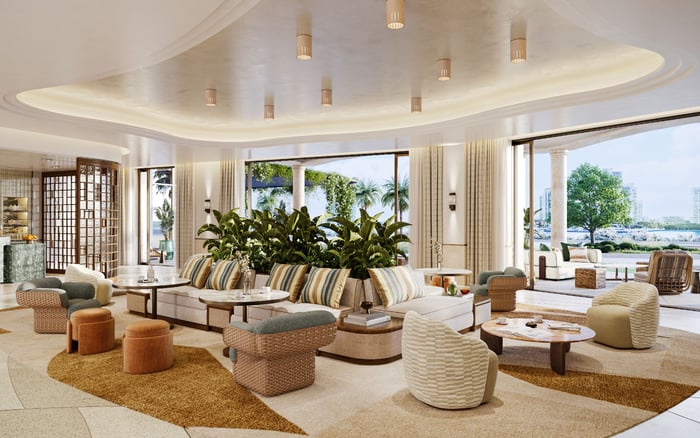
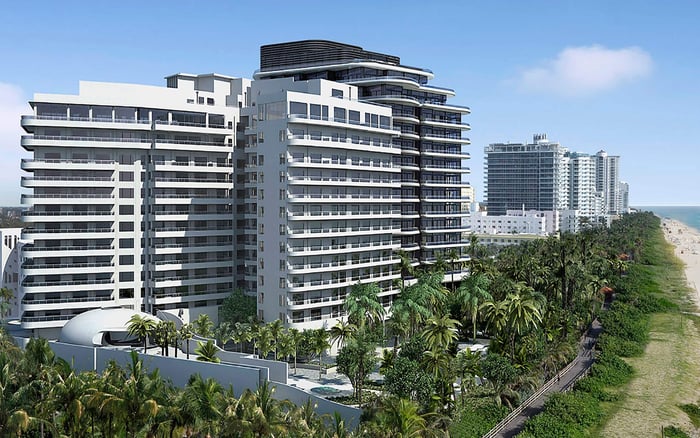
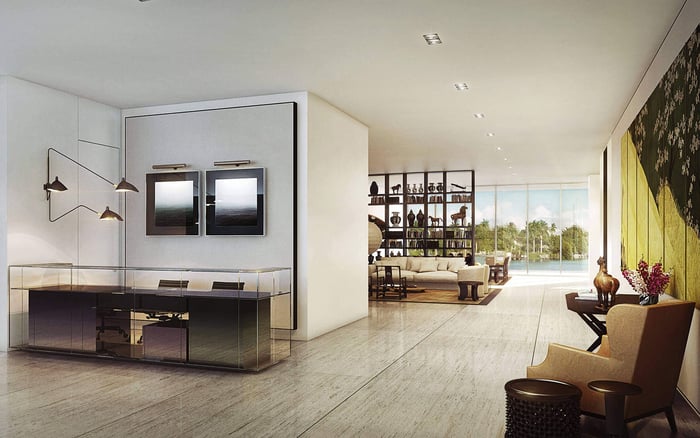
At The Setai, an interior is more than a personal expression. The choice to preserve, refresh, or replace the established design package can influence renovation complexity, periods of unavailable use, operational compatibility, and the residence's position when it returns to market.
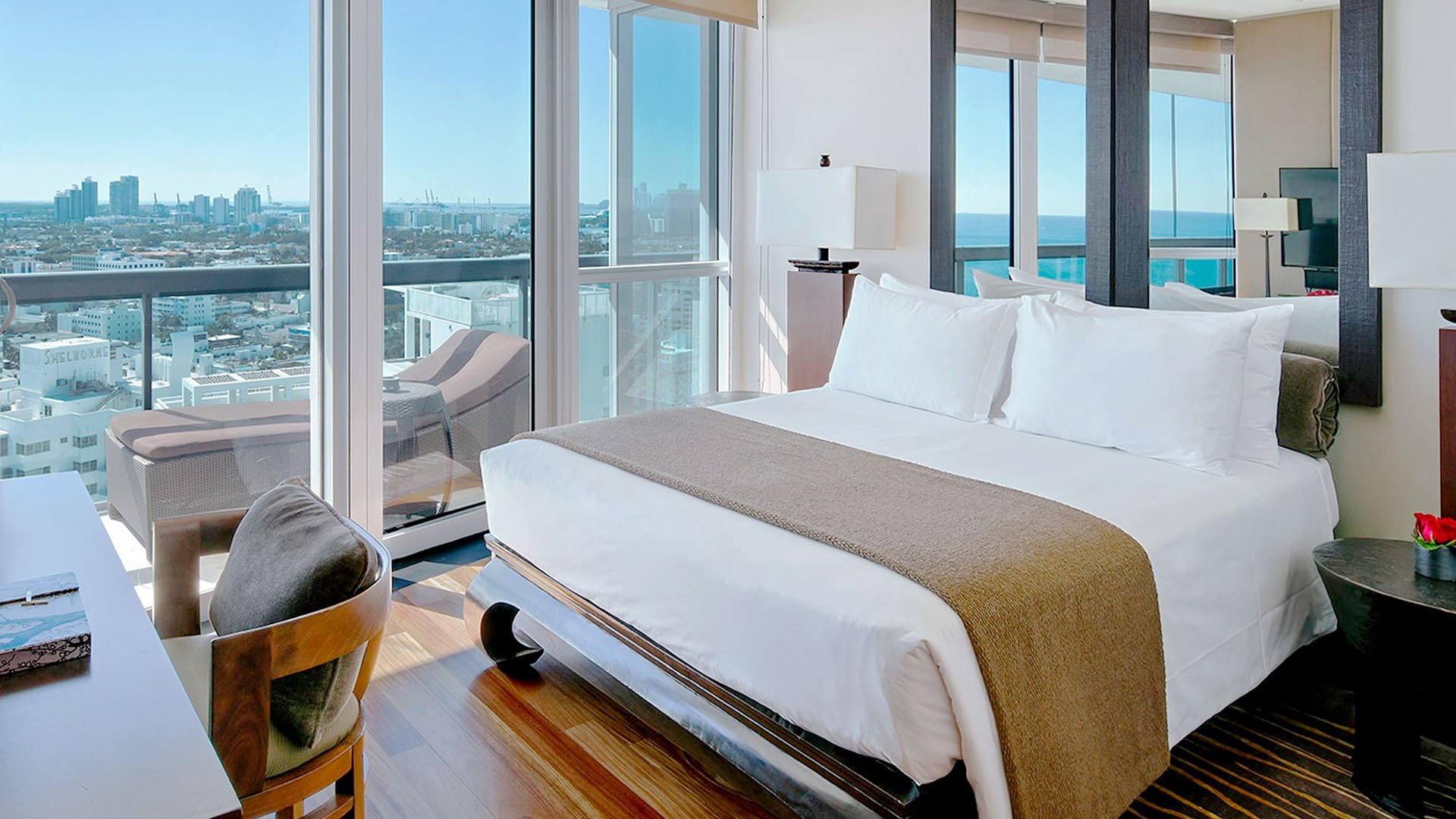
Along an oceanfront stretch of Collins Avenue in South Beach, Setai Residences Miami Beach combines a restored historic Art Deco building with a contemporary tower. Its Asian-influenced resort aesthetic-expressed through dark woods, warm stone, and subdued, spa-like tones-is integral to the property's identity.
That continuity matters because The Setai is a condo-hotel. Privately owned residences coexist with a luxury hotel operation, and homes may serve as personal retreats or potential hotel inventory. An interior decision can therefore affect far more than appearance, influencing operational fit, renovation timing, unavailable nights, and eventual marketability.
Many residences began with standardized finishes, furnishings, and decor aligned with the hotel experience. Owners generally have three options.
The first is to retain the original hotel-program package. This approach offers the greatest continuity and may suit an owner who values familiarity, turnkey presentation, and minimal intervention. Condition remains crucial, however: originality alone does not ensure that an interior will present well.
The second is a program-compatible refresh. Materials, furniture, lighting, and finishes can be renewed while preserving the visual language buyers associate with The Setai. For many owners, this is the middle path-enough change to restore polish without leaving the residence feeling disconnected from the wider property.
The third is a bespoke redesign. It offers the greatest personal freedom and may be compelling for an owner-occupier with a clear point of view. It can also demand broader coordination across design development, approvals, procurement, contractor access, and construction. The more extensive the departure, the more carefully its operational compatibility should be evaluated.
This tension between branded continuity and personal expression also shapes buyer conversations around Shore Club Private Collections Miami Beach and The Ritz-Carlton Residences® South Beach, although each property has its own requirements.
A light refresh and a full redesign carry markedly different scheduling profiles. Bespoke work may add design iterations, approval steps, custom ordering, delivery coordination, installation, and construction. Owners should consider the complete sequence, not merely the contractor's time inside the residence.
Downtime carries an opportunity cost. A home under renovation is unavailable for personal stays and may also be unavailable for rental. Long-lead selections or design revisions can extend that interruption, so an ambitious concept should be weighed against the owner's intended calendar and holding strategy.
Resale outcomes are property-specific, but design can shape the audience. A well-maintained, program-compatible residence may appeal to buyers seeking turnkey ownership, visual consistency, or continued hospitality use. It can also make comparisons with other Setai residences more direct.
A bespoke interior can distinguish a home and create strong emotional appeal, particularly among buyers who share the owner's taste. Yet a substantial departure from The Setai's established aesthetic may narrow the buyer pool. Quality of execution is essential, but so is strategic coherence: the design should feel deliberate, suit the architecture, and remain legible to a future purchaser.
Buyers considering multiple design and architecture narratives across Miami Beach may also look at Faena House Miami Beach. The relevant lesson is not that one aesthetic is universally superior, but that a residence should possess a clear identity and a credible relationship to its setting.
Before selecting a package or commissioning a custom scheme, owners should verify current condominium rules, hotel-program eligibility, permitting, insurance, and contractor-access requirements with the relevant parties. Formal approval timelines and package pricing should likewise be confirmed directly rather than assumed.
For a second-home owner, speed and ease may take priority. For an owner-occupier, personal enjoyment may justify greater customization. For an investment-minded owner, rental interruption and future liquidity may carry more weight. The strongest decision balances all three perspectives without treating any projected outcome as guaranteed.
What are the principal design choices at The Setai? Owners can retain an original package, pursue a program-compatible refresh, or undertake a bespoke redesign.
Why does hotel compatibility matter? Residences coexist with a hotel operation and may potentially function as hotel inventory, subject to current requirements.
Is retaining the original package always best for resale? No. Condition, execution, unit attributes, market conditions, and buyer preferences all influence marketability.
Can a compatible refresh improve turnkey appeal? It can preserve visual continuity while renewing finishes, furnishings, and the overall presentation.
Why can bespoke work take longer? Customization may add design, approval, procurement, delivery, contractor, and construction coordination.
How can renovation affect rental potential? A residence undergoing work may be unavailable, creating a potential interruption and opportunity cost.
Can highly personal design narrow the buyer pool? Yes. A strong departure from The Setai aesthetic may appeal intensely to fewer purchasers.
Should owners confirm hotel-program eligibility before renovating? Yes. Current eligibility and operational requirements should be verified with the relevant parties.
Which practical rules need to be checked? Confirm condominium, permitting, insurance, approval, and contractor-access requirements before work begins.
What is the central decision principle? Balance personal enjoyment with timing, operational fit, execution quality, and future positioning.
To compare the best-fit options with clarity, connect with MILLION.
If branded residences are on your mind — as a home or as an allocation — we would be glad to share what we are seeing, privately.
Begin a quiet conversation