A collector’s framework for evaluating art installations at One Park Tower: clarify building approvals, document wall and anchor conditions, confirm municipal requirements, and align vendor insurance with the exact scope of work.
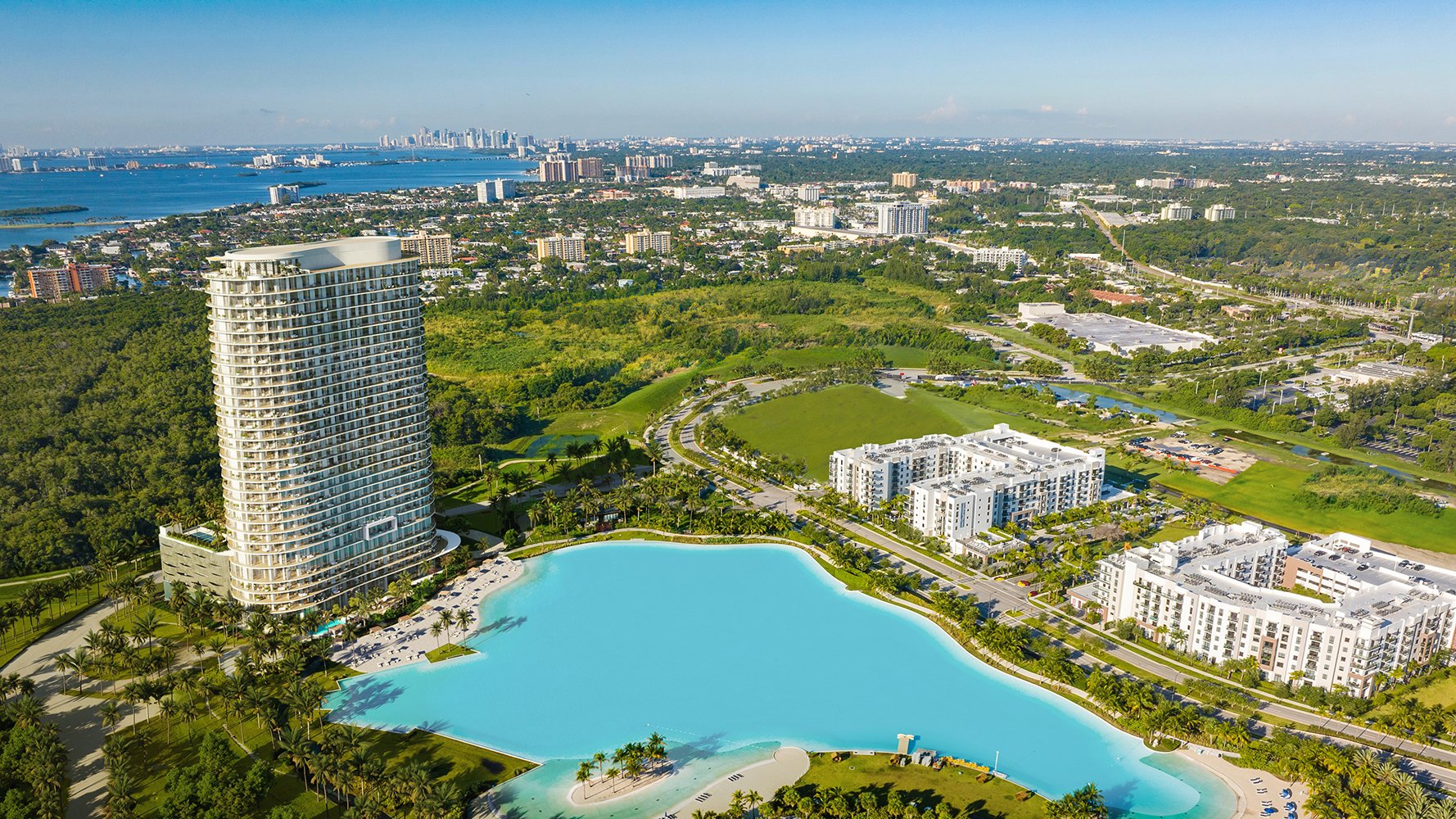
A significant artwork can shape how a residence is experienced: the sightline from the entrance, the rhythm of a living room, the balance between architecture and collection. At One Park Tower by Turnberry North Miami, buyers planning a substantial installation should treat feasibility as a diligence question, not a finishing detail deferred until delivery.
The objective is a documented path from the proposed artwork to permission, technical acceptance, and installation. Address building authorization, municipal permitting, wall suitability, and vendor insurance separately, then coordinate them around one clearly defined scope.
Do not assume a numerical wall capacity, a particular insurance minimum, or a standard artwork-approval procedure. Request current, residence-specific instructions before relying on any of those conditions. A satisfactory answer should establish what can be installed, where, by whom, and under which conditions.
Begin by requesting the declaration, bylaws, alteration policy, contractor handbook, and any artwork or drilling rules from the association or management. Ask for the written review sequence and the person or body authorized to approve the proposal. These are recommended diligence requests, not a statement that every document or review stage applies at One Park Tower.
Present a defined installation rather than a general question about hanging art. The submission should identify the artwork, dimensions, total installed weight, intended wall, mounting concept, installer, and any electrical component. Include drawings or photographs that make the proposed location unambiguous.
Ask whether the scope raises concerns involving structural elements, fire-rated assemblies, concealed utilities, or building systems. Clarify any applicable restrictions before ordering custom brackets or scheduling drilling.
For collectors also considering Turnberry Ocean Club Sunny Isles in Sunny Isles Beach, carry the same diligence questions into the comparison. Approval at one property is not evidence of approval at another. The relevant answer is the written determination for the specific residence and installation.
The useful question is not simply how much an artwork weighs, but whether the identified wall assembly and attachment design can support that installation. Request drawings identifying the substrate, reinforcement, permitted attachment points, and restrictions affecting structural or fire-rated elements.
For substantial installations, seek an engineer’s review of total weight, center of gravity, anchor arrangement, embedment, and pull-out and shear loads. Ask the reviewer to address potential effects on concealed utilities and building systems rather than evaluating the artwork in isolation.
The resulting proposal should describe the actual attachment method. A review tied to the location, hardware, and artwork provides a firmer basis for a decision than a general reassurance that the wall is suitable.
North Miami’s sign-permit requirements call for structural calculations where applicable, but they do not establish a universal allowable wall load for artwork. The wall-sign provisions address dimensions and attachment descriptions or drawings. Those details offer a useful reference checklist; they are not established requirements for every private interior artwork.
Until the proposed assembly has been evaluated, do not use a generic weight threshold as the basis for purchasing or placing a substantial piece.
Investigate the property’s permit history through North Miami’s permit-search resources and online permit portal, which provides detailed permit information. Permit-search inquiries can be directed to the Building Department at 305-895-9820. Use that history to inform questions about the proposed work, not as authorization for a new installation.
Work-specific permit checklists, application examples, and detail packets are also available. Ask which requirements apply to the actual scope: attachment work, alterations to the wall, electrical connections, or other installation components.
Several distinctions matter. Sign requirements address compliance with local land-development regulations and the Florida Building Code for structural and electrical components. They should not be treated as a blanket rule for interior art. The limited-work exemption concerns single-family dwellings; it is not a general condominium art-installation exemption.
Likewise, the mural process includes permitting and art-selection-committee review under Section 5-2102, with zoning and location restrictions. Do not assume that process governs every private interior artwork. Ask the city to classify the proposal before selecting a permit route.
Illuminated or otherwise powered artwork warrants a separate description of its electrical scope. Specify the proposed connection and any associated work so the Building Department can address the installation accurately.
For North Miami signs, electrical work must be performed by a licensed, insured contractor and may require a separate electrical permit. Those provisions make powered artwork a scope to discuss explicitly; they do not establish a universal electrical-permit requirement for every artwork.
For a buyer comparing One Park Tower with One Thousand Museum Downtown Miami, the transferable principle is disciplined documentation, not identical rules. A Downtown Miami residence requires its own building review and appropriate municipal inquiry. Keep each property’s determinations in a separate file.
Request the building’s current insurance matrix before appointing the installation team. Ask for exact certificate-holder and additional-insured names, required endorsements, and instructions applicable to each vendor and subcontractor. Have management identify which documents it expects to review and when.
Treat this as confirmation of current requirements, not an assumption about One Park Tower’s insurance limits or access policy. Do not substitute a familiar vendor’s previous certificate for a review of the documents requested for this installation.
Ask the installer and insurance representative to reconcile the paperwork with the proposed scope and participating entities. If different parties will handle transport, mounting, or electrical work, confirm the documentation expected from each. Keep the reviewed documents with the installation authorization so the scope and vendor identities remain aligned.
Before finalizing shipment, request freight-elevator dimensions and capacity, loading-area limits, reservation procedures, protection requirements, deposits, and restoration obligations. Confirm the planned route for the crated artwork and installation equipment. These are logistics to verify, not confirmed building conditions.
Seek written authorization identifying the exact artwork, location, weight, attachment method, installer, applicable permits, insurance documents, and any conditions requiring renewed approval. Ask how changes to the proposal should be handled, particularly a different mount, vendor, or location.
The final decision should rest on a coherent package: a defined installation, a technically reviewed mounting approach where warranted, a resolved permit question, accepted vendor documentation, and a workable delivery plan. That discipline preserves the pleasure of collecting while reducing uncertainty around the residence it will inhabit.
For a discreet conversation about art-conscious residential due diligence, connect with MILLION.
If branded residences are on your mind — as a home or as an allocation — we would be glad to share what we are seeing, privately.
Begin a quiet conversationRequest current governing documents, alteration policies, artwork or drilling rules, and a written approval sequence from management or the association.
No universal artwork wall-loading limit is established here. Seek an evaluation of the specific wall assembly, artwork, and attachment design.
Request review of weight, center of gravity, anchors, embedment, pull-out and shear loads, and potential effects on utilities or building systems.
Permit history can inform diligence questions, but it is not authorization for new work. Confirm requirements for the proposed installation separately.
North Miami directs permit-search inquiries to its Building Department at 305-895-9820.
No. Dimensions and attachment drawings are useful reference details, but the sign provisions are not established requirements for every interior artwork.
The published exemption concerns single-family dwellings. It should not be treated as a general condominium art-installation exemption.
A universal requirement is not established here. Describe the electrical scope to the Building Department, since sign-related electrical work may require a separate permit.
Request the current insurance matrix, exact certificate-holder and additional-insured names, required endorsements, and instructions for each vendor and subcontractor.
Seek authorization identifying the artwork, location, weight, attachment method, installer, applicable permits, insurance documents, and conditions requiring renewed approval.