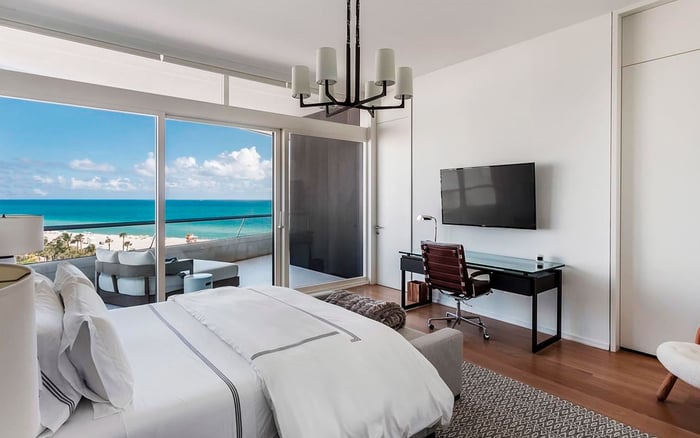
Casa Bella’s B&B Italia offering invites a more personal approach to branded living. The buyer’s task is to distinguish design direction from contractual scope, establish clear approval rights, and make room for the objects and routines that define home.
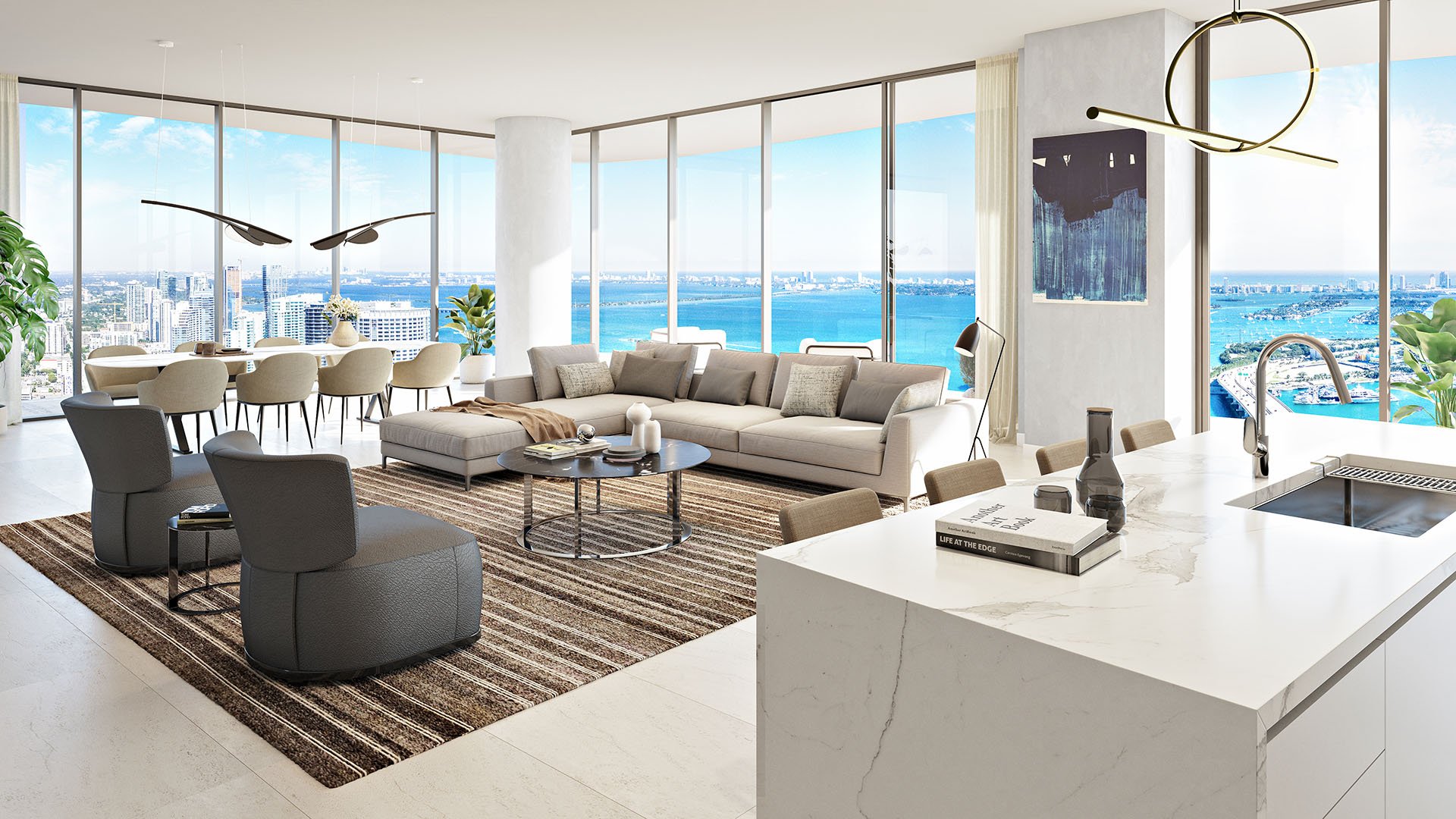
The attraction of a designer-led residence is not simply that someone else has selected the sofa. It is the possibility of a coherent home without personally managing every aesthetic decision. At Casa Bella by B&B Italia Downtown Miami, that proposition warrants a careful reading: welcome the expertise, but define where the designer’s judgment ends and your preferences begin.
In Downtown Miami’s Arts & Entertainment District, Casa Bella brings together Related Group and Alta Developers in a 57-story tower with 306 residences. Presented as B&B Italia’s first residential real-estate project, it extends the furniture brand into a broader residential setting. For a buyer, the central question is how that design identity can support a home that feels unmistakably personal.
Buy the service without surrendering authorship. That is a purchasing principle, not a promise of contractual control.
Arquitectonica is responsible for the architecture, Piero Lissoni and his studio for the interiors, and Enzo Enea for the landscape design. Those roles establish the project’s creative framework. They do not establish that every purchaser receives an unrestricted private design commission.
The residential specifications include ITALKRAFT cabinetry, Sub-Zero and Wolf appliances, and countertops and fixtures selected by Lissoni. They also identify imported porcelain flooring and walls, Italian-designed faucets, and custom primary bathrooms. These define the interior’s starting point; they are not evidence that every material can be changed.
Before discussing upholstery or occasional tables, ask for a written distinction between architectural specifications, furniture-package selections, and buyer-controlled choices. Have the team identify which elements are fixed, which allow selections, and which require separate approval. A beautiful palette is easier to assess when its boundaries are explicit.
Casa Bella’s offering emphasizes curated homes featuring selected pieces from B&B Italia collections. Custom furniture packages are presented as an opportunity to have a residence curated by the brand, with designers consulting buyers about their vision and individual aesthetic.
That is a promising basis for collaboration, not evidence of unlimited bespoke design. Nor does language describing interiors as personally customized by Piero Lissoni establish the contractual extent of his involvement with an individual purchaser. Ask who leads the consultation, who prepares the drawings, and who approves revisions.
For buyers also considering Armani Casa Sunny Isles Beach, the same question applies: what precisely is being purchased beyond the name? Evaluate each opportunity on its written scope rather than assuming that different branded offerings provide equivalent services or flexibility.
The most useful first deliverable is your own brief. Describe the rooms you enjoy inhabiting, the materials you prefer to touch, and the objects you intend to keep. Include artwork dimensions, existing furniture, storage requirements, and pieces that are non-negotiable. Photographs can help, but explain what you like about each reference rather than asking for a reproduction.
Separate preferences from requirements. A restrained palette may be a preference; room for a particular painting is a requirement. A sculptural chair may be desirable; comfortable seating for your household is essential. This distinction gives the designer room to propose alternatives without losing the brief’s purpose.
Ask that retained pieces appear in the plans from the outset. An inherited table or established art collection should not become an awkward late addition to an otherwise finished composition. Designer-led coordination is most valuable when it makes your possessions feel intentional, not when it quietly edits them out.
Casa Bella’s residential features include open-concept layouts, floor-to-ceiling glass doors, and expansive terraces. Those elements make furniture placement a practical issue as well as an aesthetic one. Request a scaled plan showing circulation, seating relationships, door access, and the dimensions of the proposed pieces.
Then walk through an ordinary day on paper. Where do you read? Where does a laptop disappear when guests arrive? Is there a comfortable place to sit that is not arranged primarily for a photograph? If you entertain, specify whether that means intimate dinners or informal gatherings rather than relying on the word alone.
For an art-focused buyer, the furniture plan should account for the intended viewing space around major works. If you are bringing a substantial wardrobe or personal collection, make storage part of the first conversation. These are briefing recommendations, not confirmed package inclusions; establish whether the team’s scope addresses them before proceeding.
A brand can provide an appealing aesthetic reference, but imagery cannot settle who controls a substitution or approves a final fabric. If your shortlist includes 888 Brickell by Dolce & Gabbana, apply the same discipline: request the relevant documents and compare the actual decision-making process. Do not presume identical customization arrangements.
At Casa Bella, ask how many proposal rounds are contemplated, whether alternatives can be requested, and what happens when a specified piece becomes unavailable. Clarify whether an outside designer may participate and whether furnishings from outside the proposed collection can be incorporated. None of those permissions should be assumed.
The objective is not to negotiate every choice into a bespoke commission. It is to understand whether the available framework suits your taste. A tightly curated service can be an excellent fit when you genuinely want its direction; it becomes less useful when you expect freedoms the agreement does not provide.
Before approving a package, request an itemized budget, scaled furniture plans, physical samples, and a delivery schedule. Have counsel clarify whether the package is included in the residence purchase, optional, or separately contracted. Ask what the quoted amount covers and which additional charges, if any, fall outside it.
Document approval rights, revision procedures, substitutions, installation responsibilities, and warranty terms. Establish who coordinates delivery and how outstanding items will be handled. These questions require written answers; the design presentation alone does not establish the terms.
The right result is neither a showroom replica nor a rejection of the brand’s expertise. It is a home whose fixed elements, selected furniture, and personal possessions make sense together. At Casa Bella, the strongest buying position begins with appreciating the design direction and knowing exactly where your own decisions belong.
For a considered approach to South Florida’s design-led residences, explore MILLION.
If branded residences are on your mind — as a home or as an allocation — we would be glad to share what we are seeing, privately.
Begin a quiet conversationCasa Bella is located in Downtown Miami’s Arts & Entertainment District.
The project is a joint venture between Related Group and Alta Developers.
Casa Bella is described as a 57-story tower containing 306 residences.
Arquitectonica is responsible for the architecture, Piero Lissoni and his studio are credited with the interiors, and Enzo Enea with the landscape design.
Project materials describe custom furniture packages and consultations with B&B Italia designers to understand buyers’ visions and individual aesthetics. Buyers should confirm the specific services and selections in their agreement.
Promotional language about personal customization does not establish the extent of Lissoni’s involvement with individual buyers. Ask who will provide the design service and obtain the scope in writing.
Package inclusion and pricing are not established here. Have counsel confirm whether the offering is included, optional, or separately contracted.
The specifications include ITALKRAFT cabinetry and Sub-Zero and Wolf appliances.
Do not assume either permission. Include retained pieces in your brief and request written clarification about outside furnishings and designer participation.
Request an itemized budget, scaled furniture plans, physical samples, and a delivery schedule. Clarify approval rights, revisions, substitutions, installation responsibilities, and warranties in writing.