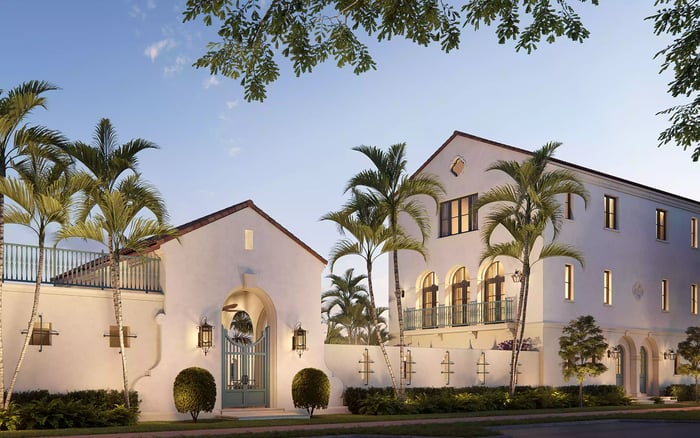
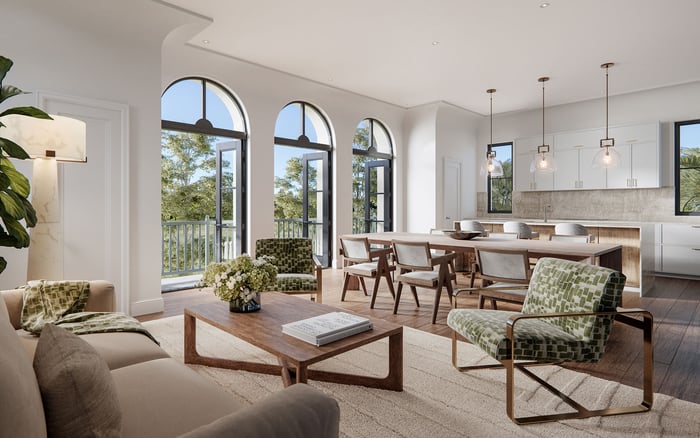
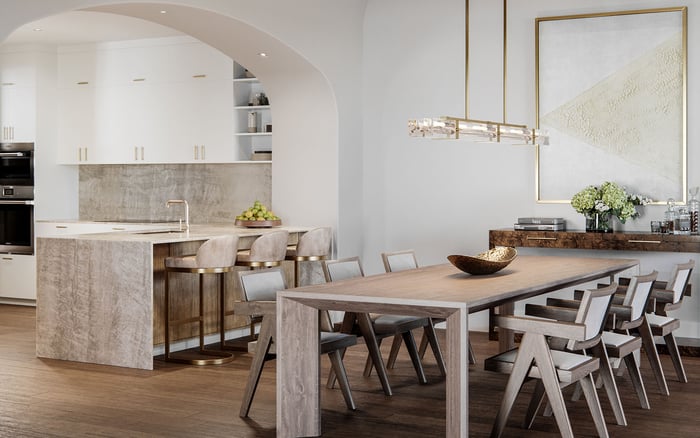
A disciplined framework for seasonal buyers comparing Coral Gables condominium lines, with close attention to glazing, solar load, wind pressure, outdoor space, backup power and post-storm access.
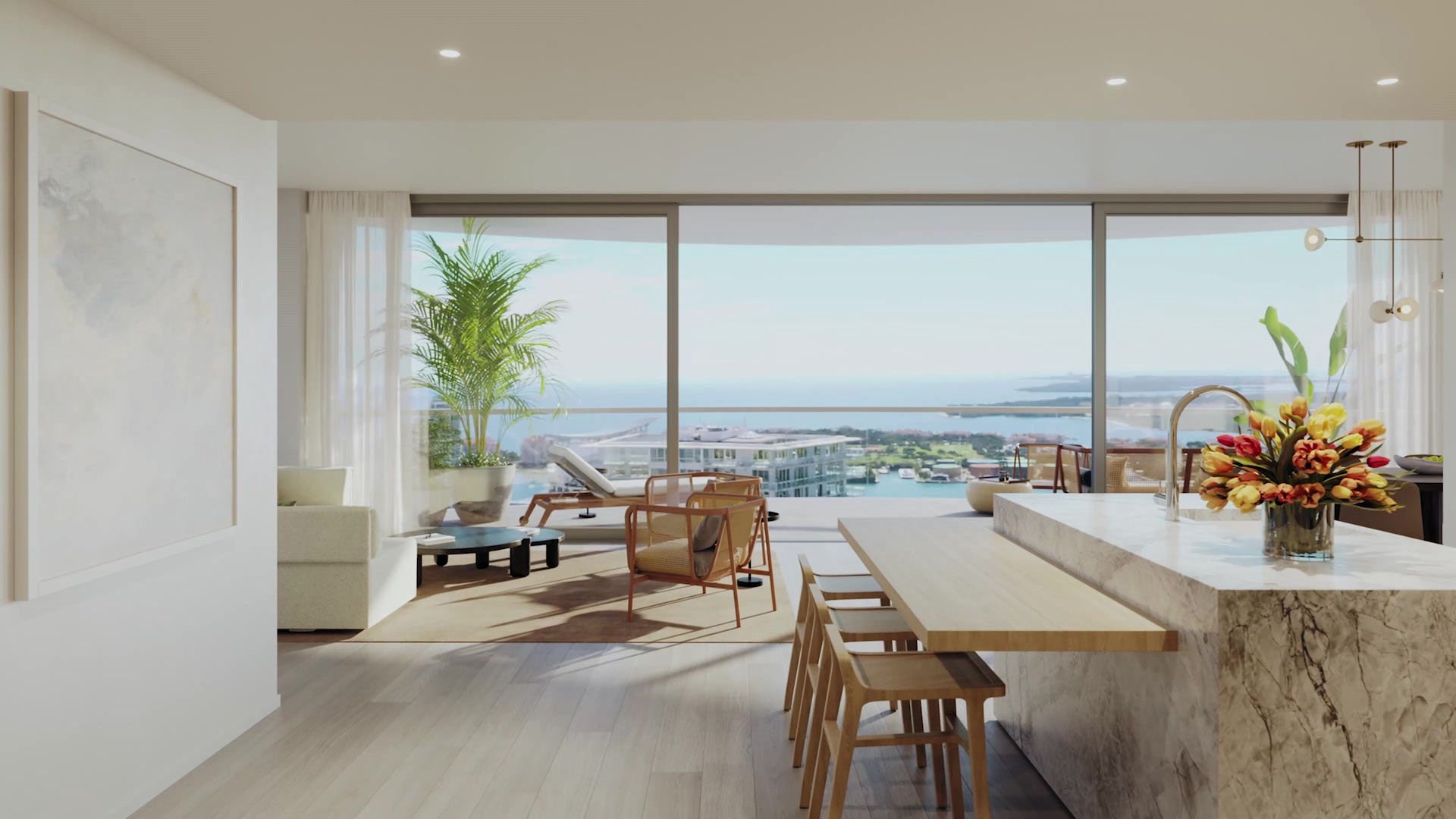
In Coral Gables, a compelling outlook is only the opening question. For a seasonal owner, line selection should also account for solar exposure, glazing area, balcony conditions and reliance on vertical transportation. Residences in the same building may offer different ownership experiences because their height, orientation, openings and position within the façade are not identical.
A disciplined comparison begins with a line-by-line matrix. Record each candidate's floor, primary exposure, corner or interior position, glass area, balcony depth, overhang and distance from the stairs. Then consider the residence in two conditions: first as an elegant fair-weather home, and again during a cooling interruption, elevator shutdown or post-storm inspection period.
This is a practical standard for a seasonal buyer. A second home should be straightforward to leave, protect and re-enter, not merely impressive during a brief showing.
The finest line is the one that remains practical when the building is not operating normally.
Compare orientation with glazing area, glass specifications, exterior shade and balcony overhangs. Request line-specific documents rather than accepting broad descriptions of efficiency or storm performance.
Visit when the principal rooms receive direct sun. Note warmth near the glass, glare across screens and artwork, and whether shades must remain closed to keep the interior comfortable. Highly glazed living rooms deserve careful review because their comfort depends on the combined performance of the glass, shading and cooling system.
When considering Ponce Park Coral Gables or another local opportunity, request the glazing schedule for the residence under consideration. Marketing imagery cannot replace information tied to the selected line and its openings.
Obtain available product documentation for the windows, entry door and balcony sliders serving the unit. Ask the appropriate professionals to compare the documented specifications with the requirements that apply to each opening.
Do not assume that a product used elsewhere in the building answers the question for the selected residence. Exposure can differ by floor, façade position and opening configuration. For completed replacements, request the related permits and final inspection records when available.
Avoid relying on a general description such as hurricane rated. The useful due-diligence file identifies the installed products, the openings they serve and the documents supporting the installation. Any uncertainty should be reviewed by qualified legal, engineering, inspection or building professionals before contractual deadlines pass.
High floors may offer expansive outlooks, while also creating a longer route when elevators are unavailable. Low floors may reduce stair burden, but they are not an automatic answer. Each choice presents a distinct operational profile that should be evaluated against the owner's mobility, household needs and tolerance for service interruptions.
For a household reviewing Cora Merrick Park, the exercise is personal. Walk the stairs from the candidate floor. Imagine the route with luggage, groceries, a pet or a guest with limited mobility. Consider how corridors, access points and service areas would function during an interruption.
Cross-check floor selection against exposure, glazing and opening documentation. A higher residence is not inherently unsuitable, nor is a lower one inherently preferable. The objective is to identify which compromises the owner can manage comfortably.
Balcony value depends on more than stated area. Measure genuinely usable depth, observe sun and wind during the visit, inspect drains and slope, and review the slider threshold. Ask about available water-intrusion records, façade work and the association's procedures for outdoor items before severe weather.
Seasonal owners should determine where furniture, planters and décor can be stored and who is authorized to move them when the owner is away. A deep terrace loses practical value if its contents cannot be handled efficiently or the building's procedures are difficult for an absentee household to follow.
Review balcony doors as part of the complete enclosure. Ask how the residence should be secured, what management expects from owners and which service providers may enter when the home is vacant. Comfort planning should focus on the documented performance of the residence and the building services expected to remain available.
Ask which elevators are expected to operate on alternate power, which floors they serve and what operating procedures the building follows during an emergency. Request available generator test records, elevator maintenance records and a written list of supported electrical loads. Do not assume that backup power provides ordinary service throughout the building or inside every residence.
Elevator availability can change before, during and after severe weather. Ask management how shutdown and restart decisions are made, who inspects the equipment and how residents receive updates. Buyers should also understand the stair route, access controls and any mobility concerns that would arise if elevator service were delayed.
The purpose is not to predict every interruption. It is to identify the building's stated plan, the systems supporting that plan and the practical effect on the selected floor.
Request the association's written hurricane and emergency procedures before the contract becomes unconditional. The materials should address balcony clearance, elevator operations, generator-supported services, absentee-owner access and management's authority to enter units during an emergency.
The supporting file may include permits, product documentation, engineering materials, glazing specifications, generator tests, elevator maintenance records, water-intrusion records, reserve materials and recent board minutes. Review the available documents together. Strong opening documentation does not resolve unclear access procedures, and alternate power does not eliminate every elevator or cooling limitation.
A buyer comparing The Village at Coral Gables with other residences should ask management the same written questions for every candidate. Consistency makes differences easier to identify and prevents polished presentations from obscuring operational gaps.
If the home will be vacant during hurricane season, put property-management authority in writing. Define responsibility for balcony clearance, leak checks, water shutoff, pre-storm access and post-storm entry. Confirm where keys are held, how management communicates and under what circumstances the association or an authorized representative may enter the unit.
The best due diligence concludes with a workable chain of command. The owner, private manager and association should each understand their role before urgent conditions arise. For seasonal ownership, that quiet preparedness is part of luxury itself: the confidence that architecture, building systems and human procedures have been considered as one living environment.
For discreet guidance in comparing Coral Gables residences, consult MILLION.
If branded residences are on your mind — as a home or as an allocation — we would be glad to share what we are seeing, privately.
Begin a quiet conversationOrientation, glazing, floor level and position within the façade can shape comfort and day-to-day operation.
Request available product documentation, permits and final inspection records for the openings serving the residence.
No. Buyers should identify the installed products and ask qualified professionals to review the supporting documents.
Compare orientation, glass area, glazing specifications, exterior shade and balcony overhangs.
No. Buyers should balance outlooks with stair access, elevator dependence, mobility needs and the selected line's exposure.
Review usable depth, sun, wind, drainage, slope, threshold details and the association's clearance procedures.
Seasonal owners need a practical place for outdoor items and an authorized person who can manage them while the residence is vacant.
Not necessarily. Request a written list of supported loads and ask how elevator and common-area services are expected to operate.
Ask which elevators may operate, which floors they serve, how shutdown and restart decisions are handled and what stair access is available.
It should assign responsibility for balcony clearance, leak checks, water shutoff, emergency access and post-storm inspection.