For buyers moving from Atherton to Coral Gables, a considered ownership plan should extend beyond closing. Define who cares for the residence during absences, who executes storm preparation, and what must be established before the household returns.
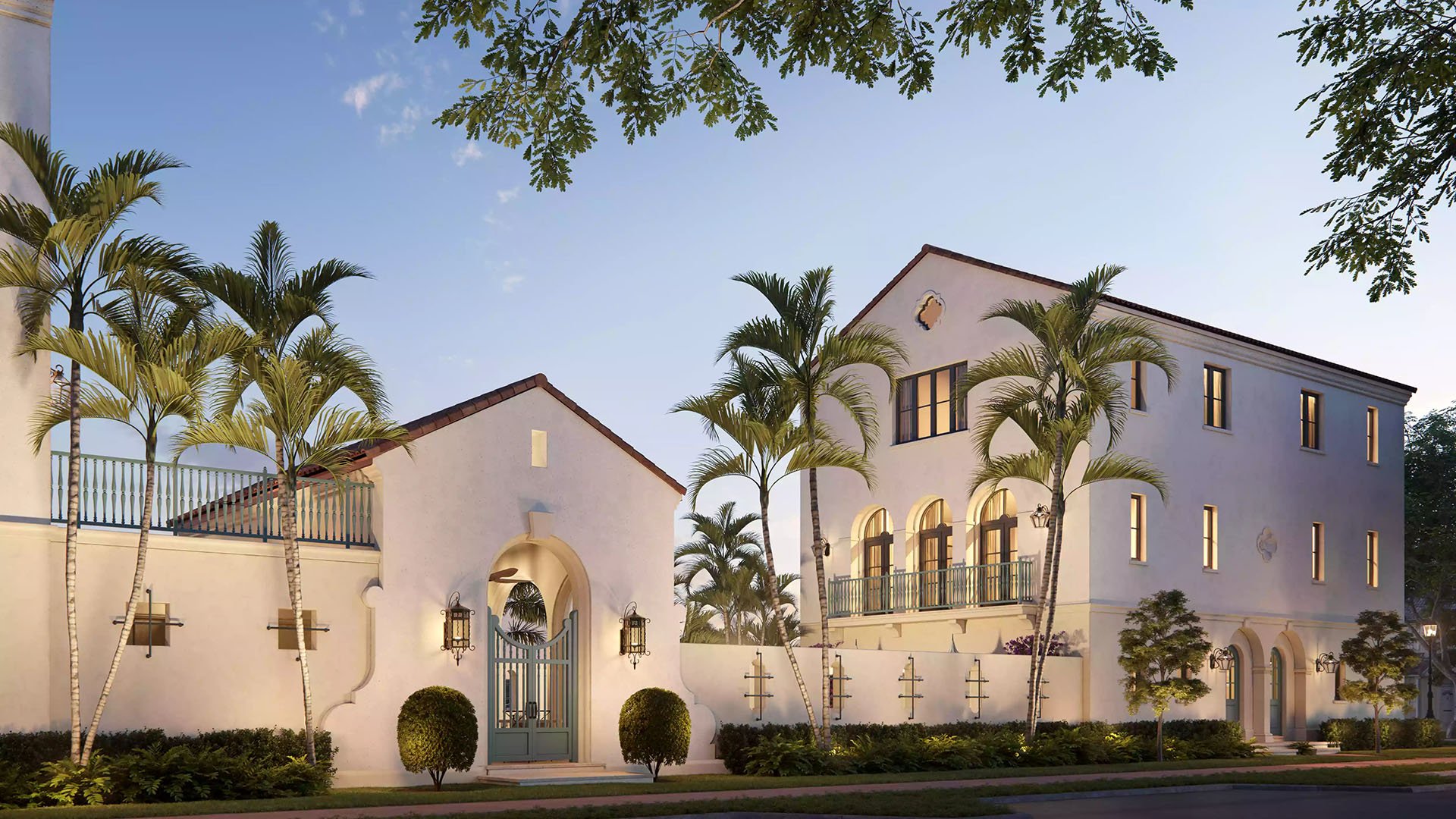
For a household leaving Atherton and choosing Coral Gables, the question is not simply which residence feels right, but who will be accountable for it when the owners are elsewhere. Architecture, privacy, and a beautifully composed interior deserve an equally considered operating plan.
This is not a comparison of the two communities’ buyers or preparedness. It is a practical brief for the next purchase: select a manager against a written scope, distinguish routine absence care from storm preparation, and establish how the household will decide when to return after severe weather.
Buyers considering Ponce Park Coral Gables should bring these questions into due diligence rather than assume the residential setting answers them. Request documents defining the responsibilities of the owner, any association, and any separately retained manager. The aim is not more administration, but fewer unresolved decisions when time matters.
Interview prospective managers about the actual residence. Ask them to walk through an ordinary inspection, a missed visit, an urgent leak notification, and a storm-preparation request. A persuasive answer identifies who acts, what they document, and what happens if the primary contact is unavailable.
Request a sample inspection record and a proposed agreement before appointing a manager. As buyer-selected contract terms, consider:
A defined visit schedule, with separate arrangements for extended absences.
Written access authority and rules for keys, credentials, and vendor entry.
Spending limits, owner approvals, and an alternate decision-maker.
Time-stamped photographs, exception notes, and confirmation that issues are resolved.
Backup staffing and clearly stated limits on emergency availability.
These are recommended negotiating points, not municipal requirements. Ask separately about insurance, relevant qualifications, subcontractors, and exclusions. Do not mistake a general management agreement for authorization to undertake specialist repairs-or a promise of immediate service after a storm.
The strongest proposal makes its commitments and boundaries equally clear.
Routine absence care should be a distinct service, not an undefined promise to check the house. Specify which spaces and systems are inspected, what constitutes an exception, and how quickly the owner should be notified. Ask candidates to price the agreed scope rather than compare fees for different tasks.
Consider a residence-specific checklist covering visible signs of water intrusion, agreed plumbing settings, interior conditions, and scheduled vendor attendance. Require equipment adjustments to follow appropriate professional guidance. A manager should know when observation is no longer sufficient and a qualified specialist is needed.
For a buyer evaluating The Village at Coral Gables, the key question is where private-residence care begins and shared responsibility ends. Obtain the answer in writing; do not assume a particular service is included.
Before each departure, leave an updated contact sheet, access instructions, approval limits, and a record of unresolved maintenance. On return, request a concise handover identifying completed work and outstanding decisions.
A written pre-emergency checklist is the foundation of storm preparation. Build it around the property’s actual openings, outdoor areas, drainage, equipment, and contents. Assign responsibility for each task and define the conditions under which work can proceed safely.
For a Coral Gables residence, discuss shutter deployment or verification, securing outdoor furniture and loose objects, checking generators and sump pumps where applicable, raising valuables, and confirming clear drainage paths. Treat these as tasks to discuss, not a universal package or a guarantee of availability.
Ask whether each task is included, separately priced, or excluded. Distinguish equipment checks from servicing and repair. Confirm preparation lead times, backup arrangements, and the unsafe conditions that would suspend visits. Require photographic completion records where practical.
Schedule regular tree trimming rather than leaving it until immediately before a storm. Include gutter and downspout debris removal in the maintenance discussion. Above all, keep household evacuation decisions separate from the manager’s property-protection duties: protecting possessions must never become a reason to delay following evacuation instructions.
Do not infer opening protection from appearance or marketing language. Obtain property-specific documentation and have a qualified professional evaluate the applicable requirements and existing installation. Requirements for proposed windows and doors do not establish that a residence’s existing openings comply.
Ask a qualified professional whether shutters or other opening-protection measures are appropriate for the residence’s documented protection system and what preparation remains necessary.
Discuss flood insurance for the property and personal possessions, including applicable coverage, limits, and exclusions, with an insurance professional. Photograph and list possessions, keeping the inventory with the policy in a safe place. Consider secure remote access to those records as an additional owner precaution.
For Cora Merrick Park, as for any purchase under consideration, request the relevant ownership and building documents rather than infer insurance responsibilities or storm services from the address. Keep responsibility for personal contents explicit.
Create a household return framework with the manager, but do not present it as a Coral Gables clearance protocol. Private checklists cannot override official access restrictions, and a manager’s photographs are not a professional determination that a damaged residence is safe.
Begin the proposed sequence with current official instructions and confirmation of whether access is permitted. Then establish whether an assessment can proceed safely. Ask the manager to document observable conditions only within their competence and identify issues requiring qualified inspection. Where electrical, structural, or other hazards are suspected, defer entry and work to the appropriate authorities and professionals.
Before arranging the household’s return, seek an update on access, utilities, observed damage, unresolved hazards, and any required specialist assessment. Keep alternate accommodation available as an owner contingency. A lack of visible damage is not conclusive clearance.
Maintain a family evacuation plan and designated meeting place, monitor changing advisories, and prepare food, water, and supplies for up to two weeks without electricity. These precautions complement property care; they do not replace evacuation instructions.
Before closing, assemble a single ownership file containing the management scope, absence checklist, storm assignments, insurance inventory, and return-decision contacts. Revisit it when household needs, vendors, or property systems change.
The objective is a residence whose care is as deliberate as its selection, with discretion supported by clear authority and documented follow-through.
For a considered approach to your Coral Gables purchase, explore MILLION.
If branded residences are on your mind — as a home or as an allocation — we would be glad to share what we are seeing, privately.
Begin a quiet conversationRequest a written scope covering visits, access authority, spending limits, documentation, escalation, and backup staffing. These are recommended contract terms, not municipal requirements.
Do not assume it does. Define and price routine inspections, storm preparation, and post-storm assessment separately in the agreement.
Discuss shutters, outdoor furniture, loose objects, drainage paths, valuables, and applicable generator or sump-pump checks. Confirm which tasks are included and who will perform them.
Agree on a residence-specific schedule with the manager rather than assume a universal interval. Define arrangements for extended absences and urgent exceptions.
No. Obtain property-specific documentation and professional evaluation; requirements for proposed windows and doors do not prove an existing installation complies.
Discuss flood insurance, coverage limits, and exclusions with an insurance professional. Photograph and list possessions, then store the inventory safely with the policy.
Plan regular tree trimming as maintenance rather than undertaking it immediately before a storm. Assign responsibility well ahead of urgent preparation.
A routine visit or photographic update is not professional safety clearance. Follow official access instructions and obtain qualified assessments where hazards are suspected.
Maintain an evacuation plan and designated meeting place, monitor advisories, and prepare supplies for up to two weeks without electricity. Supplies do not replace following evacuation instructions.
No service inclusion is asserted. Buyers should review the relevant documents and confirm the responsibilities of the owner, any association, and any separately retained manager.