A buyer-focused framework for evaluating wellness capacity, indoor air, water filtration, and reservation rules at two prominent Miami branded residences.
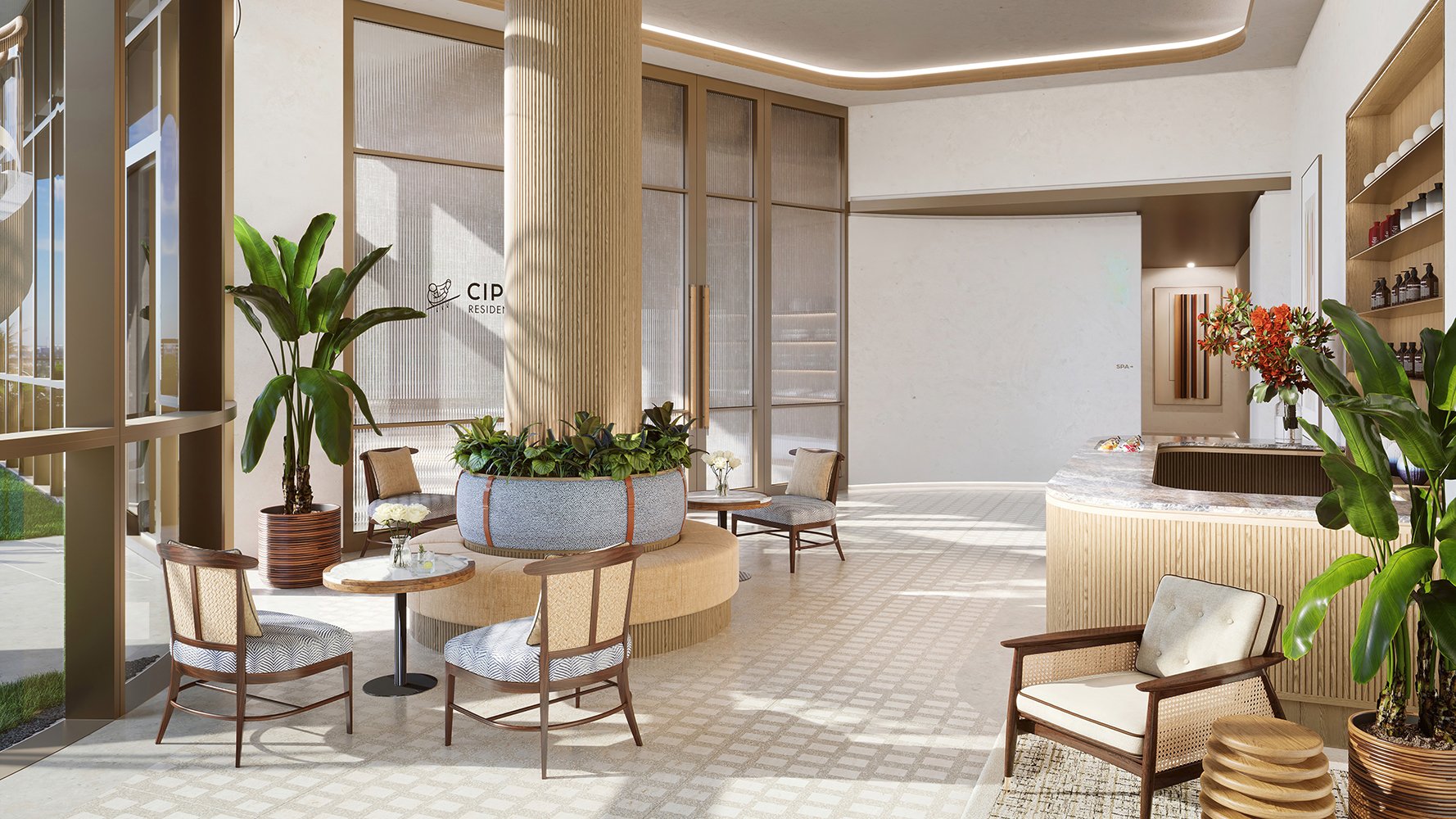
For luxury buyers, a meditation room, pool, or private treatment suite may create the initial impression. Daily satisfaction, however, depends on less visible considerations: how comfortably residents can use shared facilities, how indoor air and water are managed, and whether preferred treatments or training sessions can be secured.
That distinction matters when comparing Aston Martin Residences Downtown Miami with Cipriani Residences Brickell. A useful review should look beyond branding and presentation to examine capacity, engineering, maintenance, and access rules.
Neither residence should be evaluated on an amenity list alone. Buyers need current project documents and clear written answers before drawing conclusions about how either wellness program may perform for their household.
The true measure of wellness is how gracefully the building performs on an ordinary day.
Capacity is broader than the stated size of a gym or spa. It includes the mix of spaces, circulation between them, anticipated demand, guest access, staffing, equipment availability, operating hours, and any reservation system governing specialized areas.
A buyer comparing the two projects can begin by mapping each listed wellness space to its likely pattern of use. General fitness areas may function differently from treatment rooms, studios, pools, salons, or privately reservable spaces. The relevant question is not simply whether a space exists, but how many households may seek access at the same time and what rules manage that demand.
Written operating information should clarify whether access is first come, first served or reservation-based. Buyers should also ask whether residents and guests have different priorities, whether instructors or private trainers require approval, and whether particular facilities can close for private use or maintenance.
A broader Brickell tour may include House of Wellness Brickell and The Residences at 1428 Brickell. Those links can help buyers organize a local comparison, but every residence should be assessed through its own current specifications, governing documents, and operating materials.
A technical indoor-air review requires more than general language about comfort or wellness. Buyers should request the applicable mechanical specifications and ask about filtration, outside-air delivery, humidity control, exhaust, pressure relationships, equipment maintenance, and replacement responsibilities.
South Florida's climate makes humidity management an important subject for due diligence. The review should distinguish conditions in individual residences from those in corridors, fitness areas, treatment spaces, and other shared amenities. Different areas may have different equipment, occupancy patterns, and maintenance schedules.
Questions should be precise. What filter types are compatible with the residential system? Who replaces filters, and how often is that responsibility reviewed? How are kitchen and bathroom exhaust handled? Are there operating recommendations concerning balcony doors, thermostat settings, or owner alterations? Buyers should rely on current technical and association documents for the answers.
Any wellness-related air-quality representation should be matched to a written specification. If a statement applies only to a shared amenity or a particular piece of equipment, it should not be assumed to describe the entire building or every residence.
The presence of pools, spas, or treatment rooms does not by itself establish how domestic or drinking water is treated. Buyers should separate the subject into incoming domestic water, drinking water, bathing water, and water used in shared aquatic amenities.
The review should identify whether any treatment is centralized or installed within individual residences. It should also clarify which components require replacement, who performs the work, and whether related costs are included in regular building operations or charged separately.
Owners considering point-of-use equipment should confirm what installations are permitted. Filters, softeners, or other systems may interact with cabinetry, drains, water pressure, warranties, and maintenance access. Approval procedures and responsibility for leaks or damage should be documented before equipment is installed.
Shared pools and spas require a different line of inquiry. Buyers can request current information about testing, maintenance, closures, and resident communications without assuming that an aquatic system reflects the treatment standard for water elsewhere in the property.
Reservation policies shape how residents experience high-demand amenities and services. Important terms include booking windows, cancellation deadlines, no-show charges, guest limits, age restrictions, owner priority, service fees, and procedures for waitlists or maintenance closures.
Buyers should distinguish an included shared amenity from an optional service. A treatment, training session, salon appointment, catered event, or in-residence service may involve separate providers, pricing, gratuities, scheduling terms, or cancellation rules. Marketing language should not be treated as confirmation that a service is included in regular ownership costs.
The same discipline applies to branded hospitality. Service culture may be an important part of the buyer's decision, but the practical experience depends on staffing, hours, fulfillment procedures, and written standards. Ask who accepts reservations, who delivers each service, how disputes are handled, and whether policies may be changed by management or the association.
Where final rules are not yet available, buyers can request draft operating materials and ask when binding documents are expected. Any material representation should be confirmed in the applicable contract or governing documents rather than inferred from a rendering or general description.
For both properties, buyers should request the latest amenity rules, fee schedules, technical specifications, and maintenance responsibilities available for review. A focused checklist should cover operating hours, children and guest access, reservation lead times, cancellation charges, private-trainer permissions, treatment pricing, equipment limits, and closure procedures.
The air-quality file should address filtration, replacement responsibilities, outside-air design, exhaust, and humidity management. The water file should address domestic treatment, point-of-use options, shared aquatic maintenance, testing practices, and restrictions on owner-installed equipment.
Buyers should also identify which materials are informational and which are binding. Sales presentations, draft rules, contracts, declarations, association documents, and future operating manuals may serve different purposes. Conflicts or ambiguities should be raised with the appropriate project representatives and the buyer's professional advisers.
Location and branding remain relevant, but they should frame rather than replace operational due diligence. The strongest comparison is the one that connects each household's routine with documented access, engineering, service, and cost expectations.
For discreet guidance comparing Miami's leading wellness-focused residences, connect with MILLION.
If branded residences are on your mind — as a home or as an allocation — we would be glad to share what we are seeing, privately.
Begin a quiet conversationReview the mix of spaces, operating hours, likely demand, guest access, staffing, and reservation procedures. An amenity count alone does not establish practical availability.
Request current mechanical specifications addressing filtration, outside-air delivery, humidity control, exhaust, and maintenance responsibilities.
Humidity management can affect comfort and interior conditions. Buyers should confirm the applicable design and operating guidance in current technical documents.
Yes. Residences, corridors, fitness areas, and treatment spaces may have different equipment, use patterns, and maintenance requirements.
Review domestic, drinking, bathing, pool, and spa water separately. Confirm how each system is treated, maintained, and paid for.
Permission should be verified before installation. Buyers should review approval procedures, warranty implications, drainage needs, and maintenance access.
Review booking windows, cancellation deadlines, no-show charges, waitlists, guest limits, owner priority, and maintenance-closure procedures.
No assumption should be made without written confirmation. Buyers should verify pricing, providers, gratuities, scheduling terms, and cancellation rules.
Request the latest draft materials and ask when binding documents are expected. Material representations should be confirmed in the applicable contract or governing documents.
Request current amenity rules, fee schedules, technical specifications, maintenance obligations, booking policies, and guest-access terms.