For collectors comparing Cora Merrick Park and Ponce Park Coral Gables, the essential distinction is between art-integrated surroundings and verified support for a private collection. Lighting specifications, handling arrangements and installation permissions deserve residence-specific scrutiny.
For an art collector, a residence is both a home and a setting for objects that require considered care. The right purchase begins with the collection: what must be displayed, what may rotate, and what requires specialist handling. An artful arrival can enrich daily life without resolving those practical questions.
That distinction frames the comparison between Cora Merrick Park and Ponce Park Coral Gables. Cora has a defined, advertised art-integrated landscape concept. Neither address should be treated as offering verified private collection management or museum-grade residential lighting without specific written confirmation. The question is not which building looks more like a gallery, but which residence can accommodate the collection on terms the owner understands.
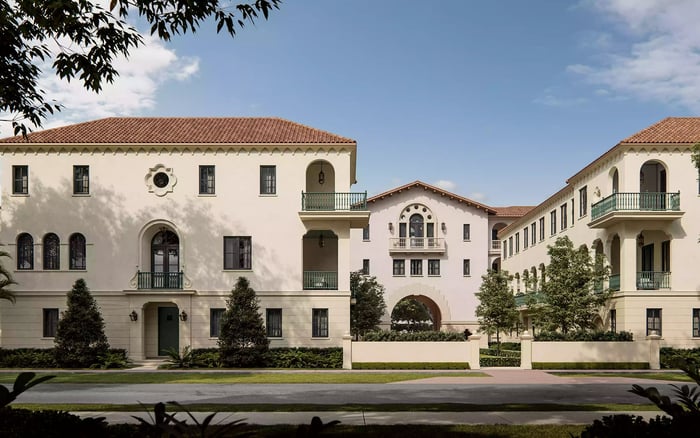
Cora is planned as a 74-residence luxury project with one- to three-bedroom homes. Arquitectonica’s contemporary Mediterranean design incorporates oolite stone and bronze accents-an architectural palette, not a technical specification for displaying art.
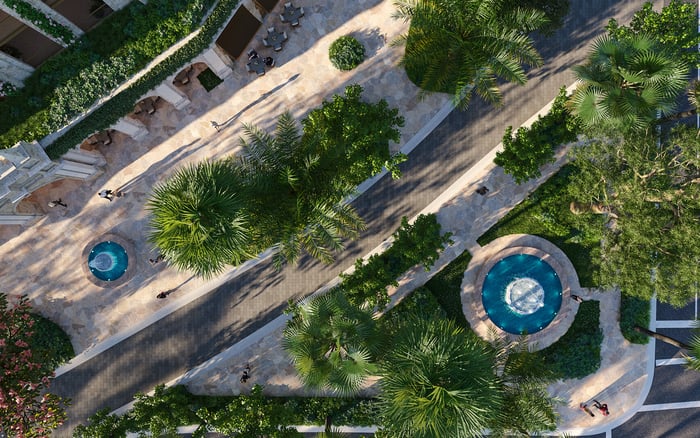
The planned 5,000-square-foot on-site park includes seating areas and a planned Jaume Plensa installation. Trees, planting, light, shade and art are part of the landscape concept. The park is also envisioned as a direct, walkable connection to the Shops at Merrick Park. For a buyer who values art in everyday surroundings, that is a meaningful proposition.
The distinction matters just as much: a planned outdoor installation does not establish conditions inside an individual residence. It does not confirm specialist art handling, dedicated storage, conservation oversight or collection insurance. Each requires a separate answer. The park and installation should also be understood as planned or advertised, not assumed complete.
A fair comparison does not turn an unconfirmed feature into an absent one. Ponce Park’s private collection services, lighting standards and resident installation permissions remain open questions until the buyer receives project-specific documentation. Cora’s advertised art setting should not stand in for superiority across those separate categories.
Ask both teams for the same information, tied to the residence under consideration. A general assurance that a home is suitable for art is less useful than a wall plan, a fixture schedule and a written installation policy.
The same discipline can extend to a broader Coral Gables search that includes The Village at Coral Gables. This is a comparison framework, not an assertion that another address provides collection services. Keep the collection’s requirements constant and evaluate each property independently.
Cora’s advertised offering includes a dedicated concierge trained in wellness and a 24/7 attended lobby. Neither service should be interpreted as an art registrar or conservation program. Specialist handling, collection-management support, insurance arrangements and dedicated art storage are not established features of the offering.
For either project, distinguish building coordination from specialist responsibility. Ask who can arrange delivery access, who may physically handle a work, and whether any collection-related service is included, separately contracted or entirely the owner’s responsibility. Request clarity on condition documentation, temporary custody and access to secure staging.
Environmental questions belong in the same conversation. Cora’s advertised services do not establish museum-conservation temperature and humidity conditions. Rather than assume residential comfort settings meet an artwork’s needs, ask a conservator to define the collection’s requirements. Then have the relevant design professionals assess whether the residence can support them.
Museum-grade lighting is not established for Cora’s residences. Color rendering, color temperature, beam angles, dimming, glare control and UV management all require confirmation. Apply the same technical inquiry to Ponce Park without presuming either a shortcoming or a capability.
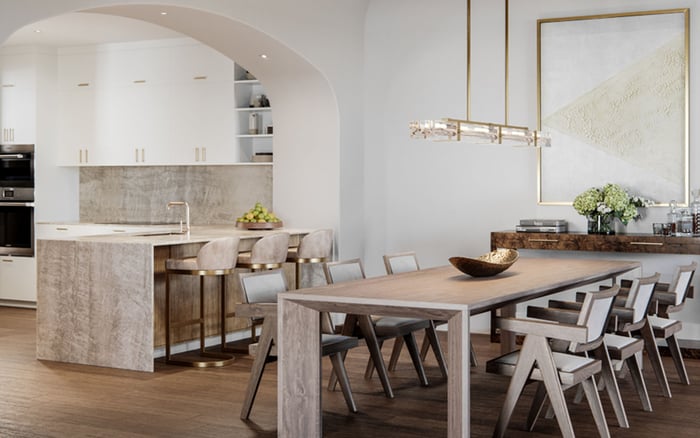
Begin with the reflected-ceiling plan, fixture schedule and lighting-control information for the specific home. Ask whether fixtures can be positioned and adjusted for the intended display walls, and whether alterations require approval. Have a lighting specialist evaluate the proposed arrangement against the works themselves rather than accepting a decorative lighting package as sufficient.
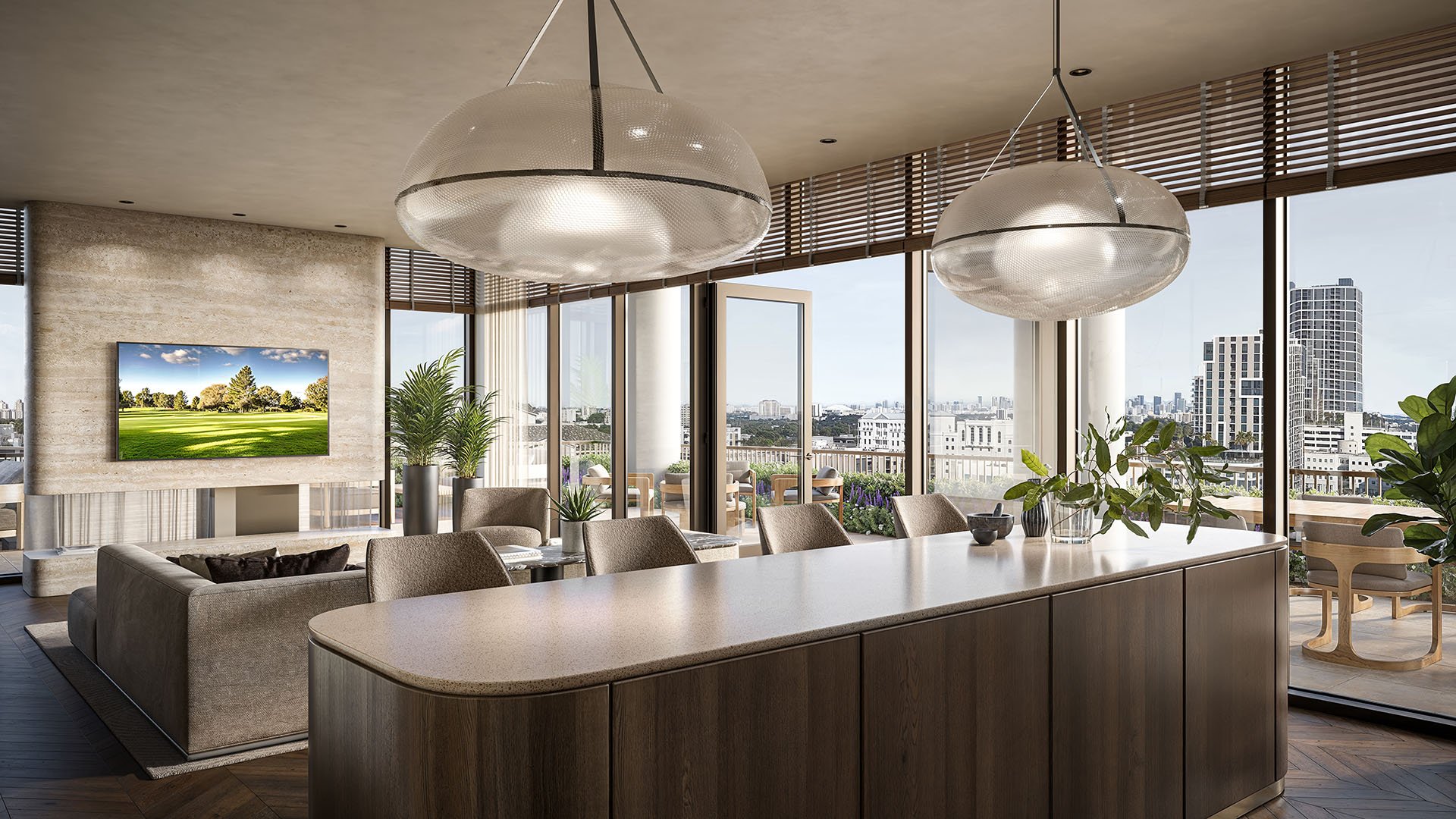
Daylight deserves equal attention. Request glazing specifications and exposure information for the intended art locations. Ask the collection’s adviser or conservator whether shading or a different placement is appropriate. The goal is not simply a dramatic evening presentation, but a display strategy that addresses the artwork’s needs throughout the day.
A generous wall is not necessarily an approved installation surface. Before planning a large painting, sculptural piece or custom lighting intervention, obtain written confirmation of wall-load capacity, backing, drilling restrictions and permitted lighting alterations. Establish whether architectural review is required and which drawings or professional documentation must accompany an application.
Keep building permissions separate from municipal jurisdiction. Coral Gables’ Historic Preservation division protects historic structures and sites, landscape elements and works of art contributing to the city’s cultural heritage. That role does not establish that either project has historic designation, nor does it mean every private interior installation follows the same approval path.
The city also has an Art in Public Places process for construction projects subject to its program. The process addresses required contributions when a developer elects to pay the program fee, while separate project-value instructions describe alternatives for seeking a waiver. Those alternatives are not automatic approvals. None of this replaces confirmation of the rules applicable to a resident’s interior work.
Before committing to a residence for a substantial collection, test the delivery plan as carefully as the display plan. Confirm crate dimensions against loading routes and elevators, including the path to the residence. Obtain reservation procedures, approved-handler requirements, insurance-certificate requirements and secure staging options in writing.
For a planned residence, ask which logistics are finalized and which still need confirmation. An appealing floor plan cannot resolve a delivery constraint. Make specialist access and installation sequencing part of the purchase discussion rather than leaving them until the collection is ready to move.
The strongest comparison records what is confirmed, what remains subject to approval and what requires an owner-appointed specialist. Keep a concise file covering lighting, environmental needs, wall support, delivery access and responsibility for handling. When a feature matters to the purchase, seek appropriate written clarification before relying on it.
Cora’s planned art-integrated setting can be valued on its own terms. Ponce Park can be evaluated with equal openness and rigor. For both, the collector’s objective is a home whose beauty is matched by a workable, documented plan for living with art.
For a discreet conversation about collection-conscious residential choices, connect with MILLION.
If branded residences are on your mind — as a home or as an allocation — we would be glad to share what we are seeing, privately.
Begin a quiet conversationCora is a planned 74-residence luxury project in Coral Gables offering one- to three-bedroom homes. Its advertised landscape includes a 5,000-square-foot park and a planned Jaume Plensa installation.
No. Art-integrated placemaking does not establish specialist handling, registrar services, conservation oversight, collection insurance or dedicated art storage.
Museum-grade residential lighting specifications are not established. Buyers should request residence-specific fixture schedules, ceiling plans, controls and glazing information.
Unconfirmed details should not be treated as evidence that services are absent. Buyers should request written confirmation of collection support, lighting specifications and installation rules.
Cora advertises a dedicated concierge trained in wellness and a 24/7 attended lobby. These do not establish a specialist art-collection service.
Review color rendering, color temperature, beam angles, dimming, glare control and UV management with a qualified specialist. Include daylight exposure and glazing specifications in that assessment.
Obtain written confirmation of wall-load capacity, backing, drilling restrictions and architectural-review requirements. Confirm permissions for any proposed lighting changes as well.
Check crate dimensions against loading routes and elevators, and confirm reservations, handler requirements and insurance certificates. Ask whether secure staging is available.
No such assumption should be made. Building permissions and applicable municipal jurisdiction should be verified separately for the proposed work.
Museum-conservation temperature and humidity conditions and dedicated art storage are not established in Cora’s advertised services. A conservator should define the collection’s needs before the residence is assessed against them.