A discreet 2026 guide for Zurich buyers weighing Miami Beach as a second home or primary residence, with lifestyle, ownership, timing, and neighborhood considerations.
For a Zurich buyer considering Miami Beach in 2026, the decision is not simply whether to buy. It is whether the property should function as a second home, a primary residence, or a flexible asset that can evolve from one role to the other.
That distinction matters. A second home is judged by ease, beauty, access, and the emotional pull of arrival. A primary residence is judged by rhythm, administrative readiness, healthcare access, schooling if relevant, household staffing, privacy, security, and the feeling of living well after the novelty has passed. The same apartment can perform brilliantly in one category and feel imperfect in the other.
Miami Beach has a particular advantage for international buyers: it can feel resort-like without being remote. Yet a buyer moving from Zurich will quickly notice that waterfront living, building culture, service expectations, climate patterns, and neighborhood tempo are not interchangeable across the island. A precise brief is essential before touring.
The most productive starting point is not a list of buildings. It is a lifestyle audit: how many months you will occupy the residence, who will use it, how often guests will stay, whether you need work-ready interiors, and how much of your Miami life should happen within the building rather than outside it.
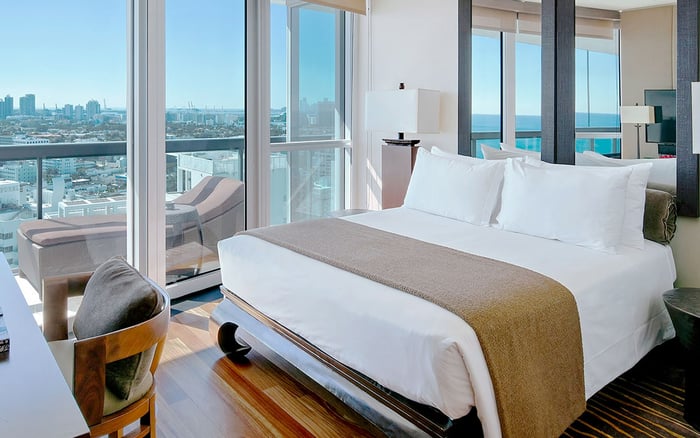
A second-home strategy rewards simplicity. The residence should be easy to open, easy to close, and pleasurable from the first hour after landing. Zurich buyers planning seasonal use often prioritize immediate atmosphere: light, views, terraces, beach proximity, wellness amenities, and a sense of privacy that does not require managing a full estate.
In Miami Beach, this often leads buyers toward oceanfront or near-ocean condominiums, where the building itself carries part of the lifestyle load. A residence such as 57 Ocean Miami Beach may enter the conversation for buyers who want the Miami Beach address to feel connected to sand, sea, and a more residential daily pace.
The second-home buyer should also be candid about friction. If the apartment will sit unused for stretches, the ownership experience depends on building management, maintenance protocols, parking convenience, package handling, guest access, and the ability to return without a long list of practical concerns. Beauty matters, but operational grace matters just as much.
Investment thinking can sit alongside pleasure, but it should not dominate the brief unless the buyer is genuinely comfortable with the compromises that may follow. A second home chosen only for theoretical liquidity can feel strangely anonymous. The best purchases tend to be those where personal use and long-term desirability reinforce each other.
Choosing Miami Beach as a primary residence requires a more disciplined lens. The question becomes less about vacation energy and more about whether the neighborhood supports the buyer’s ordinary Tuesday. Where will you walk in the morning, take calls in the afternoon, host dinner, exercise, receive guests, and retreat from the city’s social current?
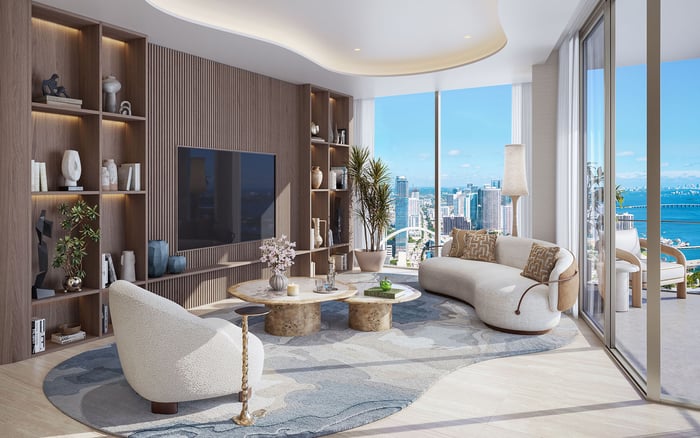
For some Zurich buyers, South Beach carries appeal because it offers proximity to restaurants, culture, marina life, and a more urban edge. For others, the preference is quieter, more architectural, and more private. Projects such as The Perigon Miami Beach and Shore Club Private Collections Miami Beach may be considered by buyers who want the Miami Beach decision to feel elevated rather than purely seasonal.
Primary-residence buyers should test the island at different times of day and different times of year. A building that feels serene during a brief visit may feel more active during peak periods. A location that appears convenient on a map may not match the buyer’s preferred routine. The due diligence is experiential as much as contractual.
This is also where waterfront preferences become highly personal. Some buyers want direct beach orientation. Others prefer bay views, sunset exposure, or a more protected sense of water. The distinction affects mood, privacy, light, and the way the residence feels after months of occupancy.
Many Zurich buyers are not choosing between holiday use and relocation in absolute terms. They are buying optionality. A residence may begin as a second home and later become a primary base, or it may remain a seasonal home while supporting longer stays as business, family, or lifestyle priorities shift.
The hybrid buyer should avoid overly narrow choices. A pied-à-terre that is perfect for ten-day visits may feel undersized for three-month stays. Conversely, a large residence designed for full-time living may be unnecessarily complex if the owner will use it only occasionally. The strongest hybrid brief usually emphasizes adaptable floor plans, guest separation, storage, privacy, and building services.
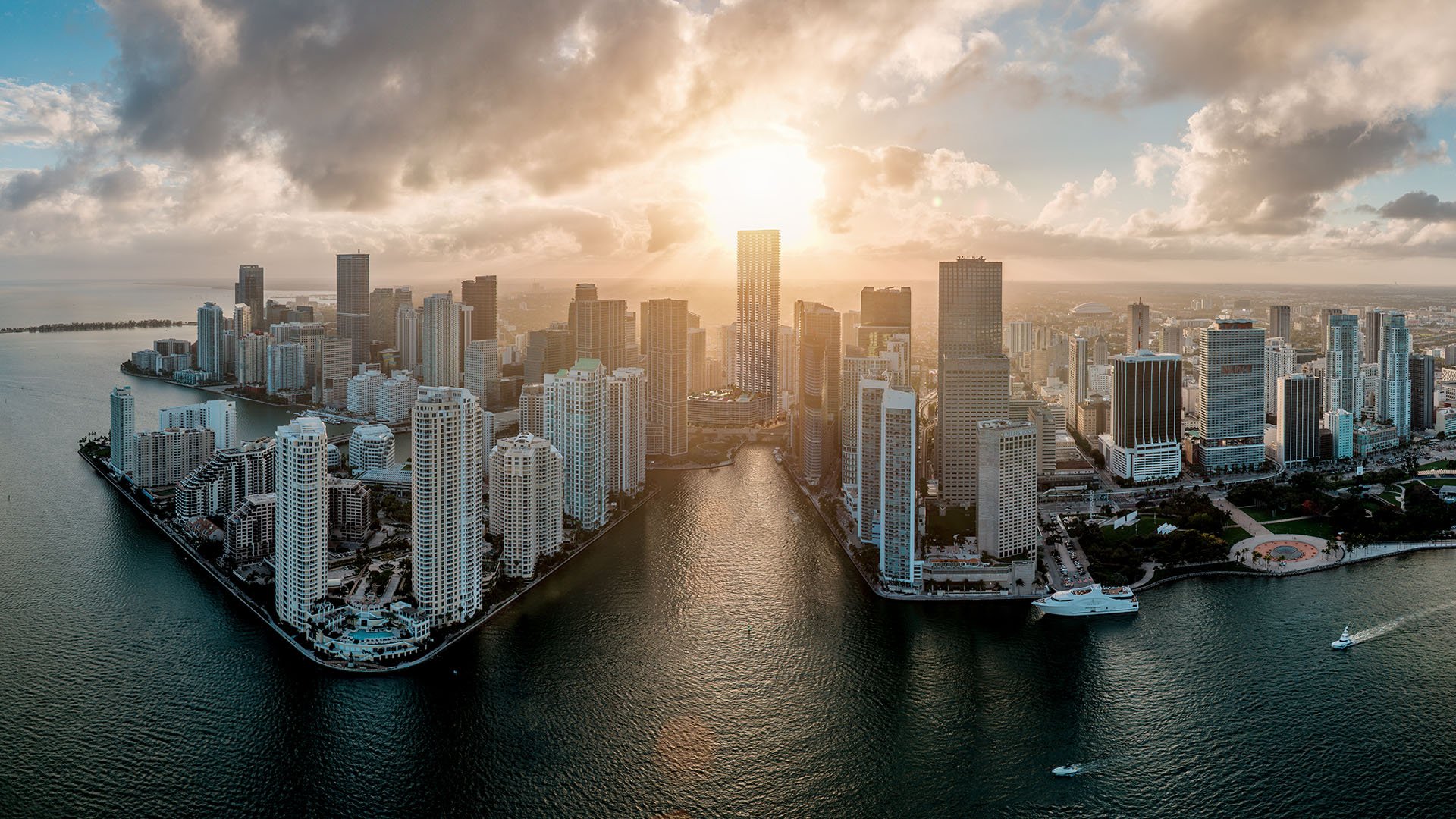
This is where Miami Beach can be compelling, but it is not the only relevant coordinate. Some Zurich buyers compare the island with Brickell when financial access, office proximity, dining, and urban convenience are central to the decision. In that context, St. Regis® Residences Brickell may serve as a useful counterpoint to a beach-led search, especially for buyers deciding whether Miami life should be coastal, urban, or split between both.
The hybrid strategy also requires careful legal and tax planning before making assumptions about residence, ownership structure, or usage. The real estate choice should be coordinated with professional advice in both jurisdictions. A beautiful acquisition should not be undermined by avoidable administrative complexity.
The first priority is clarity of use. If the home will be used in short, high-quality intervals, prioritize arrival experience, lock-and-leave ease, and immediate access to the lifestyle you came for. If the property will support full-time residence, prioritize daily comfort, neighborhood fit, privacy, health routines, and service consistency.
The second priority is building culture. Luxury in Miami Beach is not only finishes and views. It is how the property feels when staffed, occupied, maintained, and lived in. Ask how formal or relaxed the atmosphere is. Consider whether the building skews seasonal or residential. Notice whether the lobby, elevators, pool areas, and arrival sequence match your temperament.
The third priority is the resilience of personal preference. Trends change, but a buyer’s relationship with light, water, space, and privacy tends to endure. A Zurich buyer accustomed to order, discretion, and a high-quality public realm may place special value on calm circulation, thoughtful design, and a residence that does not depend on spectacle.
Finally, consider exit logic without allowing it to flatten the decision. Real estate at this level should be emotionally compelling, not impulsive. If the residence is too idiosyncratic, too dependent on a single view condition, or too misaligned with the way sophisticated international buyers live, it may be harder to reposition later.
Choose a second home if your Miami Beach life is primarily seasonal, social, restorative, and centered on ease. Choose a primary residence if your plan involves longer stays, deeper local integration, household infrastructure, and a daily routine that must work beyond the beach.
Choose a hybrid residence if you are intentionally buying time and flexibility. This may be the most elegant answer for many Zurich buyers in 2026: a home refined enough for immediate pleasure, practical enough for extended stays, and disciplined enough to remain relevant if your relationship with Miami changes.
The right answer is not universal. It depends on whether Miami Beach is a retreat from Zurich, a complement to Zurich, or the beginning of a new center of gravity.
Should a Zurich buyer choose Miami Beach as a second home first? Often, yes, if the buyer is still testing lifestyle fit. A second-home approach allows time to understand neighborhood rhythm before committing to a primary-residence plan.
When does Miami Beach make sense as a primary residence? It makes sense when daily routines, privacy needs, healthcare access, work patterns, and household logistics can be comfortably supported on the island.
Is waterfront living always the best choice in Miami Beach? Not always. Some buyers prefer direct beach orientation, while others value bay views, quieter streets, or easier access to specific parts of the city.
How should investment considerations affect the decision? Investment logic should support the lifestyle brief rather than replace it. A residence that does not suit the owner’s use can become a costly compromise.
Should Brickell be compared with Miami Beach? Yes, especially for buyers who want urban energy, business proximity, and a more vertical city lifestyle alongside or instead of coastal living.
What is the biggest mistake second-home buyers make? They sometimes focus on views and finishes while underestimating management, storage, guest access, and the ease of returning after months away.
What is the biggest mistake primary-residence buyers make? They may buy for vacation mood without testing whether the location supports ordinary weekday life, privacy, work, and wellness routines.
Can one property work for both seasonal use and relocation? Yes, but it should be selected for flexibility, not just glamour. Layout, services, privacy, and neighborhood fit become especially important.
Should Zurich buyers decide ownership structure before signing? They should seek professional guidance early. Cross-border planning can influence how the purchase is structured and managed.
Is 2026 a good year to define a Miami Beach strategy? It can be, provided the buyer approaches the search with a clear lifestyle thesis, disciplined advisory support, and patience.
For a tailored shortlist and next-step guidance, connect with MILLION.
If branded residences are on your mind — as a home or as an allocation — we would be glad to share what we are seeing, privately.
Begin a quiet conversation