A discreet look at why loading-dock privacy has become a meaningful marker of practical luxury in South Florida residential buildings, from arrivals to resale positioning.
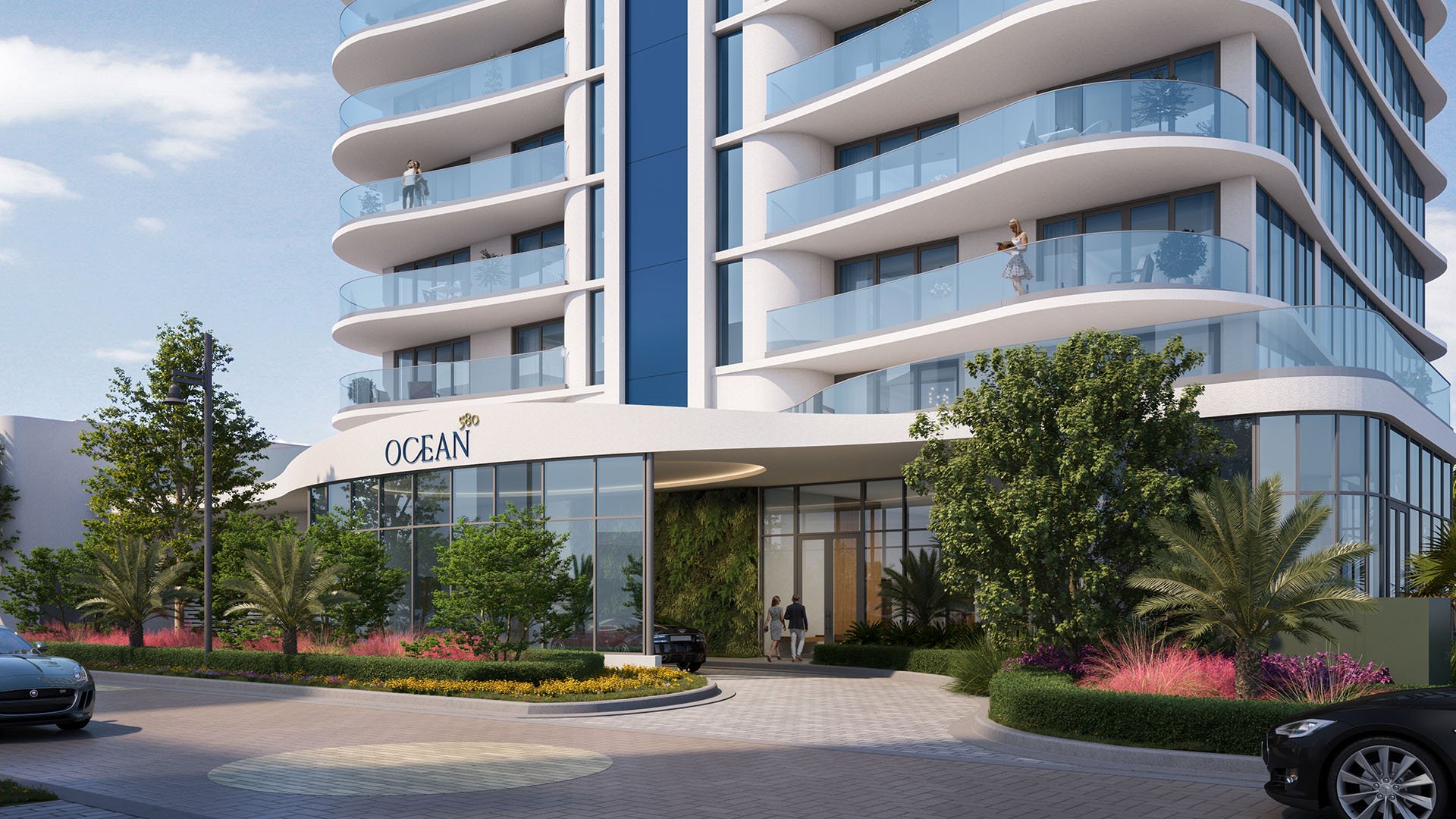
Luxury residential real estate is often judged from the front: the porte cochere, the lobby, the view, the terrace, the arrival sequence. Yet some of the most consequential privacy decisions happen behind the scenes, in the service corridors, loading areas, freight elevators, package rooms, and staff pathways that keep daily life composed. For South Florida’s high-end buyer, loading-dock privacy is no longer a minor operational detail. It is part of the architecture of discretion.
A refined home does not simply look private. It functions privately. That distinction matters in buildings where residents may receive designers, art handlers, private chefs, security teams, pet care providers, house managers, contractors, and frequent deliveries. The stronger the back-of-house design, the less the home’s daily rhythm appears in public view.
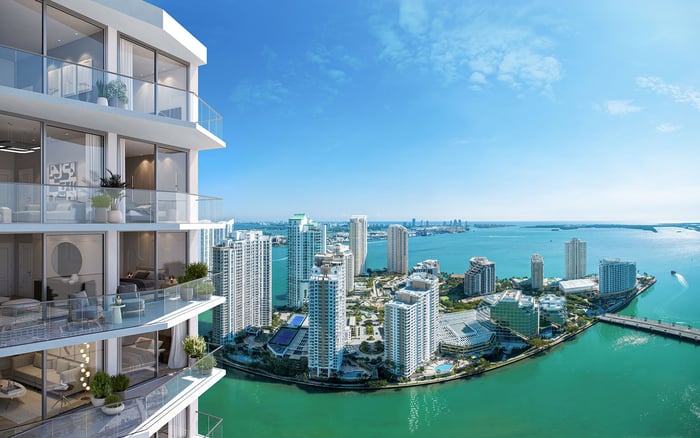
In markets such as Brickell, where residential towers sit within dense urban energy, the loading dock can become a critical filter between the building and the city. For a Penthouse owner, a collector, a seasonal resident, or a family using the property as a second base, the ability to move objects, services, and people discreetly can be as valuable as a dramatic Waterview.
The most polished residential experiences are not improvised. They are choreographed. A building that separates resident arrivals from service activity protects the tone of the property from the moment one enters. It also avoids the small collisions that make a building feel less serene: carts crossing the lobby, contractors waiting in public spaces, furniture deliveries lingering near primary entrances, or household staff navigating guest-facing areas.
This is not about hiding the work that supports a home. It is about honoring it with proper space. A well-considered loading environment gives service teams a dignified, efficient route while preserving the calm expected by residents and guests. When done well, the result is nearly invisible. That invisibility is precisely the point.
For buyers comparing New-construction offerings with established Resale properties, the question is not simply whether a building has a loading dock. The question is how the entire service journey works. Where does a delivery vehicle stop? Is there a clear path to a freight elevator? Can large items move without passing through the main lobby? Are staff and vendors processed efficiently? Does the system protect resident privacy without creating friction for those who serve the property?
Loading-dock privacy has practical consequences. Moving into a residence becomes less theatrical. Seasonal openings and closings can be handled with less visibility. Art installation, wardrobe deliveries, catering, florals, wine storage, and design work can occur without making the building feel like a stage. For owners who travel often, the building’s ability to receive and route service activity can affect how smoothly the residence operates in their absence.
This is especially relevant in South Florida, where many luxury homes are not used in one uniform way. Some owners live full time in the residence. Others arrive for the season, return for key events, or host across a limited number of weeks. A private, disciplined loading sequence helps each model feel effortless.
For staff, it also creates clarity. The best residences allow household teams to work without guessing which elevator to use, where to wait, or how to protect the owner’s presence from unnecessary exposure. Privacy is not only visual. It is procedural.
A serious buyer should ask to understand the service circulation, not merely the amenity deck. In a luxury building, the back-of-house plan can reveal how carefully the property has been conceived. A beautiful lobby matters, but so does the route no one photographs.
Start with separation. The strongest buildings distinguish among resident, guest, and service flows. Then consider capacity. A loading area should feel proportionate to the scale and lifestyle of the building. Next, study vertical movement. Freight elevators should be practical, accessible, and positioned so that service activity does not disturb the principal residential experience.
Security is another key lens. Better loading-dock privacy does not mean less oversight. It means more controlled oversight. Staff, deliveries, and vendors should be managed in a way that feels professional rather than improvised. For buyers with privacy concerns, the ideal condition is a building that can be welcoming to authorized service providers while remaining difficult to casually observe.
Finally, consider timing. Ask how moves, installations, and large deliveries are scheduled. A well-run property treats time as part of privacy. When service windows are structured intelligently, residents experience fewer interruptions and fewer accidental encounters.
The most convincing luxury buildings now treat operational areas with architectural seriousness. Materials may be more durable and less decorative than in public spaces, but the planning should still feel intentional. Lighting, sightlines, acoustics, access control, staff waiting areas, and package handling all contribute to an impression of order.
There is also an emotional component. Residents can sense when a building is straining operationally. They may not describe it as a loading-dock issue, but they feel the effect: clutter, noise, delays, crowding, or the sense that private life is too exposed. Conversely, a building with disciplined service infrastructure feels calmer because its complexity has been absorbed by the design.
For Investment-minded buyers, this can influence long-term desirability. The residences that age most gracefully are often those with strong bones, not only photogenic finishes. A private service framework is part of those bones. It supports renovations, ownership transitions, high-touch hospitality, and the evolving expectations of affluent residents.
South Florida luxury living has a particular relationship to visibility. Architecture is open to light, water, terraces, and social life. Buildings are often designed to celebrate arrival and atmosphere. Yet that openness increases the importance of well-planned privacy elsewhere.
In a waterfront tower, a resident may welcome panoramic exposure from the living room while expecting absolute discretion in the way the household is serviced. In Brickell, privacy may be about buffering the residence from urban intensity. In resort-style enclaves, it may be about allowing owners and guests to move seamlessly between leisure and household logistics. In each case, loading-dock privacy becomes part of the invisible contract between building and resident.
The highest form of luxury is not constant display. It is control over what is displayed and what remains private. A building that understands this can feel more residential, more secure, and more respectful of the lives inside it.
Buyers often ask about ceiling heights, views, parking, finishes, and amenities. Those questions matter. But a more revealing question may be: how does this building handle the life of the home when no one is entertaining?
The answer will surface in the loading dock, the freight elevator, the service entrance, the package room, the security desk, and the building’s operating culture. These details rarely drive the brochure, but they shape ownership every week. For the ultra-premium buyer, practical luxury is not an aesthetic compromise. It is the refinement that keeps beauty from being interrupted.
Why does loading-dock privacy matter in a luxury building? It protects residents from unnecessary visibility while allowing deliveries, staff, and service providers to move efficiently.
Is this only important for very large residences? No. Even compact luxury homes benefit when service activity is separated from resident and guest areas.
Should buyers inspect the loading area before purchasing? Yes. Understanding service circulation can reveal how well the building supports real daily living.
How does loading-dock privacy affect entertaining? It helps catering, florals, rentals, and staff support an event without disrupting the guest-facing experience.
Does better privacy mean less convenience for vendors? It should not. The best systems make authorized service access more efficient, not more difficult.
Is this relevant in Brickell? Yes. In dense urban settings, private service routing can create a calmer residential experience.
Can this influence Resale appeal? It can support perceived quality because sophisticated buyers notice how a building functions, not only how it looks.
What should Penthouse buyers ask specifically? They should ask how large deliveries, installations, staff access, and private elevator or freight use are managed.
Is loading-dock privacy part of New-construction due diligence? Yes. Buyers should evaluate service routes early, before focusing only on finishes and amenities.
What is the best way to shortlist comparable options for touring? Start with location fit, delivery status, and daily lifestyle priorities, then compare stacks and elevations to validate views and privacy.
For a confidential assessment and a building-by-building shortlist, connect with MILLION.
If branded residences are on your mind — as a home or as an allocation — we would be glad to share what we are seeing, privately.
Begin a quiet conversation