A buyer-focused examination of the air filtration, water treatment and wellness claims at 619 Residences and Miami Tropic Residences, with the specifications and testing worth requesting before purchase.
In a luxury residence, wellness can mean a beautifully appointed spa, carefully controlled interiors or measurable air and water quality. These are distinct propositions. A buyer should not have to infer the third from the first two.
That distinction frames the comparison between 619 Residences by Foster + Partners + Nobu Hospitality and Miami Tropic Residences. The former markets specific residential environmental systems; the latter’s publicly disclosed offering emphasizes hospitality, recreation and wellness amenities. Neither establishes a basis for ranking actual air or water quality.
For buyers, the useful question is not which presentation sounds healthier. It is which features are included in the selected residence, what performance is promised and what documentation will demonstrate delivery. A named technology begins the due-diligence process; it does not conclude it.
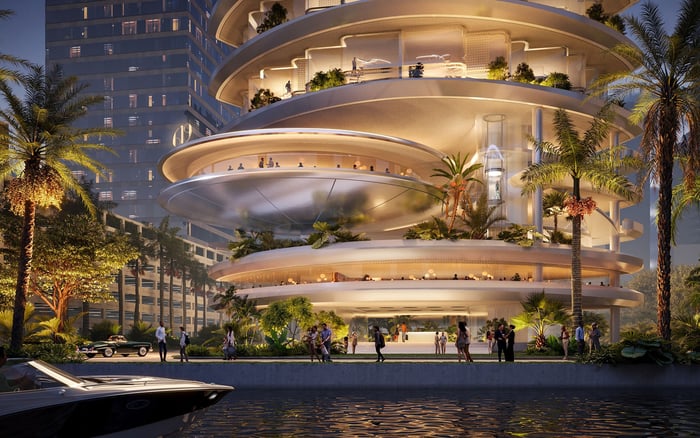
619 Brickell is a planned waterfront tower at 619 Brickell Avenue, designed by Foster + Partners with Sieger Suarez Architects, with amenities by Nobu Hospitality. Its marketed residential features include “medical-grade HEPA” air purification, smart climate and humidity controls, and a linear-diffuser air system.
Those descriptions call for a detailed mechanical specification. The equipment manufacturer, precise HEPA test standard and delivered air-change rate have not been publicly disclosed. Neither have humidity targets or commissioning results. “Medical-grade” therefore remains a marketing description, not a finding about the completed residence.
Ask for equipment models, filter standards and a plan showing which rooms receive treatment. Request outdoor-air rates, intended humidity set points and an explanation of how residents can view sensor readings. Establish who replaces filters, how often service is required and what it costs.
A complete answer would connect the proposed equipment to residence-specific design requirements and, at turnover, measured performance. A diffuser description alone cannot answer those questions.
619’S planned water features are marketed as including “ozone-enhanced” whole-home treatment. Kitchen multi-stage reverse-osmosis filtration is advertised separately; its inclusion and residence coverage require confirmation in final specifications. Buyers should not treat these descriptions as interchangeable or assume they cover the same fixtures.
Request a fixture-by-fixture treatment schedule identifying what serves the kitchen drinking-water outlet, other kitchen outlets, bathroom basins and showers. Ask whether reverse osmosis is standard in the selected residence and whether any treatment component is optional.
Treatment capacity, certified contaminant reductions, a maintenance schedule and independent post-installation results have not been publicly established. These details turn an appealing specification into something a buyer can evaluate.
For each proposed system, request the model, applicable certification and the specific reductions that certification covers. Then establish who services it, which consumables require replacement and whether ongoing costs fall to the residence owner or association. Do not interpret “whole-home” as proof of every desired contaminant reduction.
Miami Tropic Residences is a Jean-Georges-branded development at 3501 NE 1st Avenue, in the Design District/Midtown area. Its published amenities include a resort-style pool, private cabanas, gardens, a children’s pool, outdoor theater, residents’ kitchen and lounge, Jean-Georges restaurant and golf simulator. Treatment rooms, cold plunges, a salon and juice bar are also promoted.
This is a substantial lifestyle offering, but it answers a different question from residential environmental performance. Residence-wide HEPA filtration, whole-home water treatment, ozone treatment, kitchen reverse osmosis, dedicated humidity controls and low-EMF specifications have not been publicly disclosed. Nondisclosure does not establish that these features are absent.
Ask for the residential HVAC filter ratings, humidity-control design and drinking-water filtration specifications. Separately, request maintenance protocols for spa facilities and cold plunges. Keep shared-facility operations distinct from systems serving the private home: documentation for one is not evidence for the other.
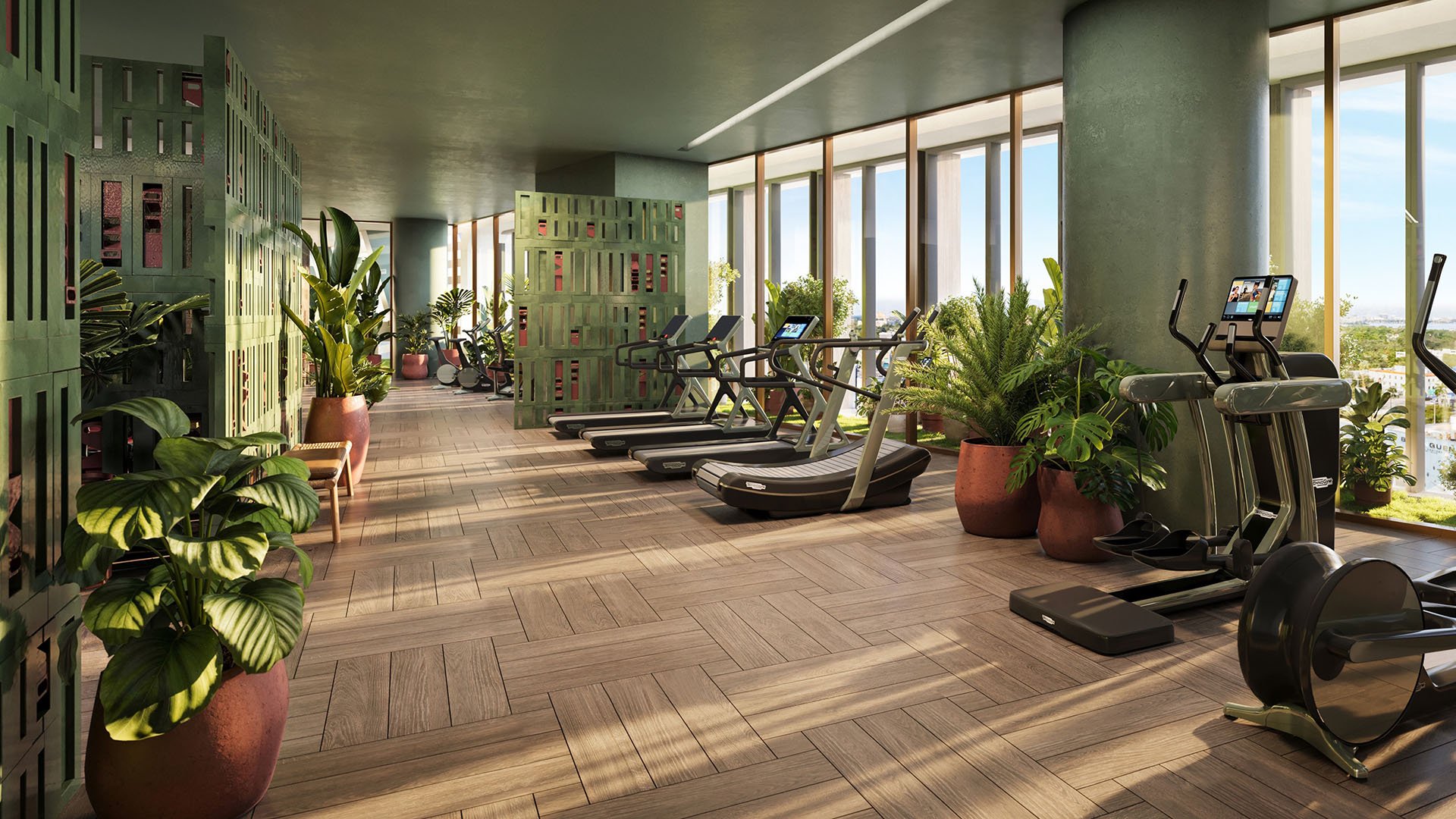
At 619, the advertised Nobu Spa and Longevity Suite includes proposed cryotherapy and hyperbaric oxygen services. Plans also include a wellness spa, elevated fitness center, rooftop garden, swimming pool, and padel and pickleball courts. These amenities may shape a buyer’s preferences, but they do not establish in-residence air or water performance.
The same discipline applies to marketed circadian lighting and a “low-EMF” interior environment. Publicly disclosed measurements do not establish their performance. Ask what each term means in the final specification, which spaces it covers and how any promised outcome will be tested. Do not translate wellness terminology into an assumed health benefit.
Buyers extending their comparison to The Residences at 1428 Brickell should bring the same questions to that separate inquiry, rather than transfer specifications from one property to another. Compare documented commitments, not the breadth of the wellness vocabulary.
A useful purchase file separates planned features, contractual commitments and completed-system evidence. Before purchase, request the final specifications for the selected residence. Have counsel review how those commitments are reflected in the agreement, including any substitution provisions.
Before turnover, request commissioning records and independent indoor-air and potable-water testing. The water-testing scope should suit the supply and plumbing, with questions addressing lead, copper, PFAS, disinfection by-products and bacteria. These are testing requests, not assertions that either project has a contamination problem.
For air systems, ask whether testing addresses the promised filtration coverage, ventilation and humidity conditions. Seek residence-specific evidence where available; do not assume a common-area result describes a private home.
Do not assume verified WELL certification for either development. If certification is represented, request the certificate, level and scope. Establish whether it concerns a completed building or a preliminary stage. Certification language should be as precise as the mechanical specification.
There is no need to discount a compelling restaurant, spa or garden because it does not prove environmental performance. These features can stand on their own merits. The discipline is to keep their lifestyle appeal separate from claims about the air residents breathe and the water they use.
For 619, the priority is substantiating specific marketed systems. For Miami Tropic, it is obtaining residential specifications beyond the disclosed amenity offering. In both cases, ask who maintains the equipment, how residents access results and what happens if promised performance is not achieved.
The useful comparison is not a wellness ranking. It is a clear account of what is promised, how it will be verified and who remains responsible after delivery.
For a discreet conversation about your South Florida residential shortlist, connect with MILLION.
If branded residences are on your mind — as a home or as an allocation — we would be glad to share what we are seeing, privately.
Begin a quiet conversationIts planned features include marketed “medical-grade HEPA” purification, but publicly disclosed information does not establish independently verified performance. Request equipment models, the precise filter standard and commissioning results.
Ask for humidity targets, residence coverage, sensor access and commissioning results. Smart climate and humidity controls are marketed, but their set points are not publicly specified in the available disclosures.
No. They are separately described planned features, and buyers should request a fixture-by-fixture schedule showing which treatment serves each outlet.
Kitchen multi-stage reverse osmosis is advertised separately, but inclusion and residence coverage require confirmation in final specifications. Buyers should obtain written confirmation for their selected residence.
Its publicly disclosed materials do not specify residence-wide HEPA filtration. That does not establish its absence, so buyers should request the residential HVAC specification.
Published offerings include pools, gardens and private cabanas. Additional promotional descriptions include a spa and wellness center with treatment rooms and cold plunges, plus a salon and juice bar.
The disclosed information does not support ranking actual air or water quality. 619 markets specific residential systems, while Miami Tropic emphasizes amenities without establishing measurable residential treatment performance.
Request independent potable-water testing appropriate to the supply and plumbing, addressing lead, copper, PFAS, disinfection by-products and bacteria. This is a due-diligence request, not evidence of contamination at either property.
Verified WELL certification is not established by the available information. If certification is represented, request its certificate, level, scope and whether it applies to a completed building or a preliminary stage.
No health benefit is established by those descriptions alone. At 619, buyers should distinguish marketed interior features and proposed longevity services from measured performance and substantiated outcomes.