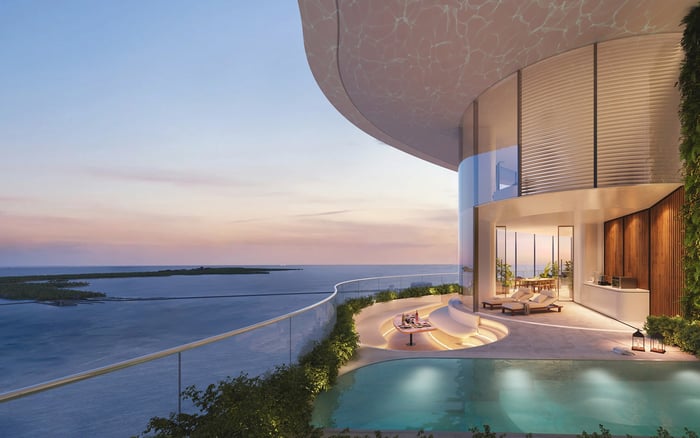
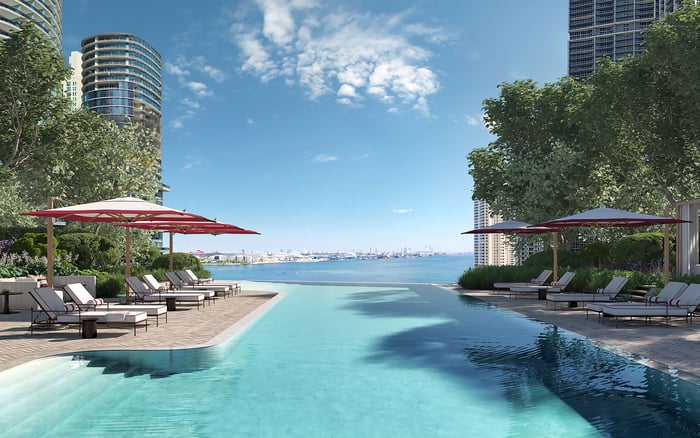
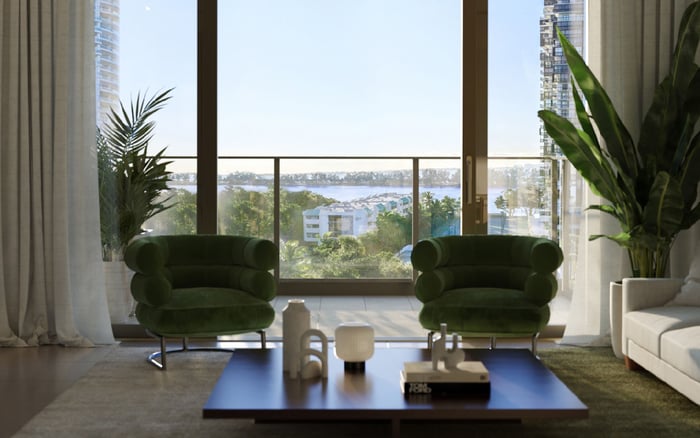
At 619 Brickell, Nobu’s clearest planned operational role is food and beverage. For buyers, the distinction between branded hospitality, proposed amenities, and condominium management is essential to understanding the residential proposition.
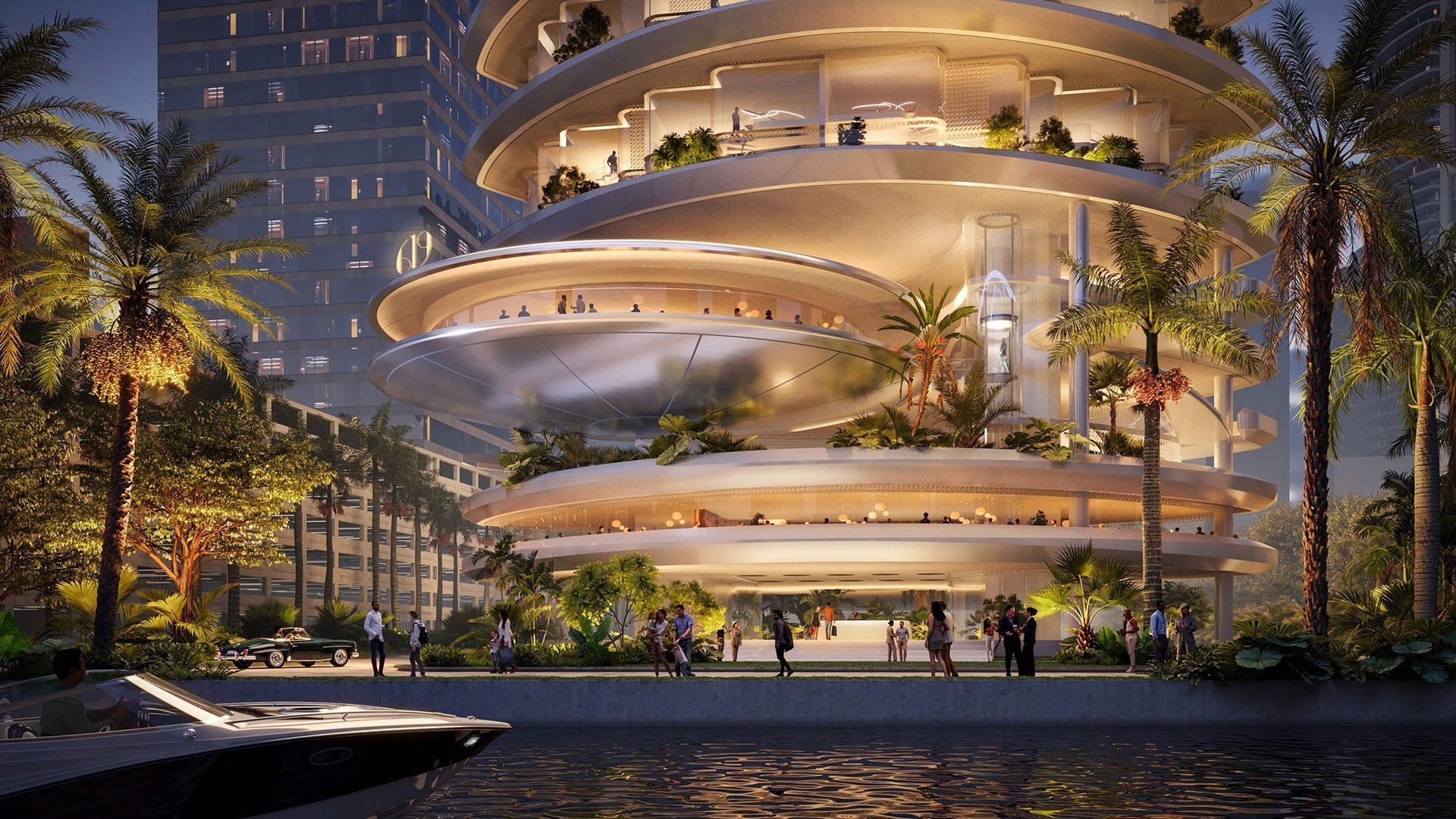
At 619 Residences by Foster + Partners + Nobu Hospitality, the important question is not simply whose name appears on the building, but what that name is expected to deliver once an owner arrives home. Nobu Hospitality’s clearest planned operational role is food and beverage, placing dining and service at the center of the proposed residential experience.
That distinction matters. A restaurant brand’s participation can shape daily life through meals delivered upstairs, private entertaining, and poolside service. It does not, on its own, establish responsibility for every aspect of condominium operations. The appeal is a planned hospitality relationship with practical benefits-not grounds to assume comprehensive Nobu management.
For a buyer, the task is to separate three elements: the architecture, the promised lifestyle, and the enforceable services. Each deserves its own assessment.
The proposed waterfront tower at 619 Brickell Avenue combines Foster + Partners’ architectural vision with Nobu Hospitality’s hospitality component. Developed by 13th Floor Investments and Key International, it is planned at approximately 75 stories on Biscayne Bay.
These roles are complementary, not interchangeable. Foster + Partners leads the architectural vision; Nobu’s expected food-and-beverage involvement concerns how residents might use and experience the property. Neither role establishes that Nobu will manage the condominium as a whole.
For buyers also considering Cipriani Residences Brickell, the useful comparison is contractual rather than simply aesthetic: which entity provides each service, what the owner receives, and which obligations extend beyond launch marketing. A shared place on a shortlist does not make two service arrangements equivalent.
The planned dining program includes a waterfront Nobu restaurant and Nobu Café. The proposed residential offering adds in-residence dining, private chef services, and poolside service. A separate resident-only restaurant is also planned for the 11th floor.
Together, these proposals suggest several ways the brand could become part of everyday residential life. A meal at home, an evening with guests, or lunch beside the pool could involve Nobu service without a conventional restaurant visit. For owners who entertain frequently, that potential convenience matters more than the name alone.
The distinction between venues remains important. A waterfront restaurant and a resident-only dining room serve different purposes, and neither description settles booking rights, guest policies, or pricing. Buyers should verify whether residents receive priority, whether minimum spending applies, and whether private chef services require separate arrangements. These are questions for the current documents, not benefits to assume.
The development’s proposed amenity program spans more than 90,000 square feet indoors and out. Proposed outdoor spaces include three resort-style pools, private cabanas, landscaped terraces, and lounge areas. Planned resident services include 24-hour concierge and lifestyle management.
The broader program also includes resident lounges, event and meeting rooms, coworking areas, and a screening room. These spaces could support a day that moves between work, recreation, and entertaining without leaving the property. Their practical value will depend on access, capacity, staffing, and rules of use.
Buyers weighing ORA by Casa Tua Brickell alongside 619 should apply the same discipline to both: distinguish proposed spaces from services contractually available to an owner. A long amenity list is a starting point for evaluation, not a substitute for operational detail.
The proposed program includes a two-story Nobu Wellness Center and Spa, with sauna, hammam, steam-room, meditation, yoga, Pilates, and recovery facilities. It also includes longevity services and physical therapy. Proposed fitness and recreation facilities include a fitness center, spinning, and F1, golf, and ski simulators.
These remain proposed offerings, not operating services. Wellness branding does not establish who will deliver a treatment, which services will be included, or whether particular facilities will require appointments or additional charges.
For an owner expecting to use the wellness facilities regularly, the relevant questions are precise: who operates each component, what hours apply, and what is funded through recurring assessments rather than individual purchases? The answers will reveal whether the program suits a daily routine or is better understood as an occasional convenience.
Nobu’s expected food-and-beverage role should not be read as evidence that it controls security, building maintenance, association administration, or every wellness service. The broader proposed lifestyle does not establish comprehensive Nobu management.
A buyer considering St. Regis® Residences Brickell as another option should compare the actual allocation of responsibilities rather than infer equivalence from hospitality names. At 619, essential due diligence includes the duration of the Nobu agreement, renewal and termination provisions, service standards, and any consequences if the relationship changes.
Costs require the same attention. The available information does not establish recurring ownership expenses, guaranteed restaurant reservation priority, or a resale premium attributable to Nobu. Brand appeal may inform personal preference, but it is not evidence of an investment outcome.
Launch-stage pricing ranged from approximately $3 million to more than $60 million. Those figures do not represent verified current availability or closed-sale prices. More than $1 billion in unit reservations was identified around the sales launch, but reservations should not be treated as completed sales.
The stated residential count is 306, though counts differ. Buyers should confirm the final count in the current condominium documents rather than base expectations on a single launch figure.
An anticipated 2031 opening is a projection, not a guarantee. Restaurant access, service inclusions, mandatory and optional fees, and final delivery obligations likewise warrant confirmation before a purchaser turns a proposed lifestyle into a financial commitment.
The strongest interpretation of Nobu’s role at 619 is also the most measured: a planned food-and-beverage operation that could make hospitality part of everyday ownership, supported by a substantial proposed amenity program. Architecture, dining, and wellness offer distinct reasons to consider the property, but their value depends on execution and documented access.
For the discerning buyer, the question is whether the services they expect to use are clearly defined, appropriately priced, and durable enough to support their intended way of living.
Explore South Florida’s residential possibilities with MILLION.
If branded residences are on your mind — as a home or as an allocation — we would be glad to share what we are seeing, privately.
Begin a quiet conversationNobu Hospitality is expected to provide food-and-beverage services. The broader proposed amenity program does not establish that Nobu will manage the entire condominium.
Foster + Partners leads the architectural vision, while Nobu Hospitality contributes the hospitality component.
The proposed tower is planned for 619 Brickell Avenue on Biscayne Bay in Miami’s Brickell district.
13th Floor Investments and Key International are developing the proposed approximately 75-story tower.
Plans include a waterfront Nobu restaurant, Nobu Café, and a separate resident-only restaurant on the 11th floor. Access rules and reservation benefits should be confirmed.
The proposed program includes in-residence dining and private chef services, alongside poolside service. Inclusions, charges, and availability require confirmation.
Plans include a two-story Nobu Wellness Center and Spa with thermal, movement, and recovery facilities. Longevity services and physical therapy are also proposed offerings.
The stated residential count is 306, though counts differ. The final count should be confirmed in current condominium documents.
Launch-stage pricing ranged from approximately $3 million to more than $60 million, with an anticipated 2031 opening. Neither current availability nor delivery timing is guaranteed by those figures.
Buyers should verify the agreement’s duration, operator responsibilities, access rights, and mandatory or optional fees. The available information does not establish a brand-driven resale premium.