Coconut Grove and Fort Lauderdale both trade on water access, but they deliver it differently: the Grove feels intimate and village-like, while Fort Lauderdale leans into big-water energy, events, and an easy on-off rhythm for visitors. For second-home buyers, downsizers, and primary residents who want lifestyle as much as real estate, the decision often comes down to how you want to spend an ordinary Tuesday: strolling a compact retail core, or cruising a city built around waterways.
Luxury buyers rarely choose a neighborhood for a single, headline amenity. They choose it for the repeatable details: where you walk for coffee, what the waterfront feels like at dusk, how easily friends can drop in for a weekend, and whether the area still works when you are not “going out.” In South Florida, that day-to-day rhythm often matters more than any marketing narrative.
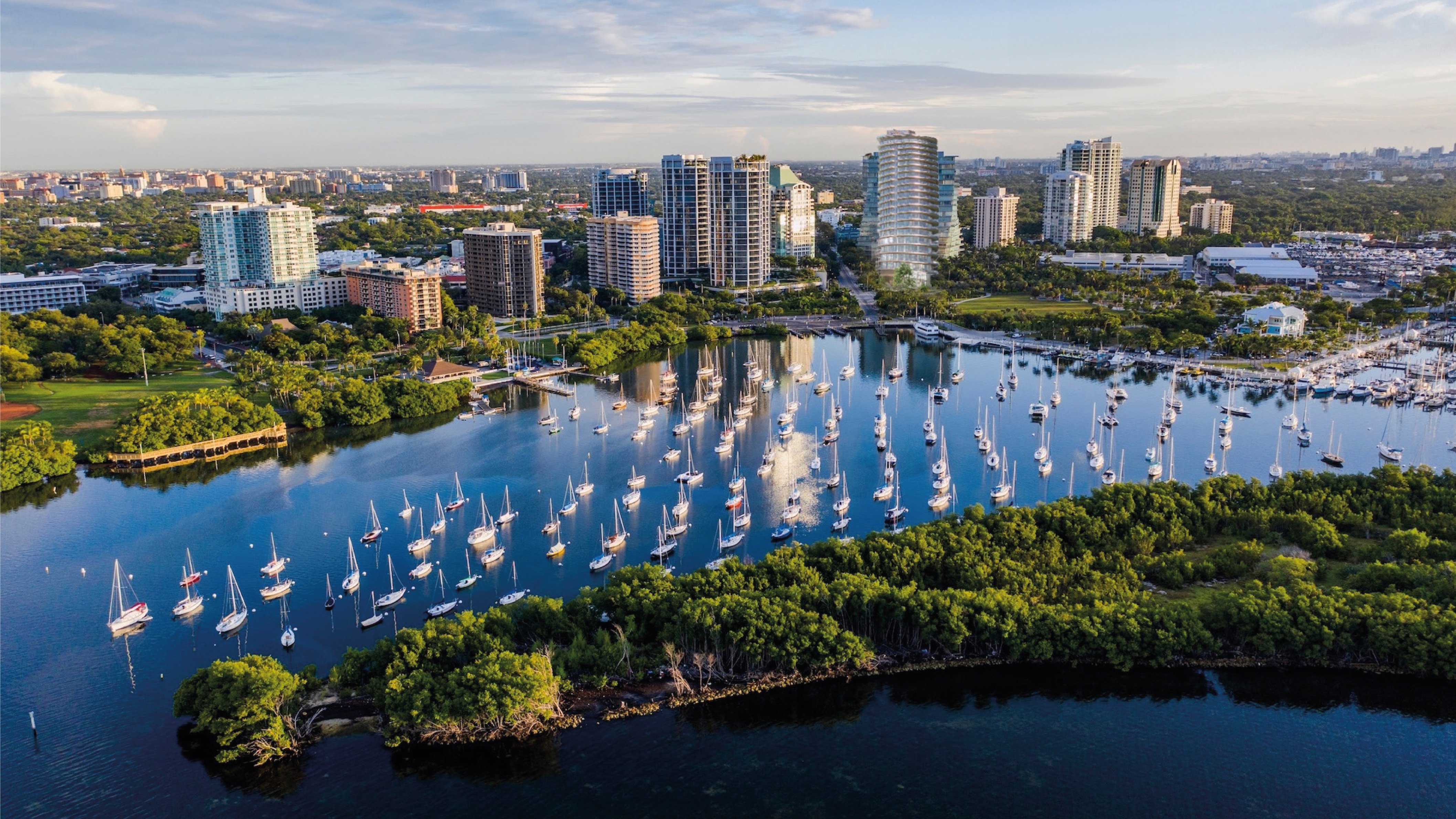
Coconut Grove (Coconut-grove) and Fort Lauderdale (Fort-lauderdale) are both shaped by water, yet they express it differently. The Grove is widely known for a laid-back vibe anchored by outdoor cafés, boutiques, and sailing and boating access on Biscayne Bay. Fort Lauderdale, by contrast, is closely associated with a boating-first identity that has earned it the “Venice of America” reputation. For buyers who already know they want the South Florida waterfront, these two locations can represent two distinct versions of luxury living.
Coconut Grove’s strongest argument is how naturally it supports a walkable, everyday life. The neighborhood’s core feels composed rather than sprawling. It is social, but it rarely feels like it is performing for visitors.
A key anchor is CocoWalk, positioned as an open-air shopping and dining destination with a curated mix of retailers and restaurants. Its placement inside the Grove’s walkable fabric reinforces what many buyers value here: you can keep life local, step out for dinner without over-planning, and still return to a neighborhood that feels residential.
On the water, the Grove’s relationship to Biscayne Bay is part culture and part habit. “Water access” here can mean sailing and boating, or it can simply mean living close enough to the bay that it becomes a backdrop to a weekday routine. For buyers who prefer understatement, the Grove often reads as a place that rewards consistency over spectacle.
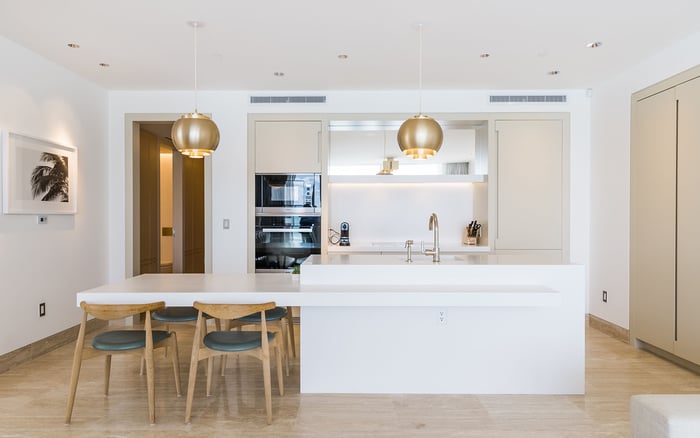
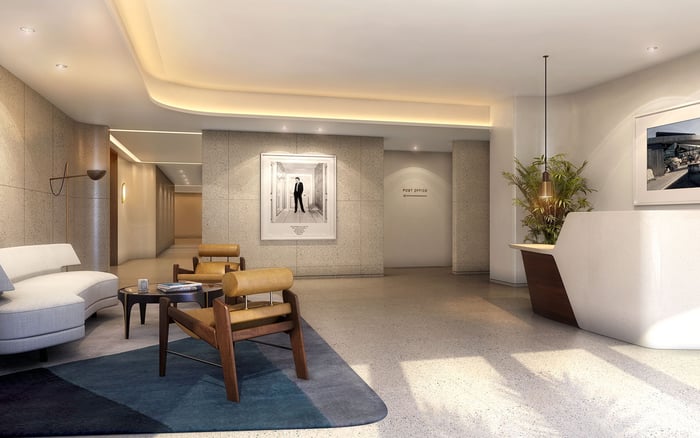
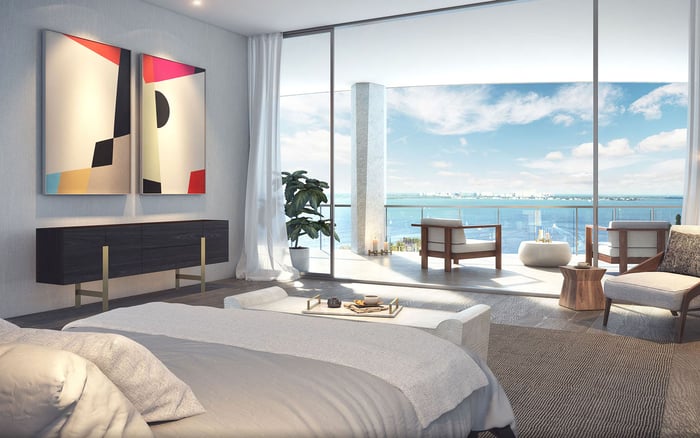
For those prioritizing a branded, full-service residential experience without leaving the neighborhood’s village energy, Four Seasons Residences Coconut Grove is a reference point that aligns with the area’s polished, not performative sensibility. For a more clubby, design-forward interpretation of Grove living, Mr. C Tigertail Coconut Grove offers another lens on how new development is meeting buyers who want walkability and discretion in equal measure.
Coconut Grove’s lifestyle advantage is density of experience. History, public space, and community events layer together within a compact radius, which makes the neighborhood feel textured rather than curated.
For heritage, the area benefits from proximity to one of Miami’s most visited historic estates. Vizcaya Museum & Gardens, near Coconut Grove, is open to visitors and operates with timed entry and ticketing through the museum. For residents, it functions as a dependable cultural anchor that is easy to plan, memorable for guests, and unmistakably “old Miami” in atmosphere.
Along the bayfront, The Barnacle Historic State Park preserves a Coconut Grove waterfront site and publishes general park admission along with separate guided tour fees. It is not a resort amenity, and that is precisely the appeal. It reads as authentic and enduring, a reminder that the Grove’s identity predates the current cycle of luxury development.
For everyday outdoor time, Peacock Park is a bayfront public park with sports fields and courts, a playground, and steady community use. Buyers with children, visiting family, or simply an appetite for public waterfront space often find that reliable park access becomes a daily luxury.
The Grove’s calendar also signals continuity. It hosts the Coconut Grove Arts Festival, a long-running annual arts event. It is also home to the King Mango Strut, an annual parade and community happening with its own dedicated programming. These are the kinds of rituals that keep a neighborhood socially cohesive, year after year.
For a neighborhood that attracts visitors, Coconut Grove manages logistics in a way that still supports resident life. The Coconut Grove Trolley functions as a neighborhood circulator, and official guidance outlines routes and stop areas. For owners who would rather avoid driving during peak periods, that local mobility option can quietly improve quality of life.
Parking is not glamorous, but it is foundational to how a neighborhood functions. Coconut Grove provides multiple public parking lots and garages, and it lists EV-charging options as part of its directions and parking guidance. For households that entertain, split time between cities, or host guests on short notice, clear parking information reduces friction.
For water-based experiences that feel curated rather than chaotic, Biscayne National Park Institute offers tours and activities associated with Coconut Grove, including bay excursions and eco-oriented outings. It is a fitting expression of the Grove’s style: access to the water that feels experiential, not merely geographic.
Fort Lauderdale’s luxury appeal is less “village” and more “waterfront city.” Its boating identity is core to how it presents itself, and it is widely tied to the “Venice of America” image. For buyers who want visible energy, a sense of motion, and multiple ways to spend a day, Fort Lauderdale delivers a broader stage.
The social spine is Las Olas Boulevard, a signature corridor for dining, shopping, and nightlife that anchors much of the core experience. If Coconut Grove’s charm is that it feels contained, Las Olas appeals because it feels expansive in options and open-ended in plan.
Fort Lauderdale also communicates a year-round events cadence through an official events calendar, and it runs Dine Out Lauderdale, an annual prix-fixe dining program designed to encourage value-driven exploration across participating restaurants. That pairing, events plus dining programming, reveals the city’s personality: it expects you to circulate, try new places, and keep plans moving.
For buyers evaluating modern oceanfront living with a strong hospitality frame, Auberge Beach Residences & Spa Fort Lauderdale is a well-known reference aligned with the city’s resort-meets-residence positioning. For a classical luxury brand expression in the beach market, Four Seasons Hotel & Private Residences Fort Lauderdale is another touchstone buyers often consider when they want services and location to do the heavy lifting.
Fort Lauderdale is not only a beach narrative. It is also a waterways narrative, and it offers an unusually literal way to understand the city’s layout.
Riverfront Cruises operates the Fort Lauderdale Water Taxi, a hop-on, hop-off option that turns the city’s canals and intracoastal routes into a practical sightseeing circuit. For residents, it can be a guest-friendly way to spend a weekend afternoon without elaborate planning.
On land, Hugh Taylor Birch State Park sits near Fort Lauderdale Beach and publishes hours and fees through Florida State Parks. It serves as a counterbalance to the city’s buzz: a place for outdoor recreation and a quieter pace, close enough to feel like a default option rather than a special trip.
And while luxury buyers rarely choose a location because of “free things to do,” it is still notable that Fort Lauderdale Beach and nearby areas are promoted for accessible activities beyond the shoreline. That points to a broader ecosystem of movement: walking, browsing, and casual plans that do not require a reservation to feel satisfying.
Two realities shape second-home and primary-home satisfaction: how easily you can arrive and park, and how the neighborhood behaves when it is busy.
Fort Lauderdale acknowledges demand with a municipal City Parking Locator, which makes it simpler to find parking in high-traffic zones near the beach and downtown. It does not eliminate crowds, but it can reduce the friction that turns an easy weekend into a logistical exercise.
For buyers who like their nights to run late, Fort Lauderdale’s nightlife energy is visible in Las Olas-area venues that emphasize an evening scene. The point is not that you will go out every night, but that you can, without leaving your immediate orbit.
If you like the idea of Fort Lauderdale’s waterfront dynamism but want a residential setting that still feels purposeful and elevated, St. Regis® Residences Bahia Mar Fort Lauderdale is often discussed in the context of branded living tied to the city’s boating culture.
Think about the year, not the closing day.
Choose Coconut-grove if you want a walkable village core, bayfront public spaces like Peacock Park, heritage anchors like Vizcaya and The Barnacle, and community events that feel local in tone such as the Coconut Grove Arts Festival and the King Mango Strut. It tends to reward residents who value routine, familiarity, and a softer social pace.
Choose Fort-lauderdale if you want a city built around waterways, a clear “going out” corridor in Las Olas Boulevard, a published events cadence, and mobility tools like the Water Taxi and city parking locator that support a more active visitor and resident mix. It tends to suit buyers who enjoy variety, entertaining, and a wider daylight-to-late-night range.
In both markets, the most durable luxury is not the finish package. It is how effortlessly the neighborhood supports the life you already live.
Is Coconut Grove primarily a waterfront neighborhood? Yes. It is known for boating and sailing access on Biscayne Bay and a laid-back, waterfront-oriented lifestyle.
What is CocoWalk in Coconut Grove? An open-air shopping and dining center with a curated mix of retailers and restaurants in the Grove’s walkable core.
What cultural events define Coconut Grove’s identity? The Coconut Grove Arts Festival and the King Mango Strut are two long-running annual events with dedicated programming.
Which parks matter most for everyday outdoor time in the Grove? Peacock Park is a key bayfront public park with courts, fields, and a playground, and The Barnacle is a preserved bayfront historic state park.
How do residents get around Coconut Grove without driving everywhere? The Coconut Grove Trolley provides a neighborhood circulator with defined routes and stops.
What is Fort Lauderdale best known for in a lifestyle sense? It is closely associated with boating and waterways and is widely referred to as the “Venice of America.”
Where is Fort Lauderdale’s main dining and shopping corridor? Las Olas Boulevard is a signature corridor for dining, shopping, and nightlife.
What is the Water Taxi in Fort Lauderdale? A hop-on, hop-off sightseeing option operated by Riverfront Cruises that lets you experience the city from its waterways.
Is there a major nature park near Fort Lauderdale Beach? Yes. Hugh Taylor Birch State Park is near the beach and publishes official hours and fees through Florida State Parks.
How do visitors and residents handle parking near Fort Lauderdale’s busy areas? The city provides a municipal City Parking Locator to help find parking locations near beach and downtown zones.
For expert guidance on South Florida waterfront real estate, connect with MILLION Luxury.
If branded residences are on your mind — as a home or as an allocation — we would be glad to share what we are seeing, privately.
Begin a quiet conversation