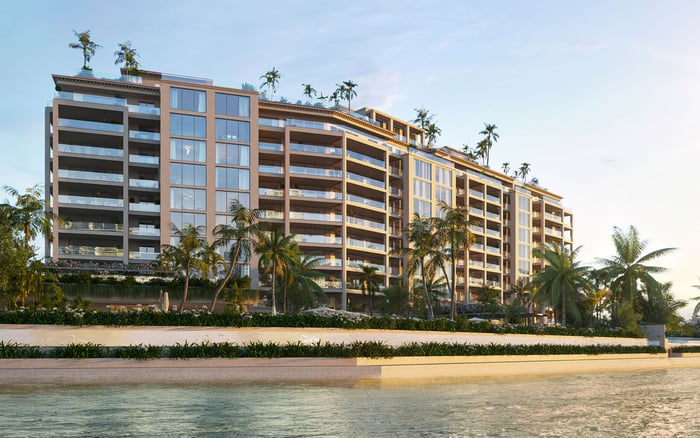
A first-year guide for Dallas buyers considering Fisher Island, with practical questions on evacuation planning, emergency access, backup power, insurance, and the inspections that govern a confident return.

For a Dallas household relocating to Fisher Island, the first year involves more than furnishing decisions and a new daily rhythm. Hurricane planning belongs alongside contract review, insurance placement, and the move-in calendar. The aim is not to diminish the appeal of island living, but to establish precisely how the household will leave, stay informed, and return when conditions permit.
A polished residence and a documented emergency plan answer different questions. When considering Palazzo del Sol Fisher Island, review the association’s written hurricane plan with the same care devoted to the residence itself. Request recent inspection reports, outstanding repairs, insurance documents, and re-entry procedures before closing. These are buyer due-diligence requests, not assurances about any particular property’s operations.
Distinguish between public emergency instructions, building procedures, and household decisions. A sound first-year plan makes all three explicit rather than assuming one substitutes for another.
Hurricane season runs from June 1 through November 30, but preparation should continue year-round. For a household arriving before summer, readiness before June is a sensible milestone. A move during hurricane season calls for immediate arrangements, not a delay until unpacking is complete.
Understand the distinction between an evacuation recommendation, which reflects residents’ personal risk, and an evacuation order covering specified areas facing projected danger. Storm surge is part of that decision. Check the county’s storm-surge planning zones and current evacuation-order map rather than relying on a residence’s elevation alone.
Choose an inland destination outside an evacuation area before it is needed. Staying with family or friends in such an area is preferable when possible; public evacuation centers are a last resort. Decide who will make the household’s departure decision, who will secure the residence, and how everyone will receive updates. Backup power is never a reason to disregard an evacuation order.
Island access warrants a separate conversation with management. Ask how resident departure and return are coordinated, what ferry or marina restrictions may apply, and how changes will be communicated. Do not assume routine arrival arrangements will remain available during an emergency.
For a buyer evaluating Palazzo della Luna Fisher Island, request a written explanation of the relevant procedures: who issues notices, which communication channels residents should monitor, and how emergency contractors obtain access. Ask separately about emergency-service arrangements. These questions should establish responsibilities without presuming a particular service level or response time.
Identify a primary household contact and a backup, especially if family members travel separately. Keep management contact details, insurance information, and departure instructions accessible away from the residence. The essential test is whether the plan remains usable when the owner is not on the island.
“Generator” is not a complete specification. Ask management to identify the systems supplied by backup power and distinguish common-area service from electricity within the residence. Never infer whole-unit power, cooling, or elevator operation from the presence of a generator.
At The Residences at Six Fisher Island, as with any prospective purchase, seek written, property-specific specifications rather than carrying over expectations from another building. Ask whether supported systems operate continuously or under restrictions, what conditions affect availability, and which maintenance documents can be reviewed. Resolve unanswered questions before relying on backup service.
A permanently installed exterior generator generally requires a building permit. Portable equipment is a separate issue, not an assumed condominium solution. It must operate outdoors, at least 10 feet from windows, doors, and other openings to reduce carbon-monoxide risk. When not in use, it must be stored indoors without fuel. Do not assume a balcony or terrace provides a compliant location, or that association rules permit use.
Households with medical or mobility needs should address evacuation support early. The Emergency & Evacuation Assistance Program supports residents who need specialized transportation or whose medical needs prevent independent evacuation. Residents dependent on life-sustaining electrical equipment should register before hurricane season rather than wait for an approaching storm.
That preparation is separate from verifying a building’s generator. A household medical plan should not depend on an unconfirmed expectation of in-residence electricity or uninterrupted access.
Keep public emergency information within reach as well. Emergency mapping includes evacuation centers, bus pickup locations, disaster assistance centers, food and water distribution points, and operational-hospital information. Storm activation updates provide evacuation-order and shelter-opening information; 311 is also a contact for shelter information and evacuation routes. Confirm current instructions as an event develops rather than relying on saved assumptions.
Departure is only half the plan. Before closing, ask who authorizes re-entry and how residents receive that authorization. Distinguish permission to reach the property from confirmation that the residence and necessary building systems are ready for occupancy.
Request an explanation of how structural conditions, electrical systems, elevators, fire systems, water intrusion, and water service are evaluated after a storm. Who performs each assessment? How are findings communicated? What happens if a shared system is operational but a particular residence requires further work? These are questions for management and the appropriate professionals, not universal Fisher Island standards.
Buyers considering The Links Estates at Fisher Island should likewise clarify which post-storm responsibilities belong to the owner and which rest with the relevant association or service provider. The goal is an explicit division of duties, including contractor access and authorization for work while the owner is elsewhere.
Before closing, assemble the hurricane plan, inspection documents, repair schedule, insurance materials, and written answers on backup power. Before June, settle the destination, communications, medical-assistance arrangements if needed, and responsibilities for securing the home. During the season, keep those details current as household circumstances change.
Insurance warrants a separate written review with qualified advisers. Ask how master-policy deductibles, unit-owner obligations, temporary housing, and loss-assessment coverage apply to the specific purchase. Do not assume association coverage resolves every household expense or that temporary accommodation is automatically covered.
After any storm affecting the property, follow re-entry instructions and the applicable inspection process before resuming occupancy. Preserve communications and ask how unresolved conditions will be tracked. For a relocating family, this discipline protects more than the residence: it preserves the ability to make measured decisions without improvising under pressure.
For a considered approach to your Fisher Island relocation and property search, connect with MILLION.
If branded residences are on your mind — as a home or as an allocation — we would be glad to share what we are seeing, privately.
Begin a quiet conversationHurricane season runs from June 1 through November 30. Prepare before June when possible and maintain readiness year-round.
Request the association’s written hurricane plan, recent inspection reports, outstanding repair schedule, insurance documents, and re-entry procedures.
A recommendation reflects residents’ personal risk, while an order covers specified areas facing projected danger. Follow current emergency instructions for the property.
No. Storm surge is a factor, so check current storm-surge planning zones and evacuation-order maps rather than relying on elevation alone.
Ask management about departure and return arrangements, ferry or marina restrictions, emergency-service arrangements, contractor access, and resident communication channels.
No. Obtain written specifications identifying supported systems, including whether in-residence power, cooling, or elevators receive backup service.
No. A generator does not override an evacuation order or replace a household evacuation plan.
Residents who need specialized transportation or cannot evacuate independently because of medical needs should plan assistance early. Those dependent on life-sustaining electrical equipment should register before the season.
Ask how structural conditions, electrical systems, elevators, fire systems, water intrusion, and water service are evaluated. Confirm who authorizes re-entry and communicates unresolved conditions.
Seek written professional advice on master-policy deductibles, unit-owner responsibilities, temporary housing, and loss-assessment coverage. The answers depend on the specific policies.