A refined buyer’s guide to condominium questionnaires, project-level underwriting, warrantability and the financing questions that can shape a Sunny Isles Beach closing and eventual resale.
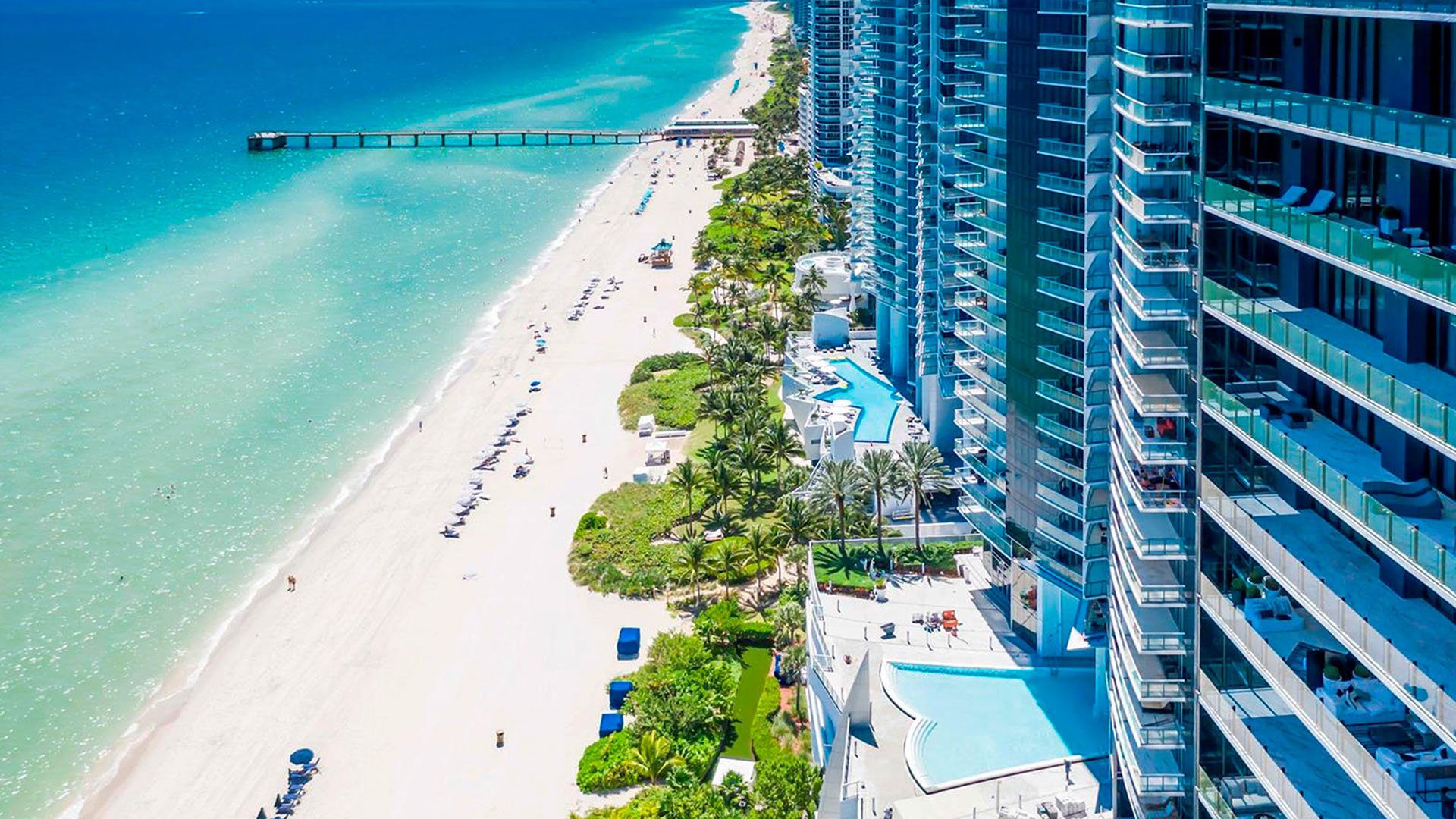
A boutique condominium purchase in Sunny Isles Beach may feel intensely personal: a preferred exposure, a discreet arrival and a limited number of neighbors. Yet financing depends on more than the residence and the borrower. The lender must also evaluate the condominium project.
That distinction matters whether the search includes Muse Residences Sunny Isles Beach, Regalia Sunny Isles Beach or another oceanfront address. A qualified borrower can still encounter difficulty if the association’s records, finances, insurance, physical condition or operating model do not satisfy the applicable loan program.
A warrantable condominium satisfies project standards used by Fannie Mae or Freddie Mac. A non-warrantable condominium generally cannot access standard agency-backed conventional financing. Non-warrantable does not necessarily mean unfinanceable, but it can mean fewer lenders, different underwriting and terms tailored to the borrower, unit and building.
The Condominium Project Questionnaire, Form 1076, gathers information used to determine project eligibility. It covers ownership, association finances, insurance, litigation, special assessments, reserves, inspections and building condition. The form itself is optional, so a lender may document the required information through another acceptable process.
Request the latest questionnaire used for a recent closing, then ask the proposed lender to confirm in writing that it is sufficiently current and complete for this transaction. An older questionnaire is only a starting point. Litigation, insurance terms, delinquencies, assessments and repair obligations can change quickly.
Order the document early. Associations may charge approximately $75 to $250, and underwriting can pause while a manager or association completes it. The financing contingency should allow sufficient time for document delivery, follow-up questions and project review.
Most importantly, ask: “Have you approved only me and the unit, or have you completed the project-level review?” Those are not equivalent milestones.
Limited review requires less project documentation than full review, but availability depends on occupancy, loan-to-value ratio and transaction structure. Full review examines the association budget and reserve contributions more deeply, with a 10% annual reserve allocation commonly treated as an important benchmark.
Investment and second-home buyers should ask the lender which review applies before the deposit becomes non-refundable. The same discipline is appropriate when comparing a branded residence such as Armani Casa Sunny Isles Beach with a more intimate boutique proposition. Project eligibility must be confirmed building by building, not inferred from design, service or price.
Since January 2022, condominium standards have placed greater emphasis on deferred maintenance, unsafe conditions and structural concerns. Request recent structural inspections, reserve studies, repair plans and written evidence detailing how required work will be funded.
Ask whether special assessments are pending, approved or anticipated; how much remains unpaid; and whether the work concerns structural or life-safety issues. Also request the percentage of units more than 60 days delinquent on assessments. These answers help reveal whether the association can meet its obligations without destabilizing the budget.
The lender should verify master property, liability and applicable flood coverage, including deductibles and exclusions, before the financing contingency expires. Pending litigation involving structural defects, major repairs or significant association exposure can make conventional approval difficult or impossible.
Confirm the proportions of owner-occupied, investor-owned and second-home units. Also determine whether one owner, developer, investor or related group holds a concentrated share. An agency benchmark is no more than 25% ownership concentration in projects containing at least 21 units, although the lender must apply the standards relevant to the proposed loan.
Condo-hotel characteristics require particular care. Ask whether rentals under 30 days are allowed, hotel-style services are provided or owners must join a rental-management program. Short-term-rental policies and rental-pool structures can be problematic for agency warrantability. Mixed-use buildings also warrant scrutiny because commercial space above roughly 35% of total project square footage can prevent conventional eligibility.
These questions remain relevant at The Ritz-Carlton Residences® Sunny Isles or any other service-rich address. Amenities do not answer the underwriting question.
Resale flexibility begins at acquisition. A building dependent on cash purchasers or a small group of specialty lenders presents a narrower financing path than an agency-eligible project. That may affect the next buyer’s options and the owner’s future refinancing strategy.
Portfolio and specialty lenders may finance non-warrantable condominiums, but a “no questionnaire” program should never replace due diligence. Such lenders may still request detailed financial records and conduct substantive underwriting. Distinguish a temporary documentation deficiency that may be curable from a substantive structural, financial or operating issue.
Cash buyers should perform the same review. Paying without a mortgage eliminates today’s lender condition, not tomorrow’s resale financing question.
Before the deposit becomes non-refundable, have the lender review the questionnaire, budget, reserves, insurance, litigation, inspections, ownership concentration and rental rules. Obtain written responses from the association or manager rather than relying on listing remarks or verbal assurances.
A prudent financing contingency should accommodate association response times and lender project review. If conventional approval is uncertain, identify a credible portfolio alternative early and compare its conditions without assuming availability. The objective is not simply to reach closing, but to acquire an asset with a financing profile understood in advance.
What is a warrantable condominium? It is a project that satisfies applicable Fannie Mae or Freddie Mac standards, supporting access to standard agency-backed conventional financing.
Is Form 1076 always mandatory? No. A lender may use another acceptable method to collect and document the required project information.
Can I rely on a questionnaire from a recent closing? Use it as a starting point, but have your lender confirm that it is current and complete for your proposed loan.
When should the questionnaire be ordered? Order it early enough to allow association completion, lender follow-up and project review before the financing contingency expires.
What should I ask about special assessments? Ask whether assessments are pending, approved or anticipated, what remains unpaid and whether the related work involves structural or safety concerns.
Why do association reserves matter? Reserves indicate the association’s capacity to address repairs and obligations, and full-review underwriting examines reserve contributions closely.
Can litigation prevent conventional financing? Yes. Litigation involving structural defects, major repairs or material association exposure can make project approval difficult or impossible.
Are short rentals a warrantability concern? They can be, particularly when combined with hotel-style services, mandatory rental programs or a rental-pool structure.
Can a non-warrantable condominium still be financed? Potentially. Portfolio and specialty lenders may offer financing based on the borrower, residence and project, often with different terms.
Should a cash buyer investigate warrantability? Yes. Project eligibility may influence future refinancing and the financing available to the next purchaser.
For a discreet conversation and a curated building-by-building shortlist, connect with MILLION.
If branded residences are on your mind — as a home or as an allocation — we would be glad to share what we are seeing, privately.
Begin a quiet conversation