For yacht-oriented buyers in Las Olas, the decisive costs and constraints often sit beyond the residence itself. Route clearance, controlling depth, legal slip rights, marina expenses, canal geometry, and crew operations can determine whether a waterfront property truly works and how readily it may resell.
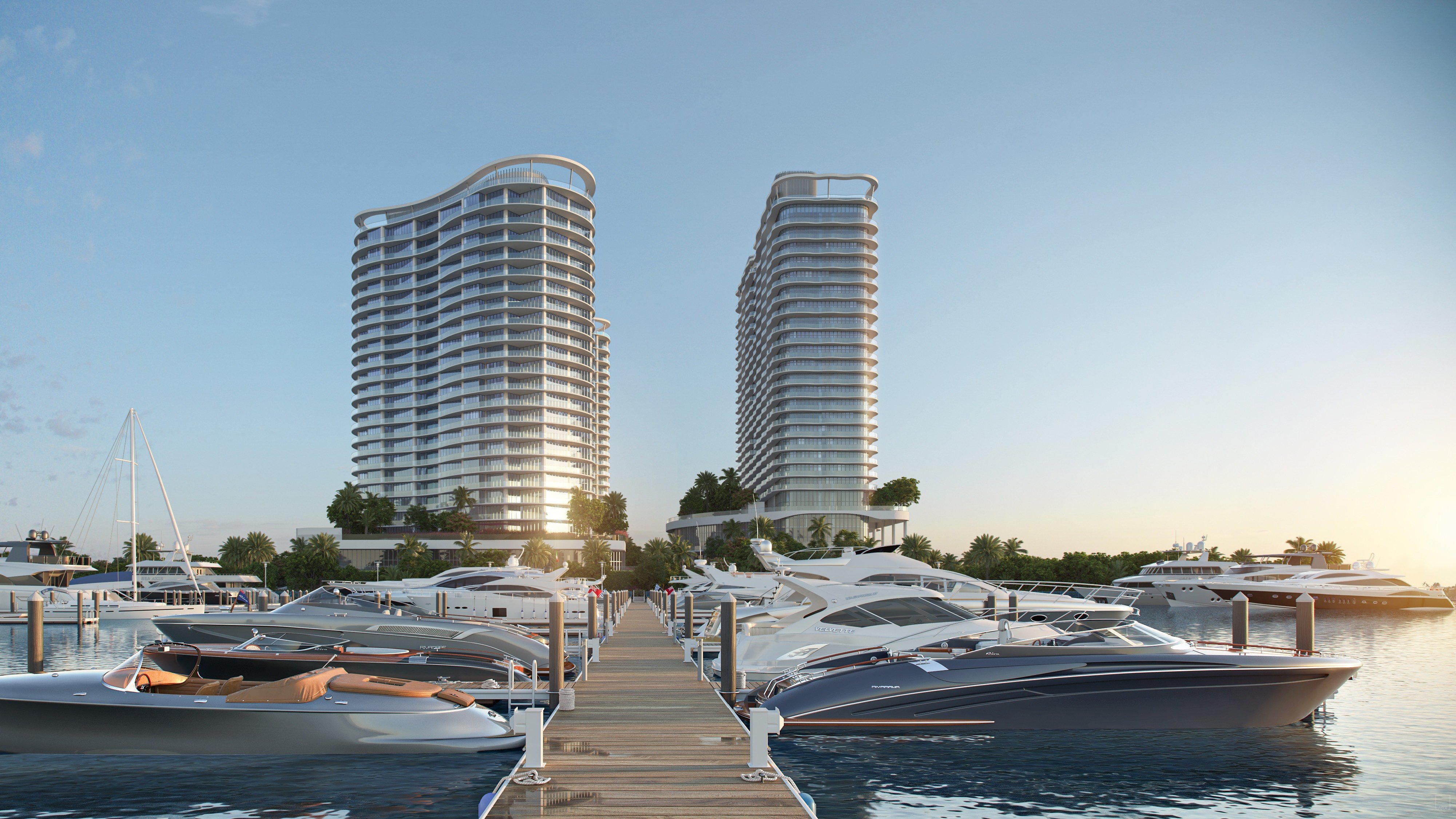
In Las Olas, a waterfront purchase can look compelling on paper yet fail its most important test: whether the owner’s vessel can move safely, legally, and conveniently between the berth and open water. The asking price is visible, while the constraints shaping daily ownership may be embedded in bridge routes, canal depth, slip documents, marina charges, and crew routines.
That distinction matters across the broader Fort Lauderdale market. A buyer comparing a dockside home with a residence at Four Seasons Hotel & Private Residences Fort Lauderdale is not simply choosing between architecture and amenities. The decision may also involve keeping a vessel at the residence, securing an outside berth, or accepting a longer operational chain between home and yacht.
The best waterfront address is the one that works for the yacht as precisely as it works for the owner.
A vessel’s air draft should be tested against every bridge between the intended berth and open water. The most restrictive point on the route can become the practical limit, regardless of how accommodating the other spans may be.
Movable bridges can introduce timing and coordination considerations rather than creating an absolute barrier. Buyers should verify current bridge clearances, opening procedures, tide conditions, construction notices, navigation information, and local advisories before closing. A figure taken from marketing material or an informal discussion should not replace route-specific diligence.
The return route also deserves attention. A plan that works under one set of tide, weather, or operating conditions may require different timing under another. The vessel’s antennas, towers, outriggers, and other equipment should be included when assessing air draft.
Clearing the bridges does not prove that the berth works. Buyers should also confirm controlling depth, vessel draft, beam, turning room, seawall condition, utility capacity, setbacks, and waterway dimensions. Conditions can vary within the same marina or canal system, making berth-specific verification essential.
That reality is central to evaluating a yachting-oriented setting such as St. Regis® Residences Bahia Mar Fort Lauderdale. Proximity to substantial water does not replace verification of the exact berth, approach, and vessel profile contemplated by the buyer.
Canal width may be equally decisive. A long seawall can be misleading if the yacht’s beam, orientation, or required maneuvering area conflicts with the usable waterway. Advertised dock length should therefore be treated as one measurement, not as proof of fit.
A marine professional can help assess depth, approach conditions, turning requirements, dock infrastructure, shore power, water service, and the effect of the vessel’s full operating profile. Legal and association documents require separate review by qualified advisers.
A slip may be deeded, assigned, leased, transferable, vessel-specific, or subject to association and marina approval. Each structure can carry different implications for control, cost, financing, resale, and yacht replacement. Buyers should establish precisely what right is being conveyed, whether it follows the residence, and which approvals may apply.
Marina dues and related charges also belong in the acquisition model. The review should identify the billing method, services included, utility charges, deposits, insurance requirements, maintenance obligations, and potential costs associated with moving or storing the vessel. Current written terms should guide the analysis.
An outside berth may still be the right solution when a private dock is too shallow, bridge-constrained, or incompatible with the intended vessel or crew use. In that context, an urban residence such as Sixth & Rio Fort Lauderdale can be assessed alongside a separate marina arrangement rather than dismissed for lacking direct dockage. The proper comparison is total lifestyle utility, not simply dock versus no dock.
Crew operations can expose costs and friction that a property showing will not. Transit restrictions, bridge procedures, fueling, maintenance windows, guest arrivals, and provisioning can all shape the practical experience of keeping a yacht near the residence.
Shore access matters as well. Buyers should examine parking, loading areas, service entrances, tender access, luggage handling, deliveries, waste procedures, security protocols, and vendor rules. A berth that suits occasional owner use may not support frequent crew movements or complex provisioning with equal ease.
Liveaboard or onboard crew plans require particular care. Applicable marina rules, association documents, insurance terms, parking requirements, and local regulations should be reviewed before assuming that regular habitation is permitted. The operating plan should also account for where crew members can park, receive deliveries, and reach the vessel outside normal service hours.
For a yacht-oriented buyer, a restrictive route can narrow the future buyer pool. A property that accommodates the current boat may not support a taller, deeper, or wider replacement. Conversely, verified access, defensible slip rights, suitable utilities, and workable crew circulation can strengthen the ownership case.
This is why the residential comparison should remain broad. A buyer considering The Ritz-Carlton Residences® Fort Lauderdale may rationally pair the home with professional marina storage, while another may prioritize a private dock despite the added maintenance and route diligence. Neither model is inherently superior. The more useful model is the one aligned with the yacht, schedule, crew, and likely future fleet.
Resale analysis should test more than the current owner’s preferences. Transferability of the slip, approval requirements, practical vessel limits, marina availability, and the cost of alternative storage can all influence how another yacht owner evaluates the property.
Before committing, map the complete route from the berth toward open water and compare the yacht’s air draft with every bridge. Verify current clearance information, controlling depth, beam constraints, turning room, transit procedures, seawall condition, shore power, water, waste handling, and vendor access.
Then review the slip instrument, transfer rights, approval procedures, marina dues, insurance requirements, parking capacity, and rules affecting habitation or crew use. Price the outside-berth alternative even if the property has a dock. That comparison can provide a useful benchmark and reveal whether the apparent boating amenity is genuinely usable.
Route analysis, marine inspection, document review, and financial modeling should converge before the waterfront premium is accepted. For discreet guidance on matching a Las Olas residence with the realities of yacht ownership, connect with MILLION.
If branded residences are on your mind — as a home or as an allocation — we would be glad to share what we are seeing, privately.
Begin a quiet conversationA restrictive bridge can prevent a yacht from reaching the berth or make access dependent on operating procedures. That limitation can affect practical utility and resale appeal.
Air draft is the vessel’s height above the waterline. Buyers should compare the vessel’s complete operating profile with every bridge on the intended route.
Buyers should check current navigation information, bridge procedures, tide conditions, construction notices, and local advisories for the complete route.
No. Depth, beam, turning room, canal geometry, seawall condition, utilities, and route clearance also require verification.
A berth or approach may be too shallow even when dock length and bridge clearance appear adequate. Depth should be evaluated for the specific vessel and route.
Confirm whether the slip is deeded, assigned, leased, transferable, vessel-specific, or subject to association or marina approval.
Review current dues, utilities, deposits, insurance requirements, included services, maintenance obligations, and any separate storage or movement costs.
Permission should not be assumed. Marina rules, association documents, insurance terms, parking requirements, and applicable regulations require review.
Bridge operations, transit restrictions, fueling, maintenance, and provisioning can add time and coordination to routine yacht use.
Yes. An outside berth may be preferable when the private dock, waterway, utilities, route, or operating rules do not suit the intended vessel.