A practical ownership framework for protecting an Oceana Key Biscayne residence during South Florida’s humid summer, from pre-closing HVAC review to remote alerts, emergency access, and scheduled unit inspections.
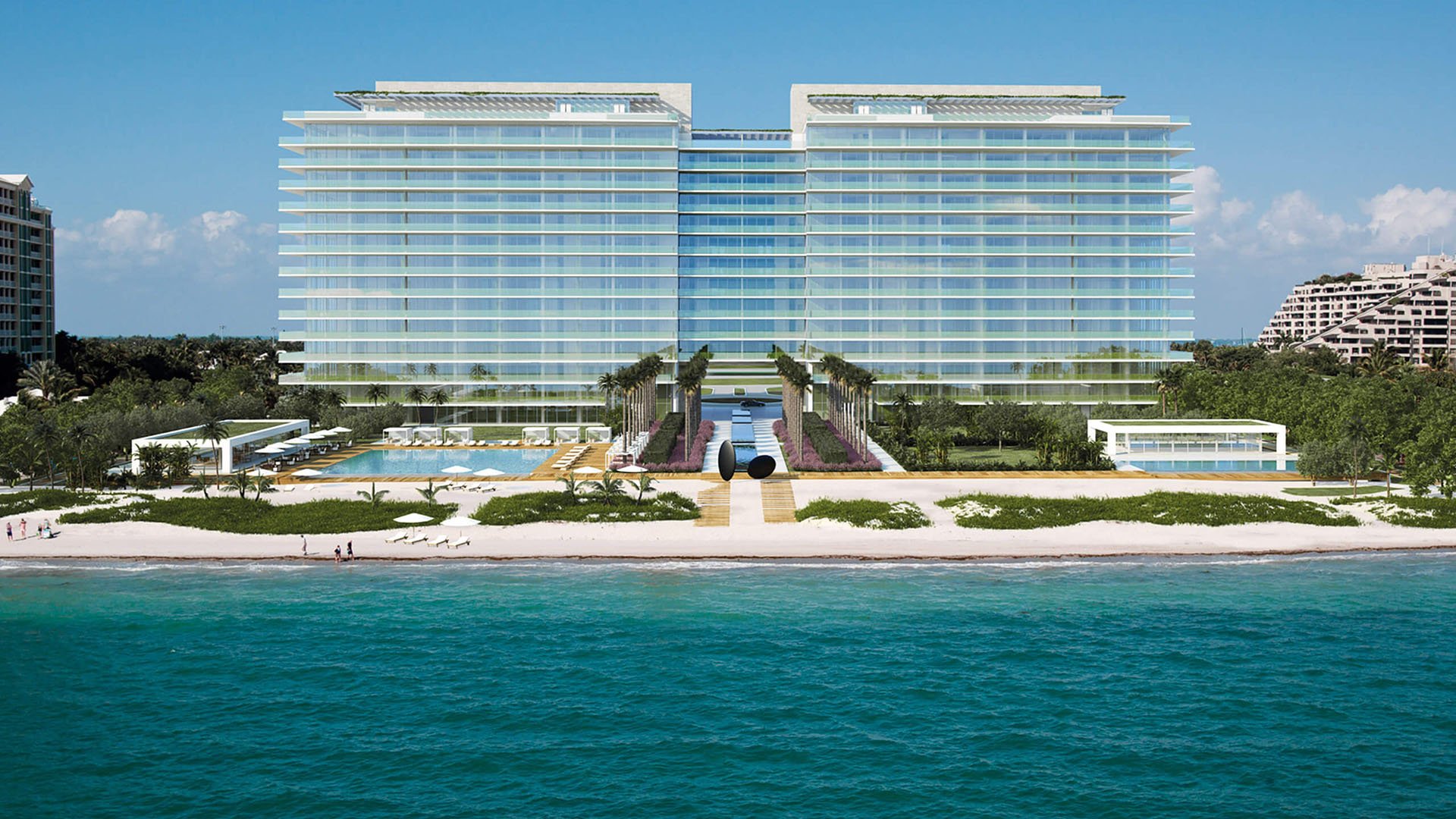
At Oceana Key Biscayne, the appeal is immediate: an oceanfront setting at 350-360 Ocean Drive, a 500-foot private beach, and a collection of 142 condominium residences and 12 villas. Relaxation and lap pools, beach service, a pool restaurant, tennis courts, fitness and spa facilities, a children’s center, and a media room complete this notably private residential environment.
Yet an elegant seasonal residence demands an equally considered operating plan. South Florida’s summer humidity does not pause when an owner departs. For a home that may remain unoccupied for weeks or months, closing should establish more than legal ownership. It should confirm how the residence will control moisture, detect water, provide emergency access, and receive routine attention.
This is the practical dimension of oceanfront ownership. It is also why second-home care belongs in the closing conversation rather than being deferred until the first extended absence. Within MILLION’s Buyer’s Guides, the most durable ownership strategies connect building access, in-unit mechanical performance, and disciplined oversight.
A seasonal residence should be prepared to manage humidity before the owner leaves, not after an alert arrives.
Oceana residences feature central cooling and central heat, placing the in-unit HVAC system at the center of summer moisture management. Before closing, a buyer should verify the air-conditioning capacity serving the residence, filter schedule, condensate maintenance history, thermostat controls, and compatibility with supplemental dehumidification.
The review should encompass airflow, the condition of drip pans, and whether condensate drains are clean and unobstructed. These are not merely comfort considerations. Restricted airflow can compromise moisture removal, while drainage faults can become water events when a residence is unattended. A qualified HVAC contractor familiar with high-rise condominium systems should provide unit-specific recommendations.
Buyers should also obtain the condominium’s current maintenance rules, emergency-access procedures, relevant mechanical specifications, and policies governing thermostat settings or supplemental dehumidification equipment. The presence of a building-wide dehumidification system is not established. The buyer should therefore confirm precisely what moisture control exists within the selected residence and which modifications, if any, the association permits.
That discipline applies across coastal condominium ownership, whether considering Oceana Bal Harbour or another waterfront address. The architecture may differ, but the decisive question remains unit-specific: can the mechanical system maintain the intended humidity level during a prolonged summer absence?
Indoor relative humidity should remain below 60% to help prevent mold growth. For tighter control in a coastal high-rise, approximately 40% to 50% RH is a prudent target range. Temperature alone is not an adequate proxy. An air conditioner may be operating while indoor humidity remains elevated because cooling does not always provide sufficient moisture removal.
A Wi-Fi thermostat with a built-in humidity sensor allows an absentee owner to monitor both temperature and RH. An away temperature of roughly 75°F to 78°F can maintain cooling cycles without excessive energy use. The thermostat fan should generally remain on “AUTO.” Continuous fan operation can return moisture from the cooling coil to the residence after a cooling cycle ends.
If the air-conditioning system cannot maintain the target RH, the next step is not an improvised portable solution. A qualified contractor should determine whether a properly sized whole-home or integrated dehumidifier is appropriate, technically compatible, and permitted under association rules. The same measured approach matters in glass-forward coastal towers such as Jade Signature Sunny Isles Beach, where every recommendation should reflect the residence’s actual system and enclosure conditions.
Mechanical equipment performs best when the residence is properly sealed. Before an extended absence, inspect the weatherstripping and confirm that windows, exterior doors, and balcony sliders close tightly. Windows and exterior doors should remain closed while the air conditioning operates, as humid outdoor air increases the system’s moisture load.
Moisture should also be removed at its source during occupancy. Bathroom exhaust fans should run during and after showers, while an externally vented kitchen hood should be used during cooking. Before departure, owners should leave the residence dry and stable rather than require the HVAC system to correct lingering moisture after the doors close.
This attention to the enclosure is part of a broader coastal lifestyle, not a purely technical exercise. At residences such as The Ritz-Carlton Residences® Miami Beach, as at Oceana, sophisticated ownership is expressed through quiet preparation and consistent care.
Remote humidity monitoring should be paired with leak detectors and condensate overflow safeguards. Together, these devices can reveal a developing problem before visible damage becomes extensive. Alerts are useful, however, only when they trigger a defined response.
Oceana offers 24-hour professional concierge, valet, and gated security services. These services can support an emergency-response plan when access is authorized in advance, but an owner should never leave roles to assumption. Written instructions should identify HVAC settings, humidity and leak-alert thresholds, approved vendors, emergency-access permissions, and the person staff should contact when an alarm activates.
The plan should distinguish observation from repair. A designated representative may confirm thermostat readings, inspect for condensation or musty odors, and check for plumbing or HVAC drainage issues. Technical work should remain with properly qualified vendors. If any area becomes wet or damp, it should be dried within 48 hours; plumbing or building-envelope leaks should be repaired promptly.
Periodic inspections remain essential even when every sensor appears normal. Technology can report conditions at its measuring point, but it may not reveal a musty cabinet, localized condensation, a slow plumbing leak, or a developing drain obstruction. A scheduled physical visit provides a second layer of protection.
Before funds transfer, assemble a concise residence operations file. It should include the HVAC evaluation, current filter and maintenance schedule, thermostat instructions, target RH range, sensor locations, condensate safeguards, vendor contacts, emergency permissions, and inspection cadence. Keep a copy accessible to both the owner and the authorized local representative.
The final walkthrough should test the plan rather than merely admire the finishes. Confirm that thermostat and humidity readings are remotely visible, alerts reach the intended recipients, detectors are active, doors and sliders seal correctly, and authorized parties understand how access will be granted. Record baseline readings and the date of the next service visit.
The result is not maintenance for its own sake. It is a discreet framework for preserving interiors, mechanical systems, and the effortless experience expected of a seasonal Key Biscayne residence. When humidity targets, physical inspections, and response authority are settled at closing, ownership becomes more predictable throughout the summer.
For discreet guidance on South Florida luxury real estate and seasonal ownership planning, connect with MILLION.
If branded residences are on your mind — as a home or as an allocation — we would be glad to share what we are seeing, privately.
Begin a quiet conversationKeep indoor relative humidity below 60% to help prevent mold growth. For tighter coastal control, approximately 40% to 50% RH is a prudent target.
An away setting of roughly 75°F to 78°F can sustain cooling cycles without excessive energy use, subject to unit-specific HVAC guidance.
The fan should generally remain on “AUTO.” Continuous operation can reintroduce moisture from the cooling coil after a cycle ends.
Not always. Owners should monitor relative humidity even while the air conditioner is running and seek qualified advice if target RH cannot be maintained.
Public descriptions do not establish a building-wide dehumidification system. Buyers should verify the selected residence’s equipment and association rules before closing.
Review AC capacity, filter schedules, airflow, drip pans, condensate maintenance, thermostat controls, and compatibility with supplemental dehumidification.
If air conditioning cannot maintain the target RH, consult a qualified high-rise HVAC contractor about a properly sized integrated system and association requirements.
Use a Wi-Fi thermostat with humidity sensing, leak detectors, and condensate overflow safeguards. Confirm that alerts reach people authorized to respond.
Arrange periodic physical inspections during long absences. Visits should check condensation, odors, plumbing, thermostat readings, and HVAC drainage.
Document HVAC settings, alert thresholds, authorized vendors, emergency-access permissions, and the contacts who should be notified when an alarm activates.