Bal Harbour offers access to two major airports and Miami’s marquee events, but ordinary drive-time estimates can become unreliable during Formula 1 and Boat Show periods. A residence strategy should therefore include airport flexibility, a dedicated driver, route-specific briefs and fallback pickup points.
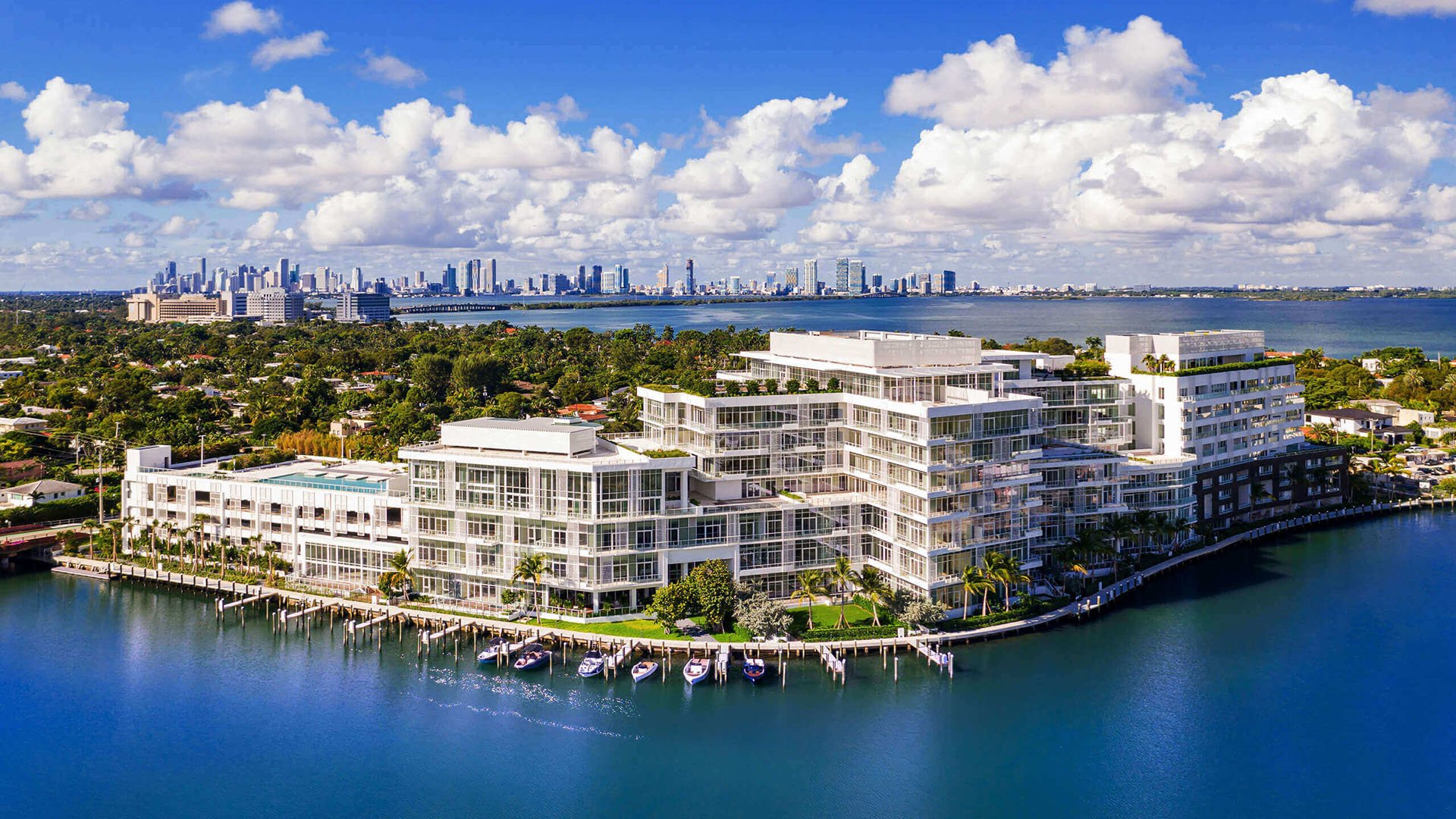
For an internationally mobile owner arriving after Abu Dhabi, Bal Harbour’s appeal is clear: a composed oceanfront setting within reach of Miami’s airports, cultural calendar and major sporting events. Yet proximity does not guarantee predictability. During Formula 1 and the Discover Boating Miami International Boat Show, a straightforward transfer can become a sequence of causeway constraints, arterial congestion, venue closures and shifting pickup conditions.
That distinction belongs in the purchase conversation. Buyers considering Rivage Bal Harbour or Oceana Bal Harbour should assess not only the residence, but also how the household will move during the most demanding weekends of the year. The essential Buyer’s Guide principle is simple: the best plan distinguishes ordinary access from event-week operations.
In Bal Harbour, mobility is not an afterthought during Miami’s marquee weekends.
Bal Harbour is about 15 miles from Miami International Airport, with an ordinary-traffic estimate of approximately 26 minutes. The reverse journey is roughly 16 miles and 27 minutes. Fort Lauderdale-Hollywood International Airport is approximately 17.8 miles away, with favorable-condition estimates ranging from about 27 to 39 minutes, depending on route and traffic.
These figures are useful for orientation, but not as just-in-time departure assumptions. Event traffic can affect the causeways, I-95 and local approaches at different times. A prudent household keeps both MIA and FLL in consideration until the day’s conditions reveal the better option. Flight convenience still matters, but ground reliability can determine which itinerary is genuinely more efficient.
The airport brief should be precise. The driver needs the flight terminal, luggage profile, desired curb or lounge arrival time, primary route, alternate route and a decision point for changing plans. Owners at the northern end of Miami Beach should not assume that a familiar corridor will remain the fastest simply because it performs well on ordinary weekdays.
The Miami Grand Prix circuit around Hard Rock Stadium in Miami Gardens places unusual pressure on local roads, I-95 and the Palmetto Expressway. Race-related closures can begin Thursday morning and continue through Sunday evening, making F1 mobility a multi-day concern rather than a Sunday-only matter.
I-95 Exit 12B at NW 199th Street is a principal stadium choke point, with heavy race-day congestion expected from roughly 8 a.m. to 8 p.m. The more difficult journey often comes after the event. Peak post-race trips from Hard Rock Stadium toward Miami Beach can exceed 90 minutes, while waits around the stadium may extend beyond 45 to 60 minutes.
On-demand transport introduces another variable. Rideshare pricing can rise to four to six times normal levels. A Bal Harbour-to-stadium ride may cost near $45 ordinarily, around $135 at a threefold surge and approximately $120 for a pre-booked flat-rate car. These figures are planning references, not guarantees, but the operational lesson is clear: pre-book the driver, define the service window and agree on an alternate meeting point before departure.
For buyers also comparing the coastal corridor, Bentley Residences Sunny Isles offers a useful prompt for the same due diligence. The question is not merely the distance to the circuit, but how the driver will approach, wait, communicate and exit when the stadium perimeter is under maximum pressure.
The five-day Boat Show spreads activity across several parts of Miami. For the 2026 edition, its three principal areas were Indian Creek, the Miami Beach Convention Center, and Pride Park at Sailor’s Cove near IGY Yacht Haven Grande Miami by the MacArthur Causeway. That distribution matters: a household may need separate routing plans for each venue rather than one generic “Boat Show” instruction.
Attendance increases congestion around the Convention Center, along Collins Avenue beside the Miami Beach Yacht Collection and throughout nearby streets. Slow movement can also affect the Julia Tuttle, Venetian and MacArthur causeways. Event closures may include Convention Center Drive and portions of 18th and 19th streets in Miami Beach, along with Herald Plaza and Biscayne Bay streets downtown.
Bridge controls add another layer. For the 2026 show, the East Venetian Causeway drawbridge was scheduled to remain closed to boat traffic from 3 to 8 p.m. Wednesday through Friday and from 3 to 7 p.m. Saturday and Sunday. Plans also restricted openings of the 63rd Street drawbridge during weekday-style morning and afternoon rush periods-a direct consideration for circulation through northern Miami Beach and Bal Harbour. Delays, detours and drawbridges remaining elevated longer than usual all warranted consideration.
Because arrangements can change with each edition, owners should verify venue locations, closure windows and bridge restrictions annually. A household visiting The Surf Club Four Seasons Surfside or moving between Surfside and Bal Harbour should give the driver a northern route, a causeway alternative and a fallback point accessible on foot without relying on a blocked curb.
For a waterfront buyer, transport planning is integral to lifestyle quality. It determines whether an airport transfer feels composed, whether guests arrive on schedule and whether an event evening ends with a controlled departure rather than an improvised search for a vehicle.
Before closing, ask how the building handles advance driver registration, guest-arrival coordination and vehicle staging. Confirm where a chauffeur can wait, where a second car can stand by and how instructions are relayed if the preferred entrance becomes inaccessible. These are operational questions, not claims about any particular development, and should be verified directly for each property.
A concise household protocol can cover four scenarios: MIA, FLL, Hard Rock Stadium and each Boat Show venue. Every plan should include a primary route, one fallback route, a fixed communication channel and a secondary pickup point. Airport departures require the widest buffer during bridge-control periods and the F1 post-race exodus.
Bal Harbour remains exceptionally well placed for an owner who values privacy, oceanfront living and access to Miami’s calendar. The refined approach is not to avoid major events, but to prepare for them with the same discipline applied to aviation, security and residence management.
For discreet guidance on aligning a Bal Harbour purchase with your South Florida plans, connect with MILLION.
If branded residences are on your mind — as a home or as an allocation — we would be glad to share what we are seeing, privately.
Begin a quiet conversationThe trip is about 15 miles and is estimated at roughly 26 minutes in ordinary traffic. Event days require a substantial additional buffer.
The reverse journey is listed at about 16 miles and approximately 27 minutes by car under favorable conditions.
Yes. FLL is approximately 17.8 miles away, with route estimates ranging from about 27 to 39 minutes depending on conditions.
Keep both available when possible, then select based on flight convenience and that day’s causeway, I-95 and event traffic.
Race-related closures can begin Thursday morning and continue through Sunday evening, making planning necessary across the full weekend.
Post-race waits can exceed 45 to 60 minutes, and rideshare pricing estimates can reach four to six times normal levels.
At peak departure times, trips from Hard Rock Stadium toward Miami Beach can exceed 90 minutes.
The principal areas were Indian Creek, the Miami Beach Convention Center, and Pride Park at Sailor’s Cove near the MacArthur Causeway.
Bridge controls can alter traffic on northern Miami Beach corridors, including the 63rd Street area, and complicate airport or venue transfers.
It should specify the destination, primary and fallback routes, timing buffer, communication channel and a secondary pickup point.