At Five Park, a polished interior should not be mistaken for a complete transfer of every object on view. Buyers should separate real property from movable furnishings, document ownership and exclusions, test warranty and replacement rights, and preserve future resale options before closing.

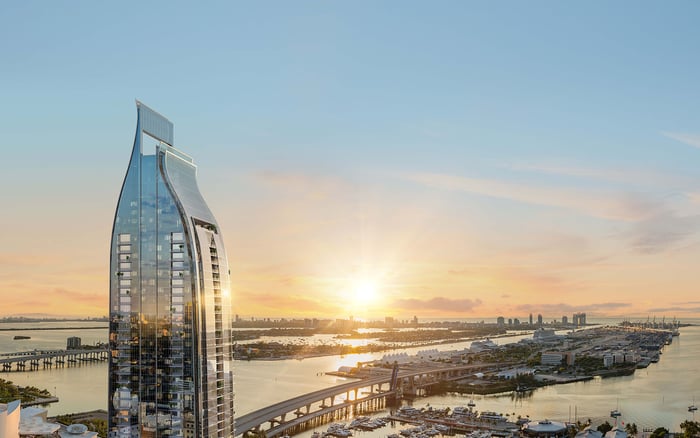
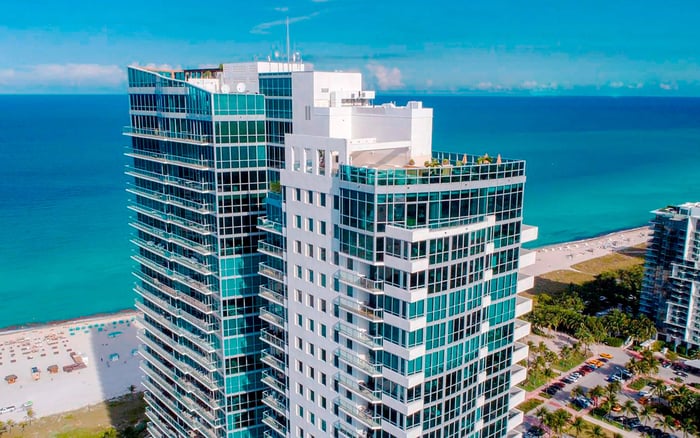
Five Park Miami Beach is a completed 48-story residential condominium with 227 residences at 500 Alton Road. Developed by Terra and GFO Investments, the approximately 519-foot tower has become a defining presence on the Miami Beach skyline. Closings began in November 2024 after the developers obtained a temporary certificate of occupancy.
At this scale, furniture documentation is more than a decorative concern. Early closings ranged from approximately $1.6 million to $9 million, while Unit 3701 closed for $7.3 million, or $2,291 per square foot. Penthouse 4702 sold for $17.5 million and was expressly promoted as fully furnished by Artefacto. That distinction matters: the furnishings were a stated selling point, not an implied feature of every residence.
The project emphasizes architecture, kitchens, bathrooms, amenities and integrated design features without presenting every home as universally turnkey furnished. A one-bedroom residence offered for resale at $2.2 million displayed its furniture status as “n/a.” Together, these examples support one disciplined conclusion.
At Five Park, furniture inclusion should be negotiated and documented, never presumed.
Arquitectonica designed the tower, and Gabellini Sheppard handled the residential interiors. Residence specifications include Italian kitchen cabinetry, integrated wood-top dining tables, Gaggenau appliances and Hansgrohe fixtures. Those elements should be analyzed separately from sofas, dining chairs, rugs, lamps, artwork and other movable objects.
Florida counsel should determine which elements are fixtures or built-ins that transfer with the real estate and which remain personal property requiring a separate transfer mechanism. The integrated dining table warrants particular attention because physical integration does not, by itself, resolve every contractual question. The governing purchase agreement, plans, specifications, riders and closing documents should align.
This distinction matters well beyond one tower. Buyers comparing Five Park Miami Beach with Apogee South Beach or The Ritz-Carlton Residences® South Beach should resist carrying furnishing assumptions from one transaction to another. Each contract controls its own framework for inclusion, exclusion and transfer.
A phrase such as “designer furnished” is no substitute for an inventory. The signed schedule should identify each included piece by location, description, brand, quantity and condition. Serial numbers should be recorded where applicable. Every exclusion should be equally clear, particularly when a residence has been staged for marketing.
Artwork, accessories, electronics, outdoor pieces and decorative objects require individual attention. Buyers should establish whether each item is owned by the seller, leased, borrowed or held on consignment. Photography can assist with identification, but images should supplement-not replace-the written inventory.
The final walk-through should be conducted against that signed schedule. High-value pieces should be photographed, their condition recorded and any discrepancy resolved before funds are released. This process also protects the seller by reducing ambiguity over objects that were never intended to transfer.
For a Move-In Ready acquisition, the operational details are especially important. Confirm when possession of the furniture transfers, who bears the risk of damage before closing and whether installation or removal remains outstanding. If the parties assign a value to personal property, that allocation should be coordinated with the lender, title company, insurer and tax adviser rather than inserted casually at the end of negotiations.
Ownership is only the first layer. A buyer should request warranties, purchase records, service agreements, care instructions and vendor contacts for included pieces. The documents should establish whether those rights may transfer and what steps, notices or fees are required to complete the transfer.
Replacement rights demand equal scrutiny. A package may contain discontinued finishes, custom dimensions or pieces selected as part of a coordinated interior. Buyers should determine whether a damaged or unavailable item must be replaced with the identical model, a comparable item, a credit or nothing at all. No remedy should be assumed unless the contract provides it.
Visible outdoor furniture introduces another point of review. Balcony and other visible-area design rules should be checked before value is assigned to pieces that may face restrictions on materials, color, placement or replacement. This is where Design & Architecture expectations intersect with association governance and practical ownership.
Five Park contains two condominium associations. The Park comprises 132 residences on floors 8 through 25, while Canopy Residences comprises 95 residences on the upper floors. Buyers should confirm which association governs their residence and review the applicable declaration, bylaws, rules and budget materials.
Private furniture within a residence is distinct from furnishings serving lobbies, lounges, wellness areas or other common spaces. Five Park features more than 50,000 square feet of amenities, an in-house wellness program, a private beach club and an adjacent three-acre park. Within that environment, purchasers should determine which association owns each common-area furnishing and how repair, replacement or redesign is authorized and funded.
A resident does not ordinarily gain individual resale rights over common-area pieces merely by owning a condominium. The governing documents, however, must be reviewed before drawing conclusions about ownership, voting authority, expense allocation or reserves. The available project information does not resolve those legal questions.
A seller planning a future Resale should confirm that included furniture can lawfully be sold with the residence. The original furniture agreement may contain restrictions affecting assignment, warranties, designer attribution, manufacturer names or commercial use of photographs. Consigned or borrowed pieces should never be marketed as owned inventory.
Marketing language should also match the contract. “Fully furnished,” “turnkey” and “furniture available” describe different commercial propositions unless the documents define them otherwise. Penthouse 4702 demonstrates the value of clarity because its Artefacto furnishings were expressly promoted as part of its immediate usability. The final available penthouse, meanwhile, sold for $18.5 million in February 2026 after being listed for $21 million, underscoring the substantial context in which presentation and negotiated inclusions may operate.
Buyers considering other design-led Miami Beach residences, including The Perigon Miami Beach, should apply the same discipline. A compelling interior can influence a decision, but only signed documentation establishes what is owned, what transfers and what may later be replaced or resold.
For MILLION’s Buyer's Guides audience, the strongest approach is concise but exacting. Obtain an itemized inventory and exclusions schedule. Establish title to each movable item. Separate fixtures and built-ins from personal property with Florida counsel. Review warranties, service agreements and replacement remedies. Confirm balcony rules and the correct association documents. Coordinate any allocation with financial, title, insurance and tax advisers. Finally, reconcile every included object during the walk-through.
The objective is not to complicate an elegant purchase. It is to ensure that the elegance visible on signing day remains supported by enforceable ownership, practical service rights and a clear path to future disposition.
For discreet guidance on South Florida’s finest residences, connect with MILLION.
If branded residences are on your mind — as a home or as an allocation — we would be glad to share what we are seeing, privately.
Begin a quiet conversationNo universal turnkey-furnished delivery is advertised for every residence. Furniture inclusion should be confirmed in the specific purchase or resale contract.
Penthouse 4702 was expressly promoted as fully furnished by Artefacto, making its furnishings a stated transaction feature rather than an assumption.
It should identify each included piece, location, brand, quantity, condition and applicable serial number, together with all exclusions.
Not necessarily. Florida counsel should distinguish fixtures and integrated elements from movable personal property and document each transfer appropriately.
Yes. The buyer should confirm whether artwork, accessories, electronics and decorative objects are owned, leased, borrowed or consigned.
Transfer should not be assumed. Buyers should review warranty terms, service agreements and any required notices, fees or assignments.
The applicable condominium documents should establish association ownership and the process for repair, replacement, redesign and funding.
The Park and Canopy Residences govern different portions of the tower. Buyers should review the documents applicable to their particular residence.
Only if the seller owns it and the relevant agreements permit resale. Attribution, photography, warranty and consignment restrictions should also be checked.
The parties should reconcile the residence against the signed inventory, document the condition of valuable pieces and resolve discrepancies before closing.