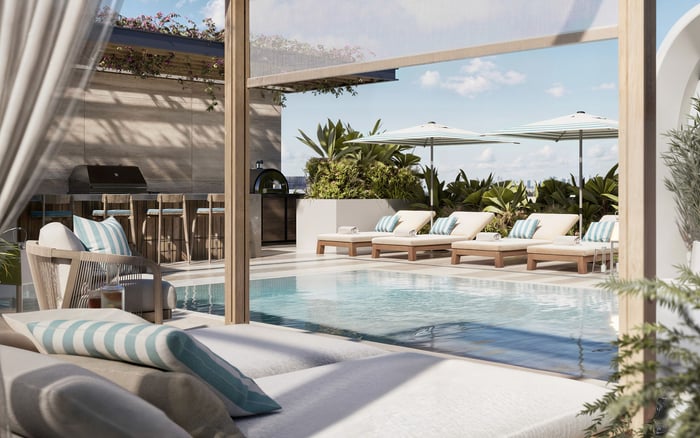
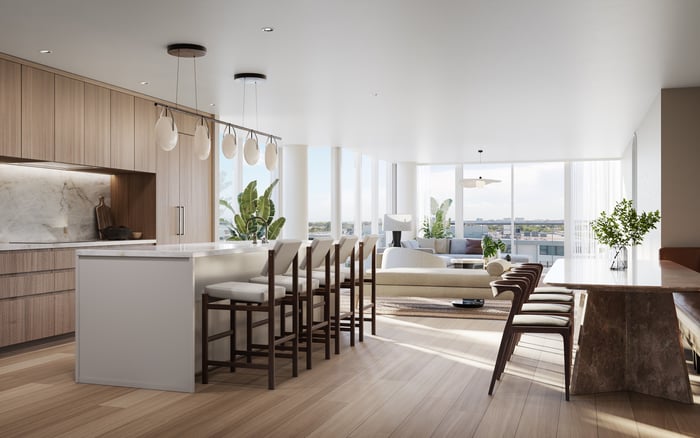
This buyer’s guide explains how to evaluate private dining, catering access, and event restrictions at Mila Bay Harbor Islands and The Well Bay Harbor Islands through governing documents, written policies, and realistic event scenarios.
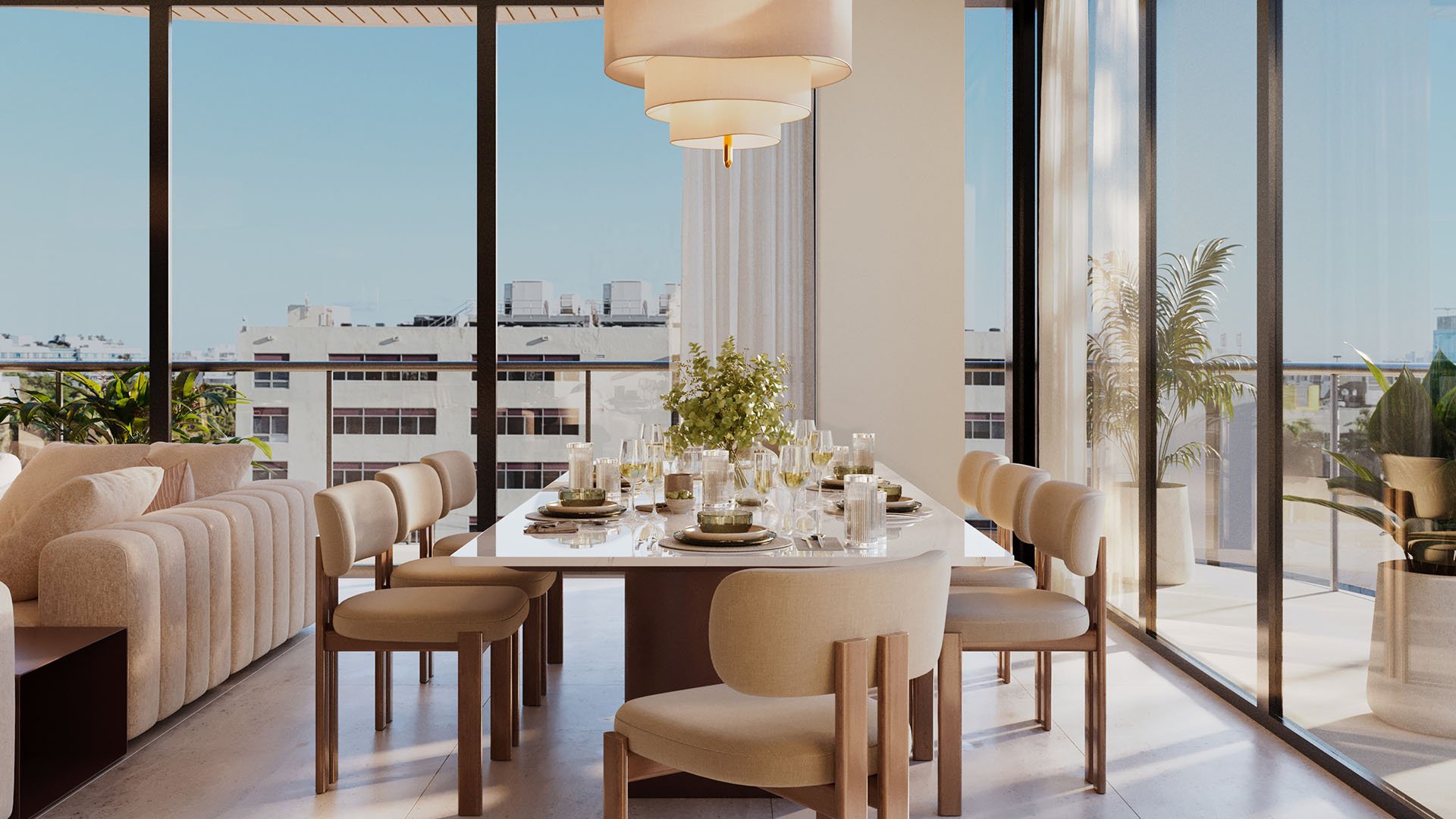
For luxury buyers, private dining is not simply a matter of whether a rooftop, outdoor kitchen, lounge, or dining space appears on an amenity plan. The more consequential question is what a resident may actually do there. Exclusive reservations, outside chefs, bartenders, amplified music, alcohol service, deliveries, guest access, cleanup, and event hours may each be governed separately.
That distinction is especially important when comparing Mila Bay Harbor Islands with The Well Bay Harbor Islands. Buyers should evaluate both through the condominium documents, current rules, purchase materials, and written management guidance rather than relying on renderings, amenity names, or verbal assurances.
The real luxury is not merely having a gathering space, but knowing exactly how it may be used.
A buyer considering Mila should determine whether any gathering area can be reserved, whether reservations are exclusive, and whether other residents retain access during private use. The documents should also clarify guest limits, permitted hours, booking frequency, cancellation terms, deposits, and responsibility for damage.
The same inquiry should cover outside caterers, private chefs, servers, bartenders, rental furniture, floral deliveries, and music. Buyers should ask whether vendors need certificates of insurance, advance approval, security supervision, or protected elevator access. Loading, food preparation, refuse removal, and post-event cleaning can determine whether a proposed dinner is practical.
The review for THE WELL should be equally specific. A space designed for gathering does not automatically function as a privately reservable event venue. Buyers should establish which areas may be booked, whether they can be used exclusively, and whether different rules apply to club spaces, common areas, dining areas, outdoor kitchens, terraces, or pool-adjacent settings.
Any restaurant, club, or wellness component should be evaluated separately from condominium ownership. Buyers should not assume private-room access, resident pricing, priority reservations, catering privileges, or account-charging rights unless those benefits appear in the applicable documents or a written agreement.
An amenity may be part of a condominium while remaining subject to extensive operating rules. A resident might have general access without the right to exclude others, bring in outside vendors, serve alcohol, use amplified sound, or host beyond a stated hour. Conversely, a relatively simple space with clear procedures may better support a buyer’s lifestyle than a more elaborate setting with uncertain access.
Buyers should identify which entity controls each relevant space. Condominium associations, clubs, restaurant operators, and third-party managers may apply different reservation systems, fees, insurance requirements, and guest policies. If more than one entity is involved, request a written explanation of where each party’s authority begins and ends.
This distinction also matters when rules may change. Prospective purchasers should ask which documents are binding, which remain in draft form, and whether operating policies can be amended after closing. Material entertaining expectations should be addressed before signing rather than left to assumptions about future management practices.
A useful due diligence exercise is to present the same event scenario to each project. Instead of asking whether entertaining is allowed, describe a seated dinner with a defined guest count, a chef, service staff, wine, background music, deliveries, guest vehicles, and a specific booking window. Request a written response identifying every approval, cost, insurance requirement, and time limit.
Ask whether common areas remain open to other residents during the event. Confirm attendance limits, booking frequency, cancellation charges, security requirements, cleanup obligations, and responsibility for damage. Determine where vendors may unload, where food can be prepared, whether elevators need protection, and how waste must be removed.
If guest parking, valet staging, refrigeration, cooking equipment, or weather protection is essential, address each point independently. None should be inferred from a project’s broader service profile. Buyers should also ask what happens when weather makes an outdoor reservation unusable and whether an indoor alternative, refund, or rescheduling option applies.
Catering access often turns on details that are easy to overlook. The association or operator may distinguish between a private chef, a licensed caterer, a bartender, and general service staff. Ask whether vendors must appear on an approved list, provide insurance, sign an access agreement, or work only during designated hours.
Alcohol service warrants a separate written answer. Buyers should determine whether residents may provide their own beverages, whether a licensed professional is required, and whether glassware or alcohol is restricted in particular amenity areas. Noise controls, live performers, speakers, and quiet hours should also be addressed directly.
Cleanup terms can materially affect both cost and convenience. Clarify whether staff must be hired through the property, whether a cleaning fee is mandatory, how long vendors have to remove equipment, and what penalties apply if an event runs late or leaves damage.
Buyers evaluating Bay Harbor Islands may also consider Onda Bay Harbor and La Maré Bay Harbor Islands. The same document-first standard should apply to every comparison: distinguish appealing design from legally and operationally dependable entertaining access.
A consistent checklist makes comparisons more useful. Submit the same event description, ask the same questions, and retain written responses with the transaction file. This approach helps buyers compare actual permissions rather than broad lifestyle impressions.
Neither project should be selected on an amenity label alone. The better fit is the residence whose governing documents and operating policies align with the owner’s preferred guest counts, service expectations, event frequency, and willingness to entertain off property when necessary.
Before committing, request the complete applicable rule set, model a representative dinner, and obtain written clarification of every term that materially affects use. For discreet guidance on Bay Harbor Islands residences and luxury due diligence, consult MILLION.
If branded residences are on your mind — as a home or as an allocation — we would be glad to share what we are seeing, privately.
Begin a quiet conversationReview the condominium declaration, current rules, purchase materials, reservation policies, and any applicable club or operator agreements.
No. Reservation and exclusivity rights should be confirmed in the governing documents or written policies.
Yes. Ask about approved vendors, insurance, loading, elevator access, preparation areas, service hours, and cleanup.
No. Private dining access, priority reservations, pricing, and catering privileges should not be assumed without written terms.
A detailed scenario reveals the approvals, fees, guest limits, staffing requirements, and operating restrictions that may apply.
Confirm whether residents may provide beverages, whether licensed service is required, and whether alcohol or glassware is restricted in certain areas.
Review booking windows, exclusivity, duration, frequency limits, deposits, cancellation terms, and weather policies.
Confirm unloading locations, access routes, elevator protection, insurance requirements, equipment removal, and waste procedures.
Operating policies may be subject to amendment, so buyers should identify which terms are binding and which remain changeable.
Submit the same event scenario and checklist to each project, then compare the written responses and applicable documents.