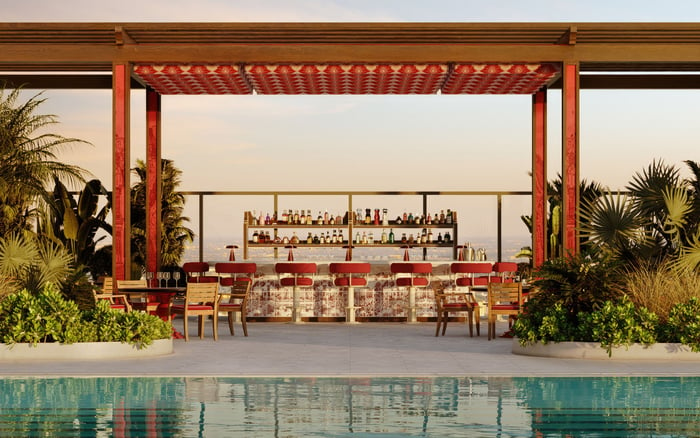
Private entertaining deserves the same scrutiny as a residence purchase. The Setai’s venue-specific event details offer a starting point, while Delano requires careful entity identification before any comparison of capacity, catering permissions, or arrival security.
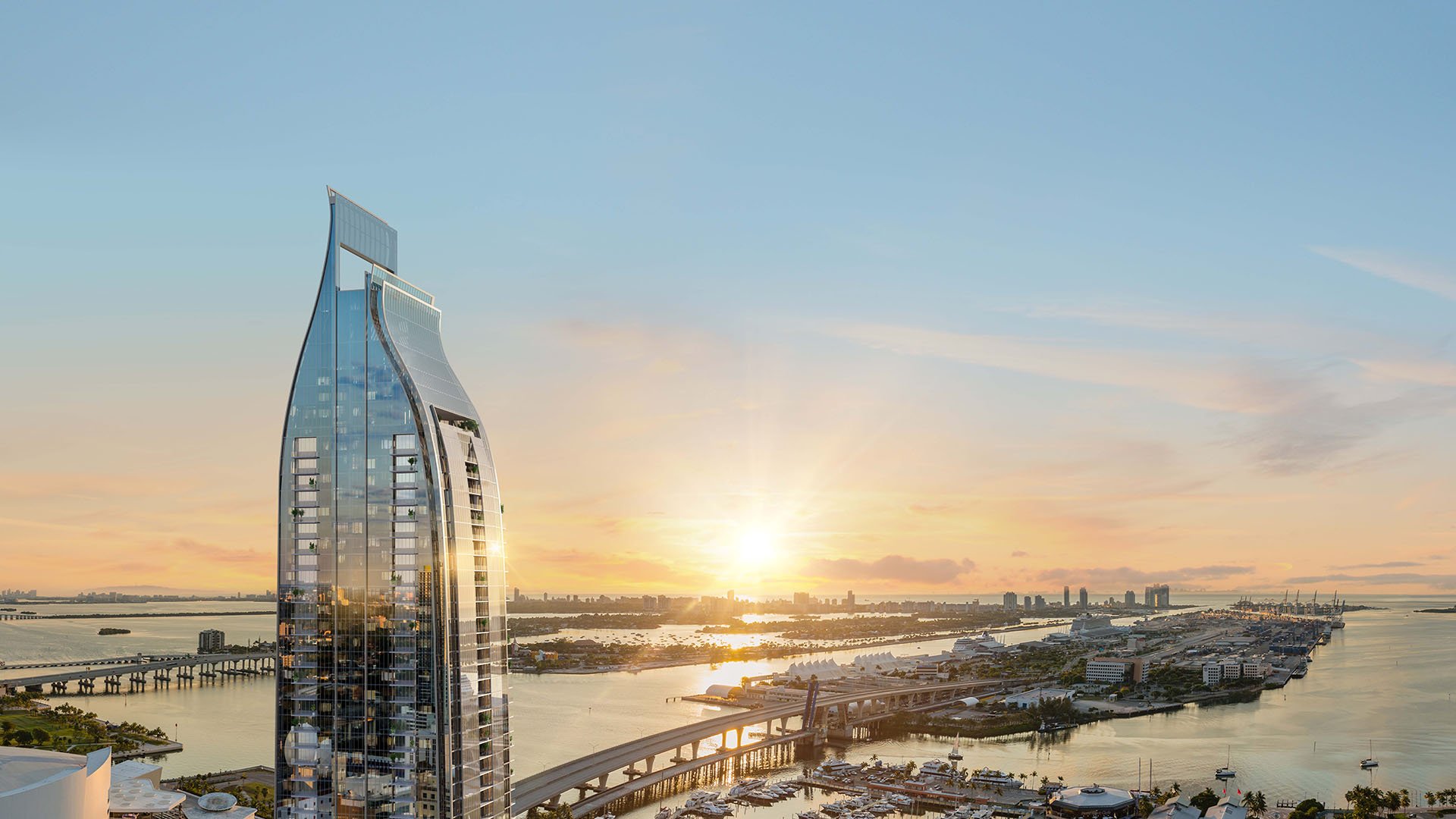
For a buyer who entertains regularly, a residence’s appeal extends beyond its interiors. An executive dinner, family celebration, or cocktail reception raises practical questions: where guests may gather, who may prepare and serve food, and how arrivals affect the residential experience. The most consequential details often lie in operating rules rather than amenity descriptions.
Setai Residences Miami Beach and Delano Residences & Hotel Miami frame that conversation, but not as a verified comparison of equivalent event facilities. The Setai’s hospitality venues offer specific starting points for inquiry. Event figures associated with Delano Miami Beach do not establish the capacities or policies of Delano Residences & Hotel Miami. Keeping those identities separate is essential before drawing conclusions about either residential purchase.
The buyer’s task is to connect three things in writing: the intended gathering, the approved venue, and the rules governing its operation. A beautiful setting is not, by itself, permission to host.
The Setai’s event spaces include Jaya, the courtyard, Chef’s Kitchen, Ocean Grill, pool and deck areas, and penthouse-related spaces. This is a collection of settings, not a single ballroom with a universal attendance limit. Each proposed gathering should begin with the exact space and layout.
The Kyoto Room accommodates up to 16 guests for executive dinners, tastings, and intimate celebrations. Chef’s Kitchen is approximately 1,100 square feet, with room for roughly 40 seated guests or 65 for cocktails. These distinctions matter because they connect a number to an event format. A seated dinner and a standing reception are not interchangeable uses of the same room.
Before relying on a capacity, request the applicable schedule and a proposed floor plan. Ask whether the stated limit covers guests alone or everyone present, including servers, musicians, and production personnel. Confirm how furniture, audiovisual equipment, and circulation affect the approved arrangement. These are questions to resolve, not assumptions about existing restrictions.
The courtyard also requires current, written capacity confirmation. Buyers should not treat an unconfirmed maximum as a promise. The relevant number is the approved attendance for their event in the configuration they intend to use.
Delano Miami Beach has capacities of 70 classroom seats and 30 banquet seats. Those figures belong to that property. They should not carry over into a discussion of Delano Residences & Hotel Miami simply because the names share a brand.
For a buyer considering the latter, the inquiry should begin with a property-specific venue schedule, then move to residential eligibility, booking rights, and operational rules. Without those documents, there is no sound basis to conclude that it offers a larger, more flexible, or more private hosting arrangement than The Setai.
The same discipline applies when expanding a Downtown Miami search to Waldorf Astoria Residences Downtown Miami. The useful comparison is not the resonance of the name, but whether each property can document how the buyer’s intended gathering would be approved and managed. No event policy should be inferred from a project’s branding.
The Setai’s events team can coordinate room setup, catering, audiovisual infrastructure, and organized activities. Its event offering includes gourmet catering and audiovisual support. For a host, those services establish a starting point, but they do not settle every food-and-beverage question.
The available catering details do not establish a complete outside-caterer policy, corkage schedule, kitchen-access policy, or minimum-spend structure. An in-house team does not, on its own, prove that an outside chef, bartender, or production vendor is either permitted or prohibited.
A buyer who prefers a particular chef should request written answers before assuming that preference can be accommodated. Ask who contracts with the caterer, which kitchens or preparation areas may be used, and whether outside vendors require approval. Clarify alcohol responsibility, service charges, insurance requirements, loading access, and cleanup obligations alongside menu pricing.
For a specific event proposal, request terms from The Setai’s catering-and-events team for the precise venue and format. A tailored written response is more useful than a general assurance that entertaining can be arranged.
A reception begins before the first drink is served. Invitations, vehicle arrivals, vendor deliveries, and departures all deserve scrutiny when the buyer values discretion. The central question is not merely whether security exists, but how guest and vendor movement is managed in relation to residents.
The available details do not establish whether The Setai’s event guests use separate entrances, undergo screening, or may access residential elevators and corridors. That does not mean such controls are absent. Buyers should request the applicable procedures rather than assume either unrestricted access or complete separation.
Ask for an arrival plan covering guest-list handling, entry points, security staffing, valet coordination, and elevator assignments. Request separate instructions for vendors and late arrivals. Establish who can authorize access changes during the event and who remains responsible through departure and cleanup.
When considering another Miami Beach address such as Shore Club Private Collections Miami Beach, apply the same questions without presuming equivalent arrangements. A clear route from arrival to venue, with residential boundaries identified, is a more useful diligence objective than an undefined promise of privacy.
The Setai’s event offering includes two- and four-bedroom specialty suites exceeding 1,500 square feet, with balconies. Those details do not establish equivalent event rights for privately owned residences. A hotel suite, hospitality venue, and condominium unit may be subject to different permissions.
For branded residences, buyers should ask whether hotel event policies are incorporated into condominium documents or house rules. Confirm whether owners can reserve hospitality spaces, whether private-unit entertaining has separate limits, and which document governs if expectations differ.
Lifestyle fit depends on those distinctions. The intended host should describe the gatherings they expect to hold, including format, timing, and vendor needs, then seek written confirmation of what is permitted. Square footage alone cannot answer that question.
Before treating entertaining capability as a purchase advantage, assemble venue-specific capacities, approved configurations, event hours, sound limits, catering terms, alcohol responsibility, insurance, loading, cleanup, security staffing, valet procedures, and elevator assignments. Keep the venue agreement distinct from the documents governing the residence.
The strongest conclusion is not that one name promises more than another. It is that the buyer understands which permissions apply, who administers them, and how an event can proceed without compromising residential privacy.
For a residence search shaped by discreet entertaining and precise due diligence, connect with MILLION.
If branded residences are on your mind — as a home or as an allocation — we would be glad to share what we are seeing, privately.
Begin a quiet conversationThe Kyoto Room accommodates up to 16 guests and is presented for executive dinners, tastings, and intimate celebrations.
Chef’s Kitchen is approximately 1,100 square feet, accommodating roughly 40 seated guests or 65 for cocktails. Confirm the approved layout for the proposed event.
No; its event inventory includes multiple venues, and attendance depends on the space and configuration.
No; the 70 classroom seats and 30 banquet seats identified for Delano Miami Beach do not establish capacities for Delano Residences & Hotel Miami.
No; catering coordination does not establish whether outside chefs, bartenders, or other vendors are permitted or prohibited.
Request written terms covering outside vendors, corkage, kitchen access, minimum spending, alcohol responsibility, insurance, and cleanup. These details are not fully established by the available catering information.
The available venue information does not establish those arrangements. Buyers should request the applicable arrival, screening, and access procedures.
No; The Setai’s specialty-suite descriptions do not establish equivalent event permissions for privately owned residences.
Request a written response from The Setai’s catering-and-events team tailored to the venue, format, and proposed gathering.
It should address capacities, layouts, hours, sound, catering, alcohol, insurance, loading, cleanup, security, valet, and elevator assignments. Confirm separately how residential documents govern owner hosting rights.