Both communities offer bayfront living rather than an Atlantic beach of their own. The meaningful comparison lies in documented beach routes, property-specific cabana rights and the rules governing family, visitors and tenants.
The choice between Bay Harbor Islands and North Bay Village begins with a distinction that photography can soften: neither municipality has an Atlantic beach of its own. Bay Harbor Islands occupies two islands in Biscayne Bay; North Bay Village comprises three islands with bayfront shoreline. A water-facing residence in either location is not, by geography alone, an oceanfront home.
For a buyer imagining morning swims, shaded afternoons and weekends with visiting family, that distinction matters. Beach access, cabana use and guest privileges are three separate questions. Permission to reach the sand does not establish a right to a lounger, and permission to build a cabana does not establish who may occupy it.
A sound comparison starts with the intended routine, then tests each element against the rights attached to the specific residence.
Bay Harbor Islands and Bal Harbour are different municipalities. Their similar names should never blur that legal distinction, particularly when a purchase conversation turns to resident beach access.
Bal Harbour’s All Access Card serves as a key fob for Waterfront Park and, starting in spring 2026, the 102nd Street Beach Access Path. The beach-access path is gated: entry requires the card rather than allowing unrestricted public access. Ownership in Bay Harbor Islands does not itself establish eligibility for Bal Harbour’s resident card.
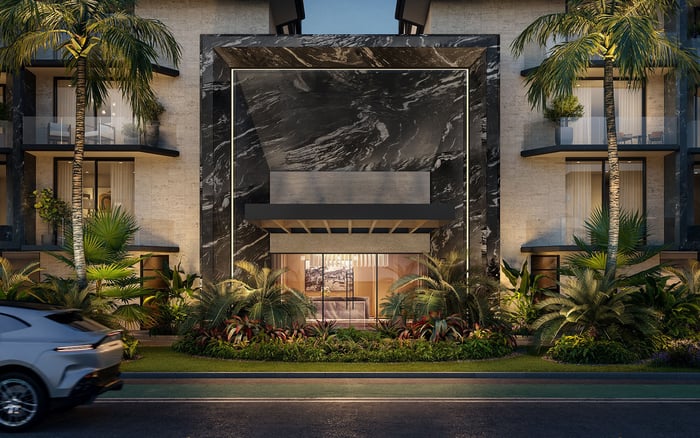
When considering Alana Bay Harbor Islands, ask more than whether the beach is nearby. Establish which route the household can lawfully use, whether credentials are required and how visiting friends would enter. Confirm those details before treating an off-site route as an everyday convenience of the residence.
Transport deserves equal attention. Bal Harbour prohibits electric mobility devices along its beach path, jetty, cutwalk and 102nd Street Beach Access Path. Do not plan the household’s beach routine around riding through those areas.
North Bay Village’s waterfront planning framework specifies a 10-foot-wide public shoreline walkway to be provided and maintained with new waterfront development. It also specifies a 5-foot-wide public access walkway connecting the public right-of-way to the shoreline.
These dimensions describe a bayfront access framework, not an Atlantic beach connection. The framework documented in 2021 does not establish that a continuous promenade is already complete. Buyers should distinguish a planned connection from an open, usable route at the property under consideration.
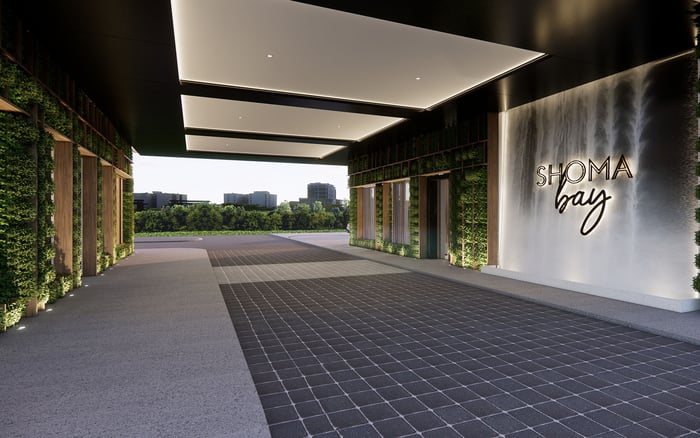
When considering Shoma Bay North Bay Village, inspect the existing shoreline connections and request the applicable site plan. Identify where public circulation is intended, where private amenities begin and whether the desired walking route is available today.
Public waterfront access and residential privacy are distinct considerations. An accessible shoreline does not grant the public use of a condominium’s pool deck, nor does it give residents exclusive control of a public walkway.
In Bay Harbor Islands, specified open structures on West Island waterfront lots may project into rear and side setbacks, subject to town approval and building-code compliance. The listed structures include pool cabanas, thatched huts, fixed umbrellas and gazebos. This is a narrowly defined development provision, not a general promise of cabana rights for every residence.
Awnings and canopies also require town-manager approval, while canvas carport-style canopies used to shelter parked vehicles are prohibited. A proposed shaded outdoor setting therefore calls for a review of its design, location and approvals-not an assumption that every covering is treated alike.
For a condominium purchase, including one at Bay Harbor Towers, ask a different set of questions: Is any advertised cabana part of the purchase? Is its use exclusive or shared? What document establishes the right, and does that right transfer on resale? Municipal permission for a structure cannot answer those ownership questions.
Bal Harbour’s cabana rules belong to that separate municipality. Its zoning definition allows permanent or portable bath cabins with specified accessories but excludes sleeping or living quarters. In its Ocean Front District, cabanas permitted within setback areas must remain at least 25 feet from each side lot line. Neither rule should be applied to Bay Harbor Islands or North Bay Village.
For buyers who entertain, the decisive difference may lie in the building documents rather than the municipal boundary. Do not assume either community has a universal guest allowance, a standard cabana reservation procedure or automatic beach privileges for visiting relatives.
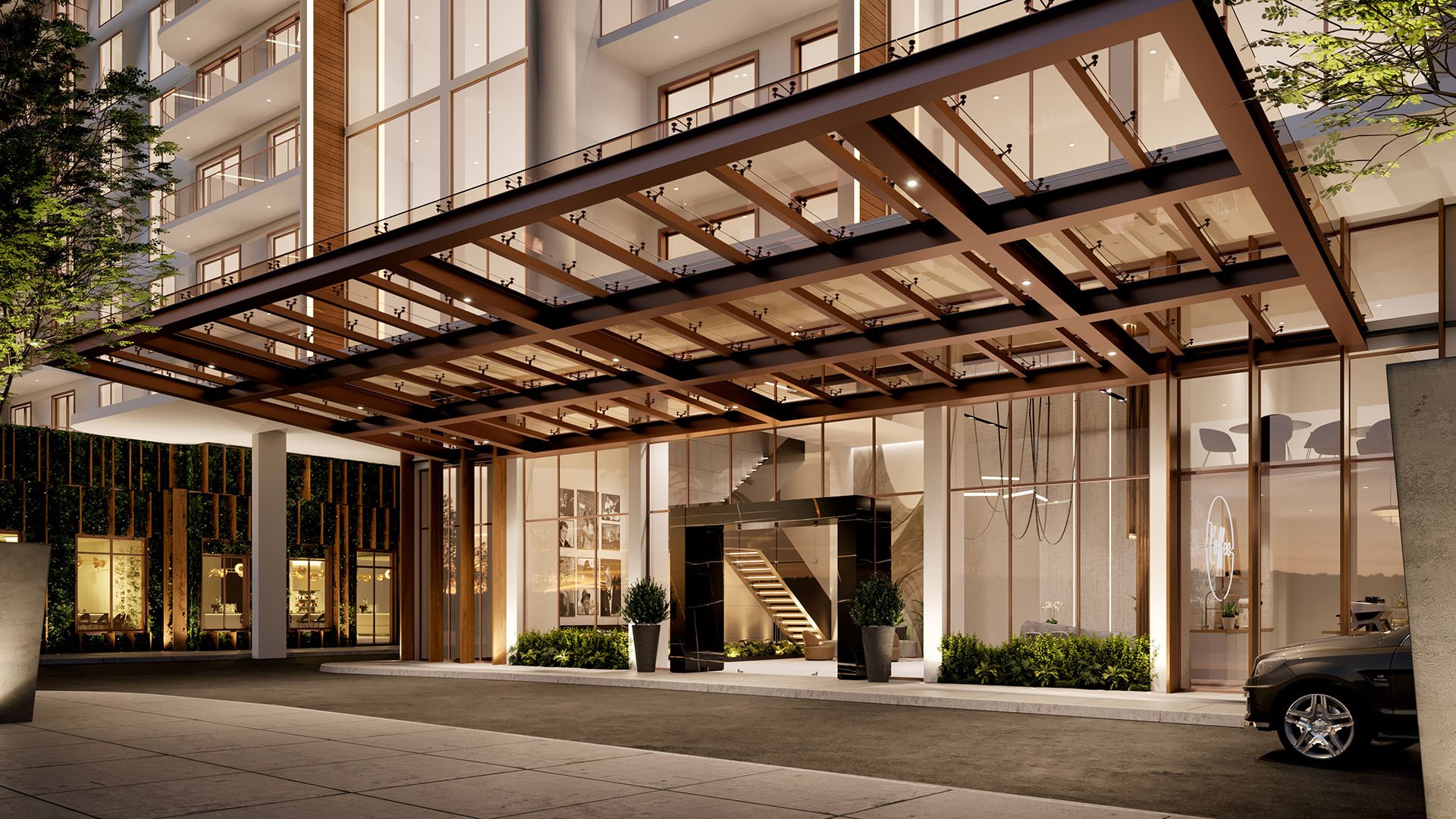
When evaluating Continuum Club & Residences North Bay Village, request the current condominium documents and amenity rules before assigning value to a particular hosting arrangement. The same discipline applies to a Bay Harbor Islands purchase.
Ask whether owners must accompany guests, whether overnight and day visitors are treated differently, and whether reservations, charges or occupancy limits apply. If the residence may be leased, establish whether tenants receive the same privileges and whether owner access changes during a tenancy. These are questions to resolve, not benefits to presume.
North Bay Village’s prohibition on building structures in or over outdoor seating and dining areas on public property is similarly specific. It is not a village-wide ban on cabanas and does not establish condominium guest rules.
Build the comparison around three written confirmations. First, identify the beach or shoreline route, its current operating status and any eligibility requirements. Second, establish the legal basis for each cabana or amenity right. Third, obtain the current rules for everyone who will use the residence: owners, family, guests and potential tenants.
Where an off-site amenity is part of the appeal, request the agreement supporting it, including its duration, costs and termination provisions. Have counsel distinguish a right attached to the residence from an arrangement dependent on separate eligibility or permission. Keep public access separate from private amenity access throughout the review.
If direct Atlantic frontage is non-negotiable, neither municipality satisfies that requirement by location alone. If bayfront living is the priority, both warrant consideration-but the beach component must be assessed separately.
In Bay Harbor Islands, do not assume Bal Harbour privileges follow ownership. In North Bay Village, distinguish shoreline planning from completed access. In either community, let documented cabana and guest rights determine how confidently the residence can support your preferred way of living.
Explore your next South Florida residence with MILLION.
If branded residences are on your mind — as a home or as an allocation — we would be glad to share what we are seeing, privately.
Begin a quiet conversationNo. Its two islands sit in Biscayne Bay, so bayfront ownership should not be confused with direct Atlantic beach frontage.
No. Its three-island setting offers bayfront shoreline rather than an Atlantic beach of its own.
Ownership in Bay Harbor Islands does not itself establish eligibility for Bal Harbour’s resident All Access Card. Confirm eligibility separately before relying on a gated beach route.
No. The path is gated and uses the Bal Harbour All Access Card for entry rather than unrestricted public access.
Bal Harbour prohibits electric mobility devices along its beach path, jetty, cutwalk and 102nd Street Beach Access Path.
Its waterfront planning framework specifies a 10-foot-wide public shoreline walkway and a 5-foot-wide connection from the public right-of-way. These provisions do not establish that a continuous promenade is complete.
Specified open structures, including pool cabanas, may project into rear and side setbacks on West Island waterfront lots, subject to town approval and building-code compliance.
No. Bal Harbour is a separate municipality, and its cabana definition and Ocean Front District setback requirements should not be applied to Bay Harbor Islands.
The public-property outdoor-dining restriction does not establish a blanket cabana ban. It addresses structures in or over outdoor seating and dining areas on public property.
Request the condominium documents, any agreement establishing the cabana right and current amenity rules. Confirm transferability, guest eligibility, reservation requirements and charges before relying on those privileges.