Rosewood Residences Hillsboro Beach pairs an ocean-to-Intracoastal setting with an ambitious advertised service program. For buyers, the essential diligence is determining which promises are contractually defined, how they are funded, and what ownership will actually cost.

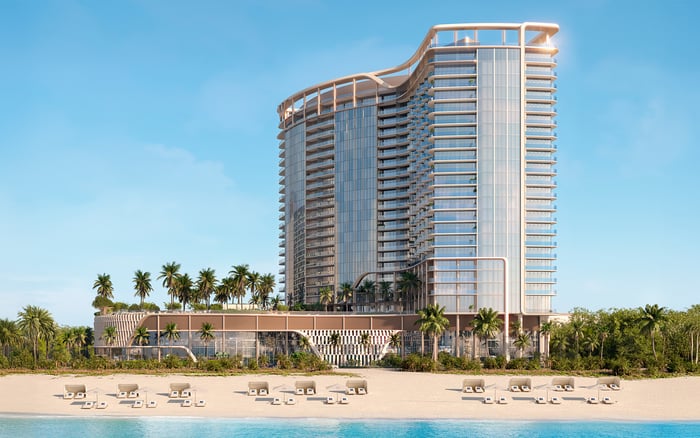
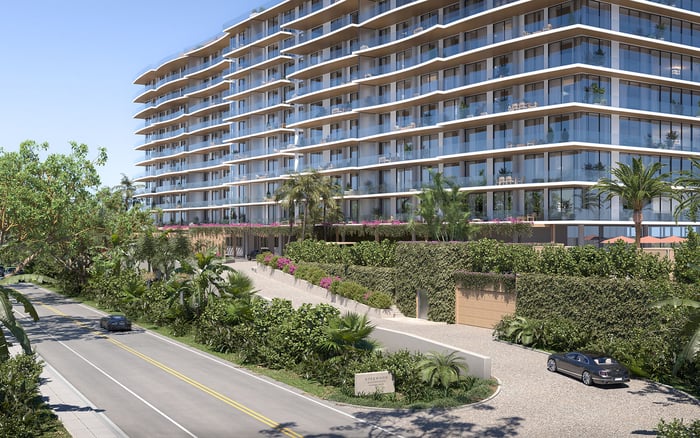
At Rosewood Residences Hillsboro Beach, the proposition begins with geography: an 11.2-acre site at 1180 Hillsboro Mile, extending from the Atlantic Ocean to the Intracoastal Waterway. The planned development comprises 92 residences: 70 oceanfront condominiums in a 10-story building and 22 Intracoastal villas in a three-story building.
The more consequential proposition is service. Butler assistance, a dedicated lifestyle concierge, beach attendance and private dining suggest a home where everyday arrangements recede into the background. Yet an advertised service is not, by itself, a defined ownership right. The quality of the purchase depends on how those expectations translate into agreements, operating responsibilities and recurring costs.
For a discerning buyer, this is not an argument against the brand. It is a way to distinguish an attractive promise from an adequately supported residential experience.
The condominium's legal identity is “1180 Hillsboro Mile Condominium.” Hillsboro Mile Property Owner, LLC is identified as the developer, with Related Group, Dezer Development and Rosewood Hotels and Resorts marks used under license agreements.
That distinction matters. Trademark licensing grants permission to use a name; it does not, on its own, establish the relationship's duration, termination rights or the enforceability of a particular service promise. Buyers should neither assume Rosewood service is guaranteed indefinitely nor conclude that an association could freely dispense with it.
Ask counsel to identify the parties responsible for management, brand standards and service delivery. Review agreement terms, renewal mechanisms, termination triggers and any rights to change the brand. Equally important, determine who can enforce those obligations and what remedies are available if they are not met.
For Broward buyers also considering Four Seasons Hotel & Private Residences Fort Lauderdale, the comparison should begin with each property's documents-not an assumption that familiar hospitality names confer identical ownership protections.
The advertised program encompasses approximately 37,000 square feet of combined oceanfront and Intracoastal amenities and marina offerings. Planned outdoor spaces include oceanfront and sunset pools with sunbeds and cabanas. The beach program includes lounge chairs, umbrellas, towels and beachside food and beverage service.
Recreation extends to tennis, paddle tennis and pickleball courts, plus an on-site racquet-court pro shop. Advertised wellness facilities include separate his-and-hers spas with saunas, hammam, hydro pools and cold plunge pools, alongside a salon, two fitness spaces and a yoga room.
These are distinct operating commitments, not simply entries on an amenity schedule. A pool requires more than construction; an attended pool also requires personnel, supplies and defined hours. Wellness facilities carry their own maintenance and service requirements.
Request a budget that clearly accounts for those responsibilities. Look for staffing, beach and pool attendance, wellness operations, equipment maintenance and transportation costs. Ask how staffing assumptions accommodate simultaneous demand across the oceanfront and Intracoastal portions of the property. Square footage conveys scale; it does not establish service capacity.
The advertised residential program includes butler service, a dedicated lifestyle concierge, 24-hour security and valet, a house car and an on-site general manager. Promoted home-management offerings include cleaning, maintenance, floral services and pantry stocking.
The crucial distinction is between a service being available and its cost being included in base assessments. Some home-management offerings carry an asterisk, but that notation alone does not clarify their conditions or pricing.
Request a written service schedule separating assessment-funded offerings, owner-paid services and third-party arrangements. For each service important to your household, ask about hours, advance notice, availability limits and responsibility for payment. A house car, for example, warrants questions about booking rules and coverage-not an assumption of unrestricted transportation.
A buyer cross-shopping The Ritz-Carlton Residences® Pompano Beach should apply the same inclusion test independently. The useful comparison is the documented service available to the owner at an identifiable cost, not the length of the advertised menu.
Planned dining and social venues include a private oceanfront restaurant, cocktail lounge, bar and grill, and café lounge with a daily breakfast bar. A creamery/sundry shop, in-residence dining and catering are also advertised.
Ask how the dining operation is expected to support itself. Are its costs recovered through purchases, assessments, a subsidy or another arrangement? What hours are contemplated, and who has authority to revise them? A venue's physical presence does not establish the economics of keeping it available.
Apply an equally careful test to the marina and other amenity spaces. Do not assume every advertised facility is association-owned. Counsel should confirm ownership, access rights, operating control and cost allocation, including any separate agreements affecting use. The essential question is whether the access a buyer values is documented on terms that match the intended lifestyle.
Request the declaration, bylaws, current proposed operating budget, assessment schedule, service fee schedule and relevant management and licensing provisions. Read them together: a contractual commitment needs an identifiable funding mechanism, while a budget line does not necessarily create an enforceable service standard.
For major services, look for defined staffing or operating hours, reporting obligations and authority to make changes. Ask which decisions require owner involvement and which rest with management or another party. These are questions for document review, not conclusions to draw from branding.
Test the budget's assumptions as well. How would higher staffing costs affect assessments? Is a restaurant subsidy contemplated? How are expenses allocated between the oceanfront residences and Intracoastal villas? Seek written explanations rather than inferring equal cost exposure from shared branding.
Approximately $307 million in construction financing was disclosed in December 2024. That concerns development funding; it does not guarantee completion or establish funding for future operating services. Keep construction diligence and ownership-cost diligence separate.
Begin with the services that would genuinely change your routine: preparing the residence before arrival, arranging dinner, using the beach or booking wellness time. Trace each through three questions: What is promised? Who must deliver it? How is it paid for?
Rosewood Residences Hillsboro Beach offers an ambitious planned setting for waterfront living. The strongest purchase case is one in which the legal rights, operating budget and owner's expectations describe the same experience. Brand recognition can frame the aspiration; the agreements and funding must support its delivery.
For a discreet discussion of South Florida residential options and buyer priorities, connect with MILLION.
If branded residences are on your mind — as a home or as an allocation — we would be glad to share what we are seeing, privately.
Begin a quiet conversationThe development is planned at 1180 Hillsboro Mile on an 11.2-acre site extending from the Atlantic Ocean to the Intracoastal Waterway.
The plan comprises 92 residences: 70 oceanfront condominiums in a 10-story building and 22 Intracoastal villas in a three-story building.
The condominium is identified as 1180 Hillsboro Mile Condominium. Hillsboro Mile Property Owner, LLC is identified as its developer.
Trademark licensing alone does not establish indefinite service guarantees. Buyers should have counsel review the relevant management and licensing provisions for duration, termination and enforceability.
Advertised services include butler assistance, a dedicated lifestyle concierge, 24-hour security and valet, a house car, and an on-site general manager. Home-management offerings also include cleaning, maintenance, floral services and pantry stocking.
An advertised offering should not be assumed to be assessment-funded. Buyers should obtain a written schedule distinguishing included services, separate charges and third-party arrangements.
The planned program includes oceanfront and sunset pools with sunbeds and cabanas. Advertised beach services include lounge chairs, umbrellas, towels, and beachside food and beverage service.
Request the declaration, bylaws, current proposed operating budget, assessment and service fee schedules, and relevant management and licensing provisions. Counsel should review service-change authority and enforcement rights.
No ownership assumption should be made for the restaurant, marina or other amenity spaces. Confirm legal ownership, access rights, operating control and cost allocation in the applicable documents.
The approximately $307 million in construction financing disclosed in December 2024 concerns development funding. It does not guarantee completion or establish funding for future residential services.