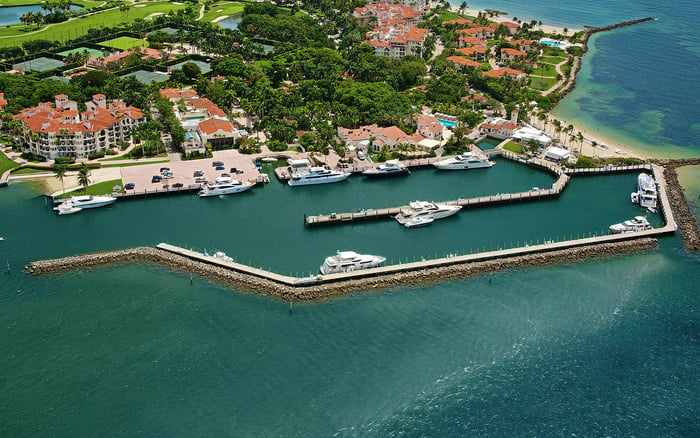
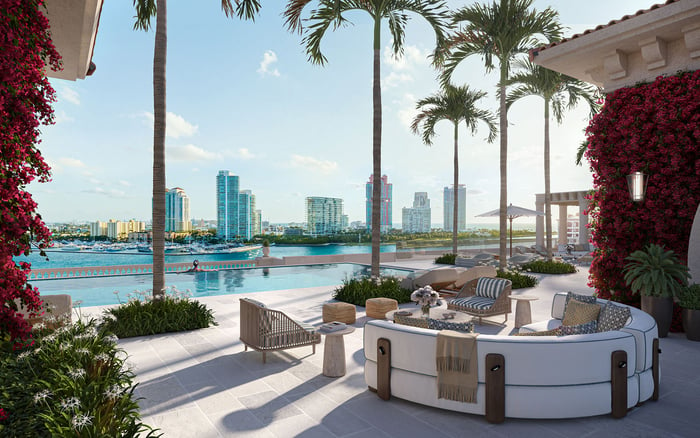
Bal Harbour favors flexible, restaurant-led entertaining and convenient guest arrivals, while Fisher Island prioritizes controlled access, contained social life, and discreet private dining. The decisive question is whether hospitality should connect easily to Miami or remain deliberately separated from it.
For buyers who entertain regularly, Bal Harbour and Fisher Island represent different approaches to hosting. Bal Harbour places the emphasis on flexibility and connection to the surrounding Miami social scene. Fisher Island places greater emphasis on separation, advance coordination, and a contained guest experience.
The better choice is not simply the destination that feels more exclusive. It is the one that supports how an owner prefers an evening to unfold-from the first arrival through dinner, post-event conversation, and departure.
Bal Harbour connects entertaining to Miami, while Fisher Island contains it.
Guest arrival is often the clearest point of distinction. A host who values simple coordination, changing schedules, and the ability to meet at an off-site venue may prefer Bal Harbour. This model can be especially practical when an invitation includes guests coming from different parts of Miami-Dade or following separate itineraries.
Fisher Island may better suit owners who want arrival to feel more deliberate. That approach can reinforce a sense of separation, but it also makes planning more important. Transportation timing, guest access, and last-minute changes should all be considered before choosing a residence primarily for privacy.
Buyers comparing Fisher Island options can review The Links Estates at Fisher Island and The Residences at Six Fisher Island as part of a broader assessment of how controlled arrival fits their lifestyle.
Bal Harbour is well aligned with owners who want a residence to connect easily with restaurant-led evenings and other off-site plans. A gathering can begin at home, continue elsewhere, and conclude privately without requiring every part of the occasion to occur in one setting.
This flexibility matters for hosts whose guest lists may include business contacts, visiting friends, or attendees balancing multiple commitments. It also allows the host to choose a format based on the occasion rather than relying on a single entertaining environment.
For buyers considering Rivage Bal Harbour, the key question is how the residence would function within that wider hosting pattern. The home may serve as the private anchor for an evening even when dinner or another gathering takes place elsewhere in Bal Harbour.
Fisher Island is better suited to buyers who prefer entertaining to remain within a more controlled setting. Instead of building an evening around movement between multiple public venues, a host may prioritize a stable invitation list, fewer transitions, and a stronger boundary between the gathering and the surrounding city.
That contained rhythm can be particularly appealing when discretion matters more than spontaneity. It may also suit owners who are comfortable arranging details in advance and who see coordination as part of creating a more intentional guest experience.
The trade-off is reduced flexibility. Last-minute additions, staggered arrivals, or guests with tightly packed schedules may require more attention. Buyers should decide whether that planning feels burdensome or whether it supports the atmosphere they want to create.
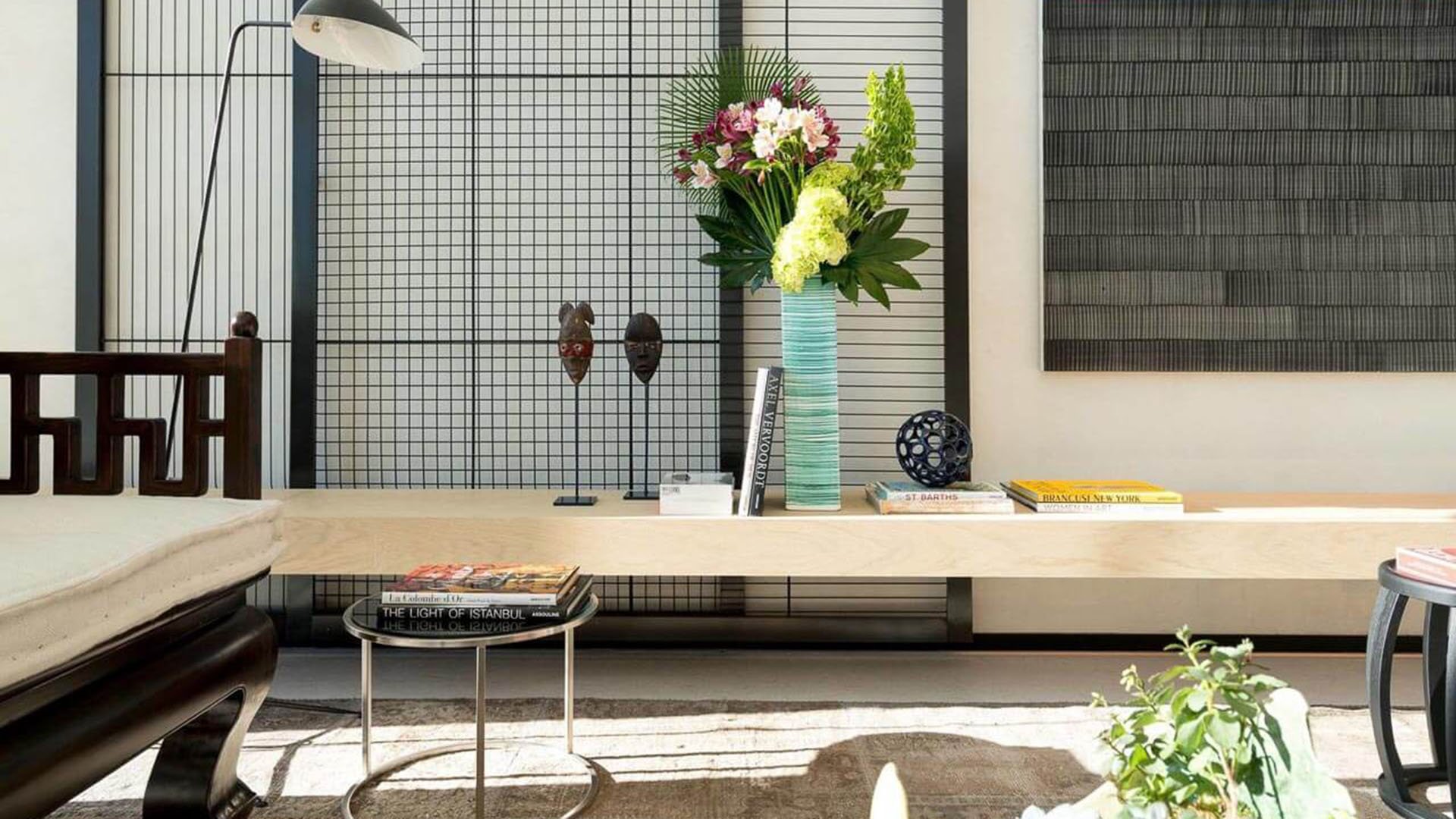
Private dining requirements differ widely. Some owners need a quiet room for a small personal dinner. Others want a residence that can support family celebrations, business meals, or pre-event gatherings. The number of guests matters, but so do arrival visibility, acoustic separation, service flow, and the route between dining and living areas.
In Bal Harbour, buyers can evaluate how easily a residence works with nearby off-site dining and how smoothly guests can transition between public and private settings. On Fisher Island, the more relevant question may be whether the surrounding environment supports an evening that remains contained from arrival through departure.
A property tour should therefore go beyond the appearance of a dining room. Buyers should ask where guests wait, how service enters, whether private and household circulation overlap, and how the space functions when plans change. These practical details often shape entertaining more than décor alone.
South Florida’s busiest cultural, sporting, and commercial periods can amplify the differences between convenience and separation. Bal Harbour may suit hosts who need adaptable schedules and easy movement between appointments, dinners, and residences. The corresponding challenge is maintaining discretion while operating near a more active public scene.
Fisher Island may appeal to hosts who want greater distance from that activity. The corresponding challenge is coordination: a controlled setting works best when the guest list and schedule are settled in advance.
Neither model removes the need for thoughtful planning. Privacy depends on the complete sequence of an occasion, including invitations, arrivals, waiting areas, service access, transportation, and departures. Buyers should avoid assuming that a prestigious location alone will manage those details.
A useful comparison begins with a typical evening rather than an abstract idea of luxury. Buyers should consider how often they entertain, whether guests are local or visiting, how frequently plans change, and whether most gatherings are intimate, professional, or celebratory.
Bal Harbour is generally the more natural fit for owners who value flexibility and a fluid relationship between home and the surrounding social scene. Fisher Island is generally the stronger fit for owners who value separation and are willing to plan more deliberately to achieve it.
The final decision should reflect repeated behavior rather than a single exceptional event. A residence that supports ordinary dinners, visiting family, and routine guest arrivals will usually be more satisfying than one chosen only for its ability to handle an occasional major gathering.
For a private consultation on choosing the South Florida residence that best fits your entertaining style, connect with MILLION.
If branded residences are on your mind — as a home or as an allocation — we would be glad to share what we are seeing, privately.
Begin a quiet conversationBal Harbour generally better suits hosts who expect changing schedules or guests arriving from different parts of Miami-Dade.
Fisher Island generally aligns more closely with owners who prioritize separation, advance coordination, and a contained social setting.
It can support private entertaining, but a more controlled setting may require greater attention to guest access and transportation planning.
Yes. Bal Harbour suits owners who want their residence to connect fluidly with off-site dining and other social plans.
Buyers should consider guest flow, acoustic separation, service access, waiting areas, and the relationship between dining and living spaces.
Bal Harbour may be preferable when flexible arrivals and multiple off-site commitments matter. Fisher Island may be preferable when a stable guest list and greater separation are the priorities.
They should map invitations, transportation, arrivals, service access, and departures before selecting a hosting format.
No. Privacy depends on how the residence, arrival sequence, venue choice, and guest management work together.
Bal Harbour emphasizes flexibility and connection, while Fisher Island emphasizes separation and more deliberate coordination.
Buyers should compare each location against their recurring hosting habits rather than focusing on a single exceptional occasion.