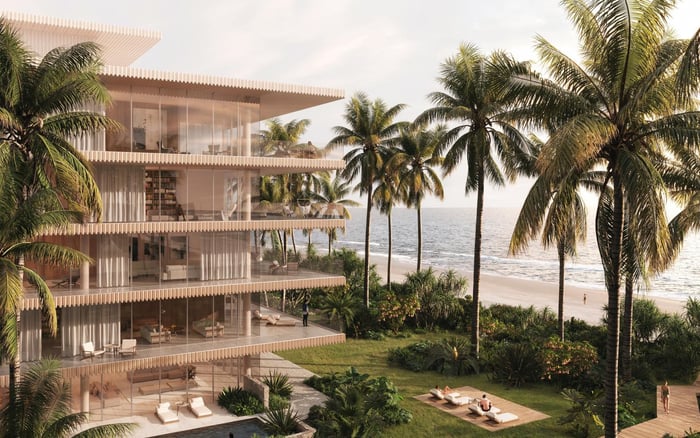
Banyan Tree Residences West Palm Beach pairs an exacting design pedigree with an ambitious wellness program. For buyers, however, the decisive diligence lies in the condominium documents, initial budget, reserve assumptions, shared-facilities structure and the precise obligations of each project counterparty.
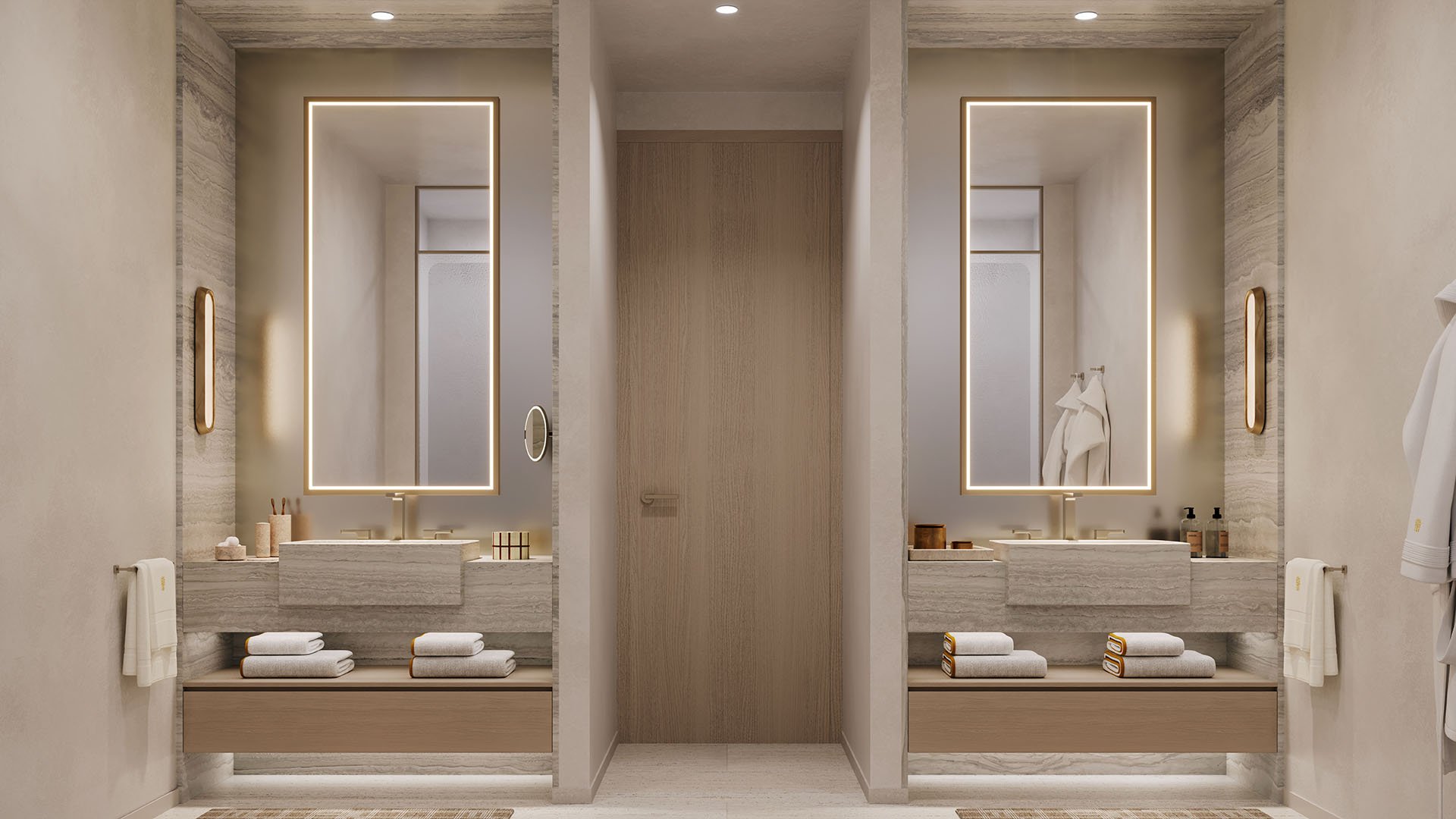
Banyan Tree Residences West Palm Beach presents a compelling proposition: a planned 25-story, 88-residence condominium at 400 Hibiscus Street, with pricing expected to begin at approximately $1.9 million. As Banyan Group's first U.S. residential project, the tower also holds particular significance within the expanding field of branded residences.
The creative credentials are unusually polished. OMA New York is responsible for the architecture, Yabu Pushelberg for the interiors and Enea Landscape Architecture for the landscape design. The proposed one- to four-bedroom homes are planned as corner residences, with wraparound terraces and panoramic exposures. The wellness program extends from a resort-style pool and spa to treatment rooms, cryotherapy, a hammam, meditation areas and the private Sanctuary Club.
These elements can shape daily life and long-term desirability. They do not answer the central questions of ownership: who controls the association, how expenses are allocated, whether budgets are realistic and how reserves will be funded as the building matures.
A luxury residence is also a long-duration interest in a shared operating enterprise.
Mast Capital and Curated JCZM Development are developing the project in collaboration with Banyan Group. The condominium's legal developer is 400 Hibiscus Acquisitions, LLC. That distinction matters: the hospitality brand, development principals, legal developer and eventual condominium association do not necessarily make the same promises or carry the same obligations.
Buyers should identify which entity stands behind construction warranties, pre-opening commitments, management standards and branded services. The condominium declaration, management agreements, purchase contract and any brand or licensing documents should be read together. A recognizable name is a powerful signal of positioning, not a blanket guaranty.
The same discipline applies when comparing other hospitality-led offerings in West Palm Beach, including Mandarin Oriental Residences, West Palm Beach and The Ritz-Carlton Residences® West Palm Beach. The relevant question is not simply which brand resonates, but what the binding documents require, who must perform and what remedies owners retain.
The proposed amenity package carries costs beyond structural reserves. Buyers should examine the initial association budget for staffing, spa equipment, pools, waterproofing, HVAC, valet operations, security and private-club expenses. The issue is not whether these services are worthwhile. It is whether the budget supports the service level being marketed-and whether early projections remain credible after turnover.
A rigorous review separates recurring operations from periodic capital replacement. Payroll, utilities, routine maintenance and service contracts belong to a different analytical category from replacing mechanical equipment, renewing waterproofing or addressing major building components. A low first-year assessment can be attractive, but it has limited meaning without assumptions for inflation, staffing and future maintenance.
This is where design and architecture must be evaluated as an operating system, not merely an aesthetic achievement. Highly programmed amenities may elevate the experience while introducing additional equipment, specialized labor and maintenance cycles. Buyers considering wellness-oriented alternatives such as Mr. C Residences West Palm Beach should apply the same test to each offering.
Florida Statutes Chapter 718 governs condominium association authority, owner rights, budgets and reserves. For qualifying condominium buildings of three stories or more, the state's structural-integrity regime requires Structural Integrity Reserve Studies. A planned 25-story tower falls within that category. These studies must be repeated at least every 10 years and address specified structural components.
Associations subject to these requirements cannot simply waive or reduce required funding for covered components to suppress assessments. Reserve funds and accrued interest generally must remain in reserve accounts and be used for authorized reserve expenditures unless another use receives the required owner approval. Florida law also permits reserve and operating funds to share an investment vehicle for investment purposes, making precise accounting and reporting particularly important.
Mandatory funding is valuable, but it does not eliminate uncertainty. Component lives, construction costs and inflation assumptions can change. Actual repairs may exceed forecasts, while unexpected defects can still produce special assessments. Buyers should ask not only whether reserves exist, but how the assumptions were established, how shortfalls will be disclosed and what remedies apply if projections prove inadequate.
The current plan includes a 183-space garage, an approximately 5,700-square-foot private club, more than 6,600 square feet of ground-floor commercial space and roughly 4,600 square feet of rooftop restaurant space. This mix can animate the property and enrich the resident experience. It also makes cost allocation a material diligence issue.
Owners should understand how residential, commercial, restaurant, parking and club users divide expenses for elevators, insurance, utilities, security, structural components and restaurant-related infrastructure. Shared-facilities agreements should define decision rights, maintenance duties and the methods for allocating routine expenses and major repairs. Exclusive access and exclusive benefit do not always translate into exclusive cost.
The downtown location and mixed-use program may be central to the tower's appeal. Yet the governance structure should reveal whether residents have meaningful oversight when shared components affect assessments, service quality or access. For an investment measured in both lifestyle and capital preservation, these provisions can be as consequential as orientation or terrace depth.
The proposal has received unanimous approval from the West Palm Beach Downtown Action Committee, including a 5.5 floor-area ratio through Transfer of Development Rights. The approximately 0.85-acre site was acquired for about $5.2 million in early 2025. These details establish context, but a pre-construction purchaser still needs a document-led review tailored to the final offering.
Counsel and financial advisers should examine the declaration, bylaws, initial budget, reserve methodology, management arrangements, insurance provisions, shared-facilities agreements and developer-turnover mechanics. Buyers should also compare marketed services with contractual commitments, identify termination rights and note any provisions governing changes to amenities or operating standards.
The strongest conclusion is not skeptical of luxury; it is exacting about what sustains it. Banyan Tree's brand, OMA's architecture and Yabu Pushelberg's interiors may create an exceptional setting. Transparent governance, intelligible cost allocation and well-reasoned reserves will determine whether that setting can be maintained without avoidable financial friction.
For discreet guidance on South Florida's most distinguished residential opportunities, connect with MILLION.
If branded residences are on your mind — as a home or as an allocation — we would be glad to share what we are seeing, privately.
Begin a quiet conversationIt is a planned 25-story, 88-unit branded condominium at 400 Hibiscus Street in downtown West Palm Beach and Banyan Group's first U.S. residential project.
Mast Capital and Curated JCZM Development are developing it in collaboration with Banyan Group. The legal developer is 400 Hibiscus Acquisitions, LLC.
OMA New York is the architect, Yabu Pushelberg is designing the interiors and Enea Landscape Architecture is handling the landscape design.
The proposed one- to four-bedroom residences are planned as corner units with wraparound terraces and panoramic exposures.
Plans include a resort-style pool, spa, treatment rooms, cryotherapy, hammam, meditation areas and the private Sanctuary Club.
The legal developer, hospitality brand, association and development principals may have different contractual duties. Buyers should identify which party provides each warranty, service and remedy.
No. Mandatory structural-reserve funding can reduce underfunding, but unexpected defects or repairs exceeding forecasts can still result in special assessments.
For qualifying buildings, Structural Integrity Reserve Studies must be repeated at least every 10 years and cover specified structural components.
The planned residences, commercial space, rooftop restaurant, garage and private club may share infrastructure and expenses. The agreements should clearly allocate costs, duties and decision rights.
Review the purchase contract, condominium documents, initial budget, reserve methodology, management terms, insurance provisions, shared-facilities agreements and turnover mechanics with qualified advisers.