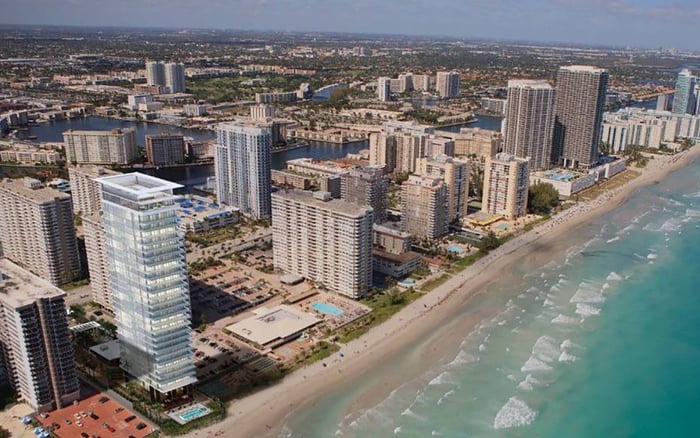
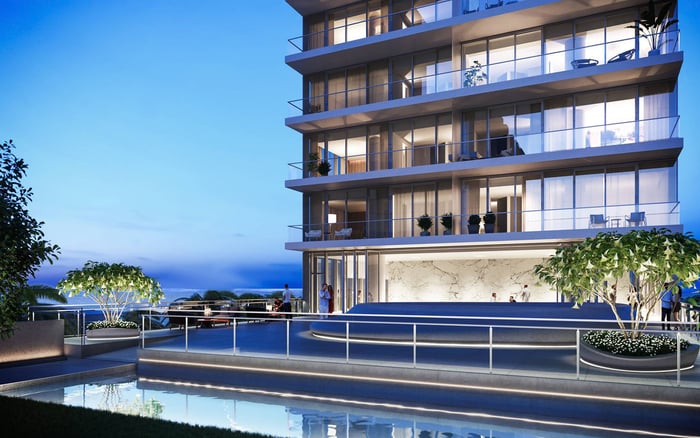
For Seattle buyers, the right Hallandale Beach purchase structure depends less on wealth than on timing, liquidity, intended use, reserves, and the next move in the broader portfolio.
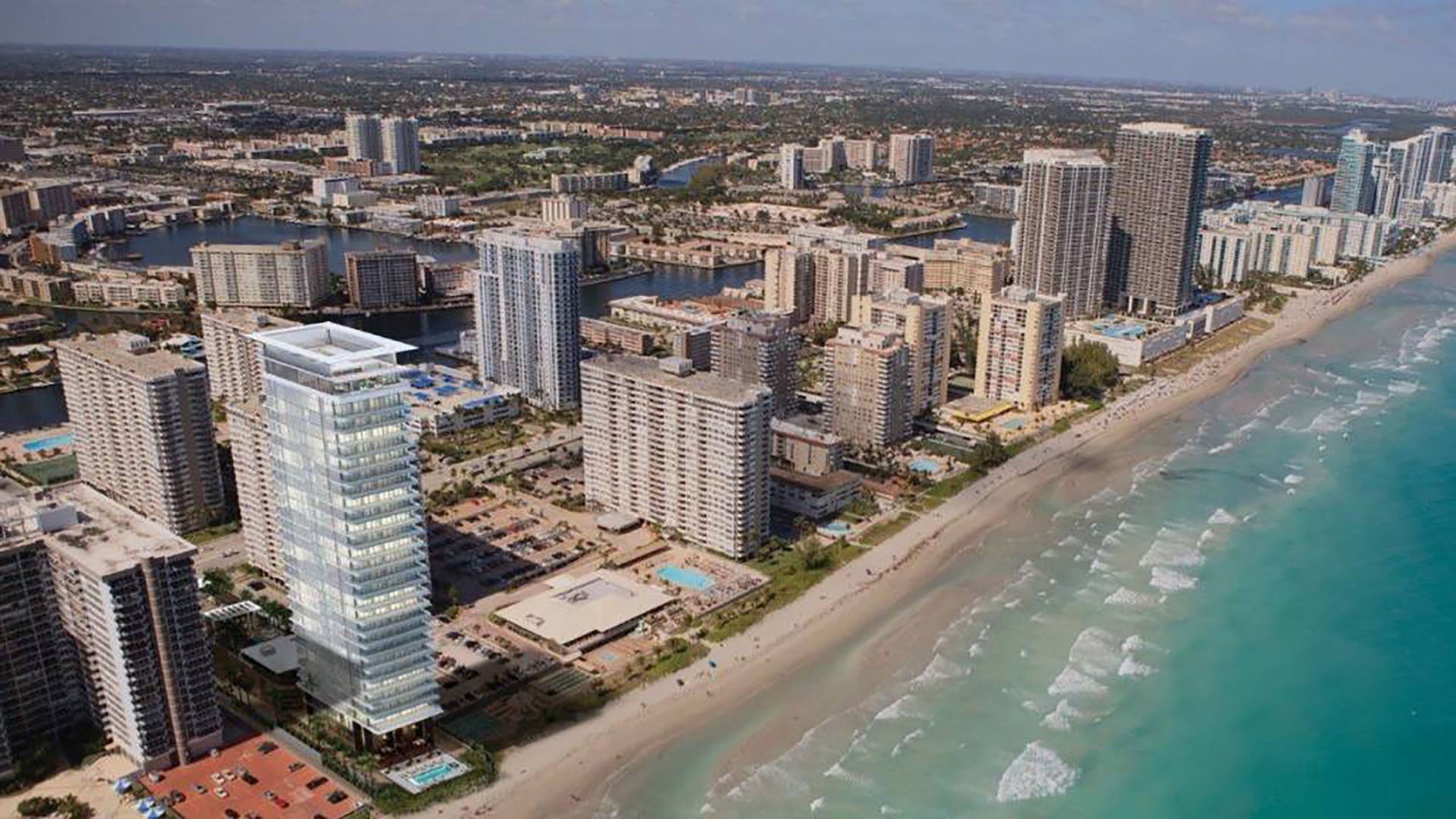
For a Seattle buyer acquiring a residence in Hallandale Beach, the central question is not whether cash is inherently superior to debt. It is which structure gives the buyer greater control over the transaction, the property, and the capital that remains after closing.
Cash removes mortgage underwriting and financing contingencies. Execution can be faster and simpler, with some cash transactions closing in 7 to 14 days. That certainty matters when a seller prioritizes a clean contract, compressed timing, or lower execution risk.
Yet speed carries an opportunity cost. An all-cash purchase concentrates substantial capital in one residence, potentially leaving less available for reserves, improvements, or another acquisition. Portfolio financing reverses that emphasis: the buyer accepts a more involved process and potentially higher borrowing costs in exchange for retained liquidity and future purchasing capacity.
Cash is most compelling when timing and certainty are strategic assets. It can be particularly effective in a fast transaction or distressed opportunity where lender requirements could delay or complicate closing. The buyer avoids appraisal coordination, document review, underwriting, and lender approval as conditions of settlement.
That simplicity can matter across markedly different Hallandale Beach options. A buyer considering 2000 Ocean Hallandale Beach may assess an oceanfront residence differently from an ownership opportunity at Shell Bay by Auberge Hallandale, yet either contract may reward certainty when deadlines are tight.
Cash should not, however, mean committing every readily available dollar. Florida ownership carries ongoing obligations, including insurance, property taxes, and HOA dues where applicable. A disciplined cash buyer maintains appropriate reserves for those expenses, along with furnishing, renovations, and unforeseen ownership needs.
A portfolio loan is a mortgage retained by the lender rather than sold into the secondary mortgage market. Because the lender sets its own underwriting criteria, the structure can accommodate borrowers or properties that fall outside conforming rules.
That flexibility is not uniform. Portfolio loans generally carry higher interest rates than conforming mortgages, while program terms vary by lender and property. Some programs may require down payments of 15% to 30%, and certain offerings accept credit scores around 580 to 620. These ranges are not universal and should never replace a property-specific proposal.
Some investor-focused products also offer streamlined documentation and may not require tax returns or traditional income verification. One product permits as many as 20 properties under a single portfolio loan and monthly payment, compared with its stated conventional limit of 10 properties. Such features can be useful, but they are product-specific-not a general promise of portfolio lending.
For a Seattle owner adding a South Florida asset rather than relocating, liquidity may hold value across the broader investment portfolio. Financing can preserve capital for another acquisition, a business need, or reserves across multiple homes. The trade-off is a more involved closing that includes appraisal, underwriting, document review, and lender coordination.
Evaluate the residence before selecting the financing. Intended use, ownership entity, condo or HOA eligibility, contract deadlines, and reserve requirements can materially affect what is practical. A second-home plan may lead to a different capital decision than a pure investment or future primary residence.
The holding period matters as well. The longer the expected ownership, the more important it becomes to weigh cumulative financing costs against the long-term value of retained liquidity. A buyer anticipating another purchase may favor financing because committing all available cash to Hallandale Beach could constrain the next move.
Geographic alternatives can further sharpen the decision. A buyer comparing Broward options such as Auberge Beach Residences & Spa Fort Lauderdale, or looking south toward Bentley Residences Sunny Isles, may need capital available for a second waterfront opportunity. In that context, leverage is not merely a means of completing one purchase. It is a tool for preserving choice.
Begin with the contract. If securing the residence depends on speed, minimal contingencies, and closing certainty, cash may offer the clearest strategic advantage. If the seller accepts a financed timeline, liquidity warrants greater weight.
Next, separate purchase funds from ownership capital. Estimate the cash needed after closing for insurance, property taxes, HOA dues, improvements, and reserves. Then assess alternative uses for the remaining capital and the cost of making that cash available.
Finally, evaluate the full financing proposition rather than the interest rate alone. Review the down payment, documentation, appraisal process, property eligibility, ownership structure, prepayment terms, and closing schedule. One flexible approach is to purchase with cash for certainty, then seek financing later if rates or valuations become more favorable. Because later financing is not guaranteed, the initial purchase must remain sound without it.
The refined choice is between competing forms of flexibility. Cash creates contractual flexibility through speed and certainty. Portfolio financing creates balance-sheet flexibility through liquidity, leverage, and future acquisition capacity.
Is cash always stronger for a Hallandale Beach purchase? No. Cash enhances speed and certainty, but financing may better preserve liquidity and future purchasing capacity.
How quickly can a cash purchase close? Some cash transactions may close in 7 to 14 days, subject to the contract and closing requirements.
What does a portfolio lender do differently? It retains the mortgage and sets its own underwriting criteria rather than relying solely on conforming-loan rules.
Are portfolio loans less expensive than conforming mortgages? Not generally. Their flexibility often comes with higher interest rates, although terms vary by lender and property.
What down payment should a buyer expect? Some programs range from 15% to 30%, but the actual requirement depends on the lender, borrower, and residence.
Can portfolio financing simplify documentation? Certain investor-focused products offer streamlined documentation and may not require traditional income verification or tax returns.
Which continuing Florida costs belong in the cash analysis? Insurance, property taxes, HOA dues, improvements, and prudent reserves should be considered before committing capital.
Does a longer holding period favor financing? Not automatically. It makes the comparison between cumulative borrowing costs and the value of retained liquidity more important.
Can a buyer pay cash and finance later? Yes. That can be a flexible approach, but later approval, pricing, and valuation should not be assumed.
What should determine the final choice? Property purpose, holding period, contract timing, eligibility, reserve needs, alternative uses of cash, and future acquisitions should guide the decision.
To compare the best-fit options with clarity, connect with MILLION.
If branded residences are on your mind — as a home or as an allocation — we would be glad to share what we are seeing, privately.
Begin a quiet conversation