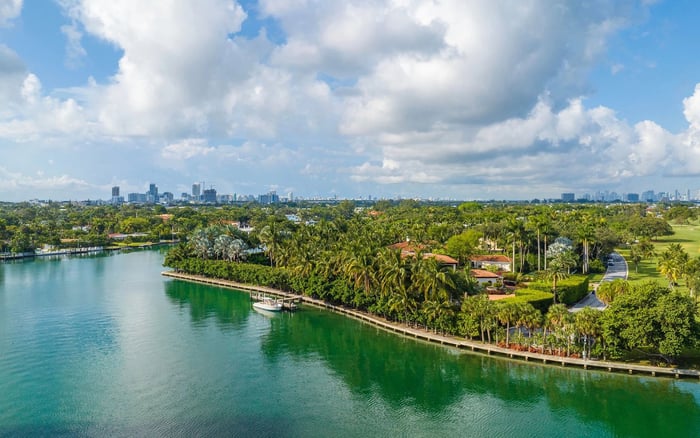
Bay Harbor Islands buyers should distinguish water views from enforceable boating rights, then examine association documents, insurance, reserves, and storm procedures before treating waterfront status as settled value.
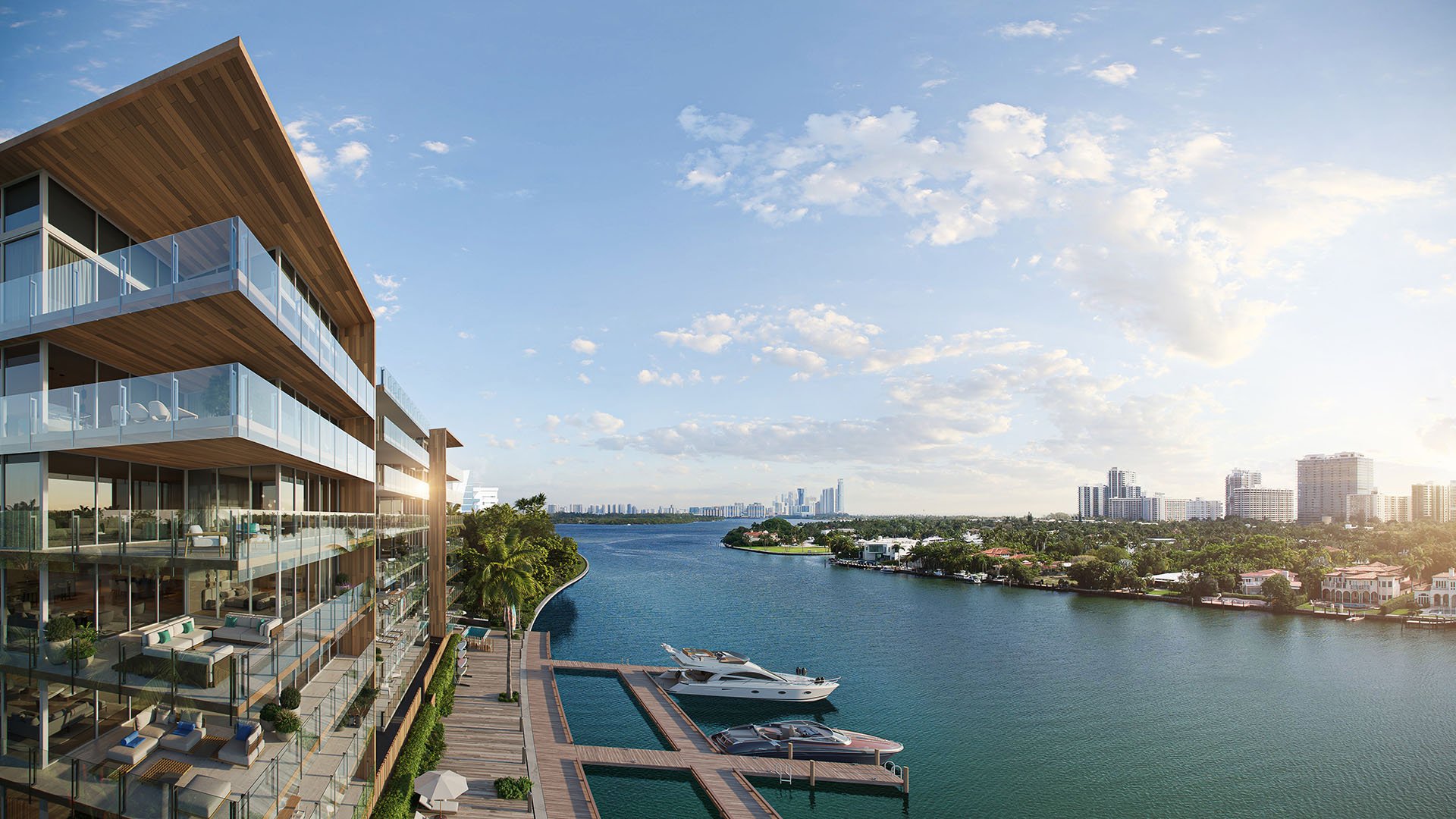
Bay Harbor Islands luxury residences can place very different responsibilities on buyers. A condominium purchase involves governing documents, association rules, budgets, insurance arrangements, and shared systems. A waterfront house generally requires direct review of the residence and relevant exterior improvements.
Neither form of ownership is inherently preferable. The central question is which rights, duties, and risks accompany the particular property. That analysis should begin before presentation materials or waterfront language shape the buyer’s valuation.
Waterfront value may involve several distinct elements, including outlook, frontage, marina privileges, and a specific slip or dock right. One does not automatically establish another. A buyer should therefore identify what is included with the residence and which documents control its use.
Listings such as La Maré Bay Harbor Islands and Bay Harbor Towers can serve as starting points for comparing residences, but the applicable contracts and governing documents should determine the scope of any waterfront benefit.
Questions should cover whether access is assigned, deeded, licensed, shared, separately acquired, or subject to availability. Buyers should also establish whether a right follows the residence upon resale and whether separate approvals or charges apply.
A boat-slip or dock review should address dimensions, vessel restrictions, water depth, access, utilities, fees, maintenance, and transfer rights. The buyer should identify who controls the facility, who authorizes repairs, and how shared expenses are allocated.
Storm procedures belong in the same inquiry. Written materials should clarify whether vessels must be moved, who may restrict marina access, how equipment is secured, and which party bears responsibility for preparation and restoration. Marketing descriptions cannot replace controlling documents.
The same disciplined review applies when considering La Baia North Bay Harbor Islands. Any marina-related benefit should be evaluated alongside the residential purchase rather than treated as a later operational detail.
For vertical luxury, buyers should request the declaration, budget, reserve information, insurance summaries, available inspection materials, meeting records, and disclosed assessments. The objective is to understand the association’s financial position and the division of responsibility following a disruptive event.
Emergency power also requires precise review. A buyer should determine which building systems receive backup service without assuming that the residence itself will remain fully powered. Flood-response procedures, water-removal arrangements, access controls, and resident communications deserve similar attention.
A residence at Onda Bay Harbor should receive the same document-based assessment. A property’s age or presentation does not, by itself, establish its insurance terms, severe-weather performance, or boating rights.
Storm planning should be specific to the property. Buyers should confirm applicable flood information, available coverage, deductibles, exclusions, and the division between association and owner insurance. Condominium purchasers should clarify responsibility for building components, interior finishes, personal property, and temporary relocation. House buyers should broaden the physical review to relevant exterior and waterfront elements.
Post-storm decision-making matters as well. Questions may include who can access the property, authorize emergency work, coordinate vendors, manage debris removal, handle claims, and approve shared expenditures. Seasonal owners should also establish reliable local oversight, access permission, furnishing-storage plans, and a clear communication chain.
A compelling view can carry substantial lifestyle value, while a transferable slip or private dock can provide a different form of utility. Buyers should avoid blending those benefits into one assumption. Each should be evaluated according to its legal basis, practical usability, cost, and continuing obligations.
Early review creates room to compare residences on consistent terms and identify unanswered questions before commitment. The strongest analysis distinguishes what can be enjoyed visually, used operationally, and controlled legally.
Does a water view include boating rights? No. A view alone does not establish marina access, an assigned slip, or a deeded interest.
What should a buyer confirm about a marina slip? Confirm dimensions, vessel limits, availability, fees, transferability, utilities, maintenance duties, and storm rules in writing.
Are all Bay Harbor Islands waterfront properties structured alike? No. Ownership structures and the associated rights and responsibilities can differ by property.
Why does slip availability matter? Waterfront ownership does not necessarily guarantee vessel accommodation, so availability and allocation should be documented.
Which association records deserve early review? Review governing documents, insurance information, reserves, budgets, available inspections, assessments, and meeting records.
Does newer construction eliminate storm-related due diligence? No. Buyers should still verify coverage, emergency systems, flood-related information, and property-specific procedures.
What should be checked about emergency power? Determine exactly which building systems and residential functions, if any, receive backup power.
How should a waterfront house be evaluated? Review the residence together with relevant exterior improvements, drainage, insurance, maintenance duties, and vessel limitations.
What matters for a seasonal owner? Establish local oversight, access authority, preparation duties, and a reliable communication plan.
When should waterfront and storm review begin? It should begin before the buyer treats waterfront features or preparedness claims as settled benefits.
If you'd like a private walkthrough and a curated shortlist, connect with MILLION.
If branded residences are on your mind — as a home or as an allocation — we would be glad to share what we are seeing, privately.
Begin a quiet conversation