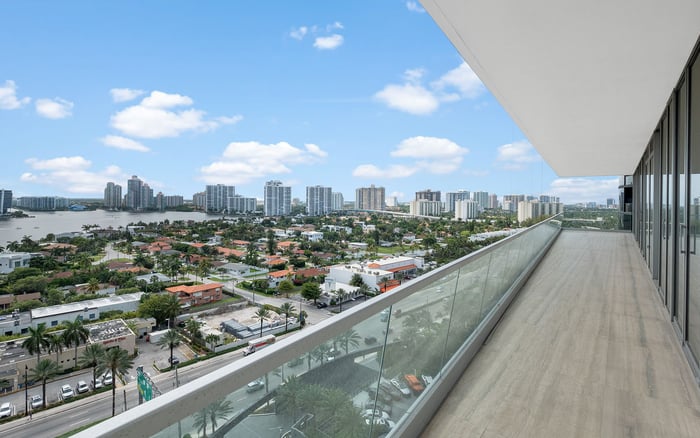
A cash offer can streamline a Sunny Isles Beach purchase, but it does not remove the need to examine a condominium’s governance, finances, reserves, structural records, insurance, litigation, assessments, and use restrictions before closing.

In Sunny Isles Beach, a cash contract offers an elegant advantage: fewer lender-related steps and greater control over timing. Yet speed is a negotiating feature, not a substitute for understanding the acquisition. A condominium purchase encompasses both a private residence and a financial relationship with the association responsible for the building.
That distinction matters throughout the oceanfront market, whether a buyer is considering a resale residence or comparing it with newer options such as Bentley Residences Sunny Isles. Cash may simplify the mechanics of closing, but it does not eliminate exposure to reserve shortfalls, special assessments, structural work, rising insurance costs, litigation, or use restrictions.
Sophisticated buyers should therefore preserve sufficient time for legal, financial, insurance, and engineering professionals to interpret material findings before contingencies are waived.
A buyer of a Florida condominium resale should receive the declaration, articles of incorporation, bylaws, rules, annual financial statement, and annual budget. When applicable, the package should also include the latest milestone-inspection summary and current Structural Integrity Reserve Study, commonly called the SIRS.
Each document answers a different question. Governing instruments define rights and restrictions. Budgets and financial statements reveal how the association funds operations. Reserve materials address anticipated major repairs and replacements. Milestone and engineering records may identify mandated work, unresolved life-safety concerns, and the contemplated scope of repairs.
The same discipline applies when evaluating distinctive buildings such as Jade Signature Sunny Isles Beach. Architecture, views, and service may create the initial appeal, but association records help define the ownership experience after closing.
The latest annual budget should be reviewed alongside interim financial statements and reserve balances. The objective is not merely to confirm the current monthly fee. It is to determine whether known or foreseeable obligations appear adequately funded-and whether a seemingly attractive carrying cost may be vulnerable to future adjustment.
An estoppel or resale certificate can identify association fees, outstanding balances, and current or pending assessments. Buyers should also request the special-assessment history and current operating costs. Together, these records can distinguish a planned capital program from an unexpected financial burden.
Board minutes from the previous 12 to 24 months merit close attention. Discussions of proposed assessments, major capital projects, disputes, or other pending costs may appear there before their effect is fully reflected in the headline budget. For an investment or second-home purchase, that forward view can be as consequential as the condition of the residence itself.
A current SIRS, milestone-inspection materials, engineering reports, and structural-recertification records should be assessed as a connected file. The essential questions are what work has been identified, how urgent it is, its expected scope, how it will be funded, and whether significant issues remain unresolved.
Master insurance declarations add another layer. Coverage limits, deductibles, and premium history can affect both direct risk and future association fees. An insurance professional can help determine whether building-level coverage aligns with the buyer’s planned unit policy and personal risk tolerance.
Association litigation also warrants investigation, including construction-defect and insurance disputes. Litigation can create legal expense, uncertainty, and additional financial exposure for owners. This scrutiny should remain rigorous even when reviewing a prominent address such as The Ritz-Carlton Residences® Sunny Isles.
Due diligence is not limited to financial defense; it should also confirm that the property suits its intended use. Buyers should consider building age, renovations, reserve funding, service levels, beach access, parking, insurance, and taxes, then weigh those factors against personal priorities.
Minimum lease terms and other rental restrictions are especially important. Cash ownership does not override association rules. A buyer anticipating seasonal occupancy, future leasing flexibility, or a particular approach to guest use should have the governing documents reviewed before committing.
Even cash purchasers can benefit from confirming whether a building qualifies for conventional or government-backed financing. Eligibility concerns may signal broader project risk and influence the future pool of buyers. The issue remains relevant even when the present acquisition has no loan.
The strongest cash offer is not necessarily the one with the fewest protections. It is the one that pairs credible timing with a defined review process. Document-delivery dates, inspection access, professional review, and contingency deadlines should be coordinated from the outset.
The principle is consistent: compress administration where appropriate, but never compress judgment. Whether considering Turnberry Ocean Club Sunny Isles or another Sunny Isles residence, the goal is a closing whose speed reflects preparation rather than omitted inquiry.
Does paying cash replace Florida condominium disclosures? No. Cash removes lender-related steps, but it does not replace required disclosures or the review of legal, financial, and structural records.
Which governing documents should a resale buyer receive? The package should include the declaration, articles of incorporation, bylaws, rules, annual financial statement, and annual budget.
What does an estoppel or resale certificate show? It can identify association fees, outstanding balances, and current or pending assessments associated with the unit.
Why should buyers review the SIRS? The SIRS helps buyers understand reserve planning for major building components and potential funding pressure.
How much board-minute history is useful? Reviewing the previous 12 to 24 months may reveal proposed assessments, capital projects, disputes, or other pending costs.
What should be examined in the master insurance declarations? Buyers should examine coverage limits, deductibles, and premium history that could affect risk and future association fees.
Can engineering records reveal future expenses? Yes. Engineering, recertification, and milestone materials can disclose mandated repairs, unresolved safety issues, and the required scope of work.
Why investigate association litigation? Construction-defect and insurance disputes can increase uncertainty, legal expense, and owners’ potential financial exposure.
Do rental restrictions apply to cash owners? Yes. Minimum lease terms and other association rules apply regardless of how the residence was financed.
Should a cash buyer check the building’s financing eligibility? Yes. Eligibility issues may indicate broader project risk and affect the future resale market.
For a discreet conversation and a curated building-by-building shortlist, connect with MILLION.
If branded residences are on your mind — as a home or as an allocation — we would be glad to share what we are seeing, privately.
Begin a quiet conversation