Canadian buyers are again a defining force in South Florida’s luxury condo market, with demand that is often cash-led and shaped by lifestyle flexibility and potential rental use. As ownership costs rise and condo reforms put greater emphasis on reserves, inspections, and governance, building quality has become a decisive part of underwriting. For many cross-border purchasers, the new playbook is straightforward: prioritize well-capitalized associations, buy for optionality, and plan the exit early.
Canadian buyers are again a visible force in South Florida residential real estate. In a market increasingly defined by condominiums, cash offers, and flexible-use ownership, many Canadian purchasers underwrite not only the residence-but the building’s financial and operational health.
Today’s decision-making is less about “Will it appreciate?” and more about “Will it own cleanly?” That means sharper attention to insurance, reserves, governance, and the real cost of carrying a condo over time.
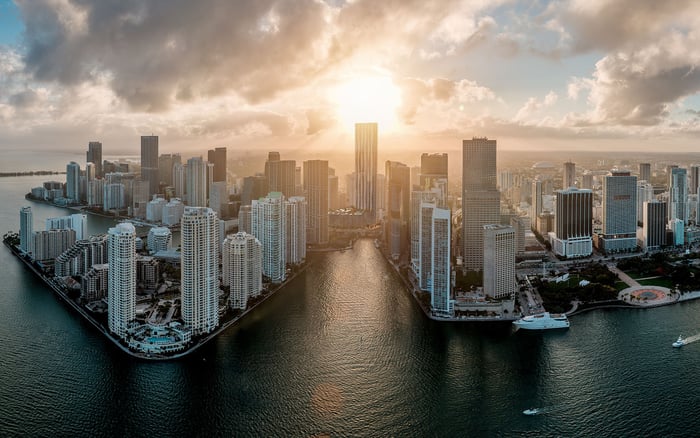
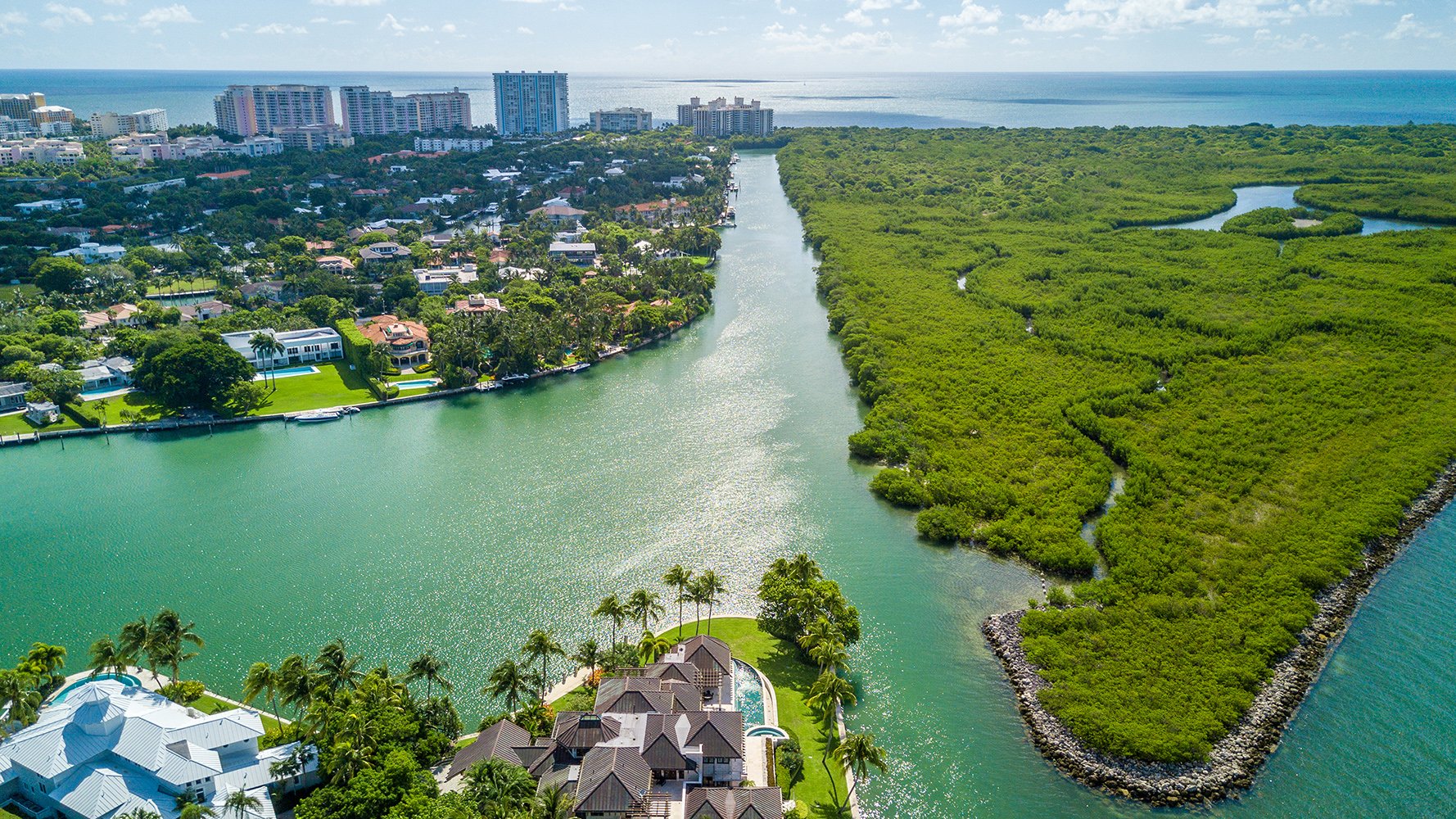
Across Miami-Dade, Broward, and Palm Beach counties, buyer priorities tend to cluster around access, lifestyle, and liquidity. The practical takeaway for luxury buyers is that the “right” location is often the one that best matches intended use: primary enjoyment, seasonal lock-and-leave convenience, or a plan that includes rental periods.
Broward often appeals to second-home buyers seeking waterfront inventory and a slightly quieter luxury cadence. Miami-Dade tends to reward buyers who value brand, design authorship, and a deeper pool of global resale demand. Palm Beach’s appeal is frequently tied to scarcity and a more selective inventory profile.
Canadian purchasers in South Florida are often condo-first because condos pair the lifestyle benefits (views, walkability, amenities, lock-and-leave) with operational simplicity compared to many single-family ownership profiles.
But “condo” is only the starting filter. The differentiator is building strength: transparent governance, credible management, and associations that can fund long-term obligations without surprise.
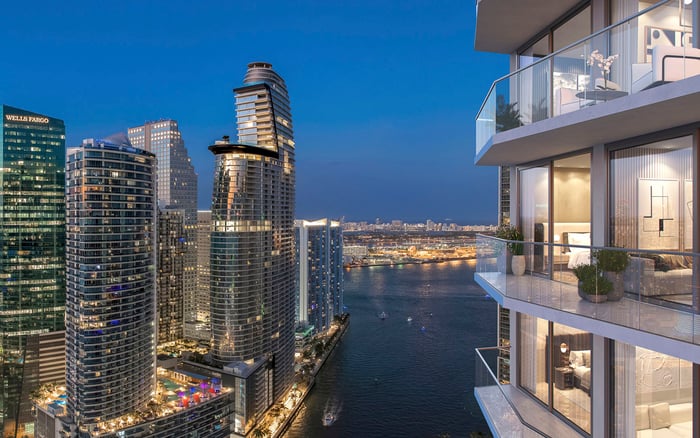
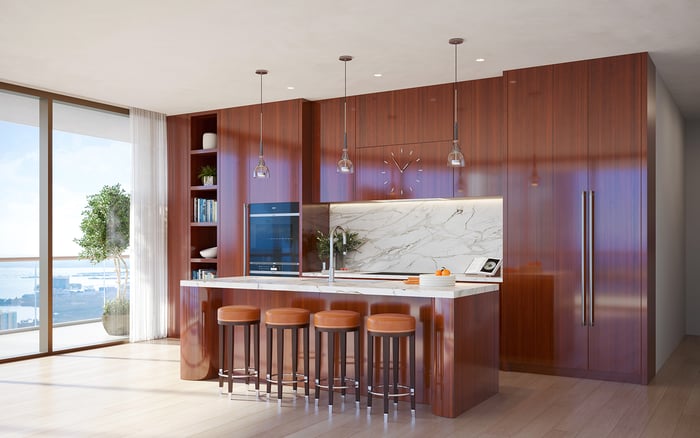
Buyers comparing urban core options may weigh newer, design-forward inventory such as 2200 Brickell against other best-in-class buildings based on finish level, location utility, and association fundamentals.
Cash offers remain a common feature of cross-border demand in South Florida, supporting speed, certainty, and negotiating leverage. For many buyers, cash is also a hedge against financing friction and a way to keep ownership decisions flexible as costs and rules evolve.
That flexibility is often linked to intended use. Some owners want a residence that performs as both a home and a product-able to support stays, hold value, and potentially rent depending on seasonality and personal plans.
South Florida condo ownership has become more inspection- and reserve-aware, and that has changed how buyers evaluate older buildings. In practice, it can mean higher dues or assessments in some associations, and a wider spread between “good value” and “cheap for a reason.”
As a result, due diligence conversations have become more institutional. Buyers increasingly ask for clarity on reserves, inspection timing, insurance posture, maintenance planning, and the consistency of governance.
When buyers have more luxury inventory to choose from, selection matters more. Generic product can linger, while buildings with a clear identity and strong stewardship tend to transact more predictably.
On Miami Beach, low-density, beachfront positioning can remain a durable driver of attention-especially when it pairs privacy with a distinct point of view. 57 Ocean Miami Beach is an example of the kind of boutique luxury positioning that many buyers view as cycle-resilient.
Broward’s luxury story is increasingly important in the Canadian conversation because it can combine beachfront living, marina culture, and a less theatrical expression of luxury-while still offering high-quality new and newer inventory.
Boutique projects can be particularly compelling for second-home buyers who value intimacy and predictable ownership economics. In Pompano Beach, Ocean 580 Pompano Beach and Armani Casa Residences Pompano Beach reflect how Broward continues to broaden from “alternative” into a destination category of its own.
The modern Canadian strategy in South Florida is simple, but exacting:
Treat the building as the asset: governance, reserves, and insurance posture shape the real ownership experience.
Buy for optionality: a residence that works for personal use and can accommodate rental strategy (where permitted) is often favored.
Plan the exit early: cross-border ownership is manageable, but resale execution details should be understood upfront.
Prioritize identity: in a market with abundant choice, the most liquid buildings tend to have a clear point of view.
Why do Canadian buyers focus so much on condos in South Florida? Condos fit seasonal, lock-and-leave living and can be easier to operate than many single-family ownership profiles.
What matters most in condo due diligence today? Building health: reserves, inspections, insurance posture, maintenance planning, and governance transparency.
Why are cash offers so common among cross-border buyers? Cash can reduce financing friction, increase speed to contract, and strengthen negotiating position.
How do condo reforms change the way buyers evaluate older buildings? They increase attention on inspections and reserves, which can raise carrying costs and widen the gap between strong and weak associations.
Which South Florida areas tend to feel most liquid for luxury condos? Buildings with clear identity and strong stewardship in established corridors typically transact more predictably than generic product.
What makes boutique buildings appealing to second-home buyers? Lower density can mean more privacy, a more curated resident experience, and sometimes clearer operational expectations.
How should buyers think about “flexibility” in a luxury purchase? Many prioritize a residence that works for personal use while still keeping future rental or resale options open.
Is Miami Beach still attractive for boutique luxury buyers? Yes-privacy, beachfront positioning, and distinct architectural identity can remain durable drivers of demand.
What’s the main underwriting shift buyers are making in 2026? They are evaluating the association and building operations as rigorously as the unit’s design and views.
What is a practical first step before choosing a building? Align the building’s rules and economics with your intended use-seasonal stays, long-term holding, and any rental goals.
If you'd like a private walkthrough and a curated shortlist, connect with MILLION Luxury.
If branded residences are on your mind — as a home or as an allocation — we would be glad to share what we are seeing, privately.
Begin a quiet conversation