A deferred bonus can inform a purchase plan without becoming its foundation. Separate qualifying income, closing cash, and reserves, then evaluate bridge financing against a documented repayment strategy and South Florida’s ownership costs.
The right South Florida residence may become available before a deferred bonus reaches your account. The temptation is understandable: secure the property now, then use the payout to restore liquidity or retire short-term borrowing. But an anticipated award and available capital are not interchangeable.
A disciplined approach separates the purchase decision from the compensation calendar. Establish what can close with documented resources today, what financing is available, and what remains comfortable if the bonus arrives late or below expectations. A bridge should solve a timing mismatch, not conceal an affordability problem.
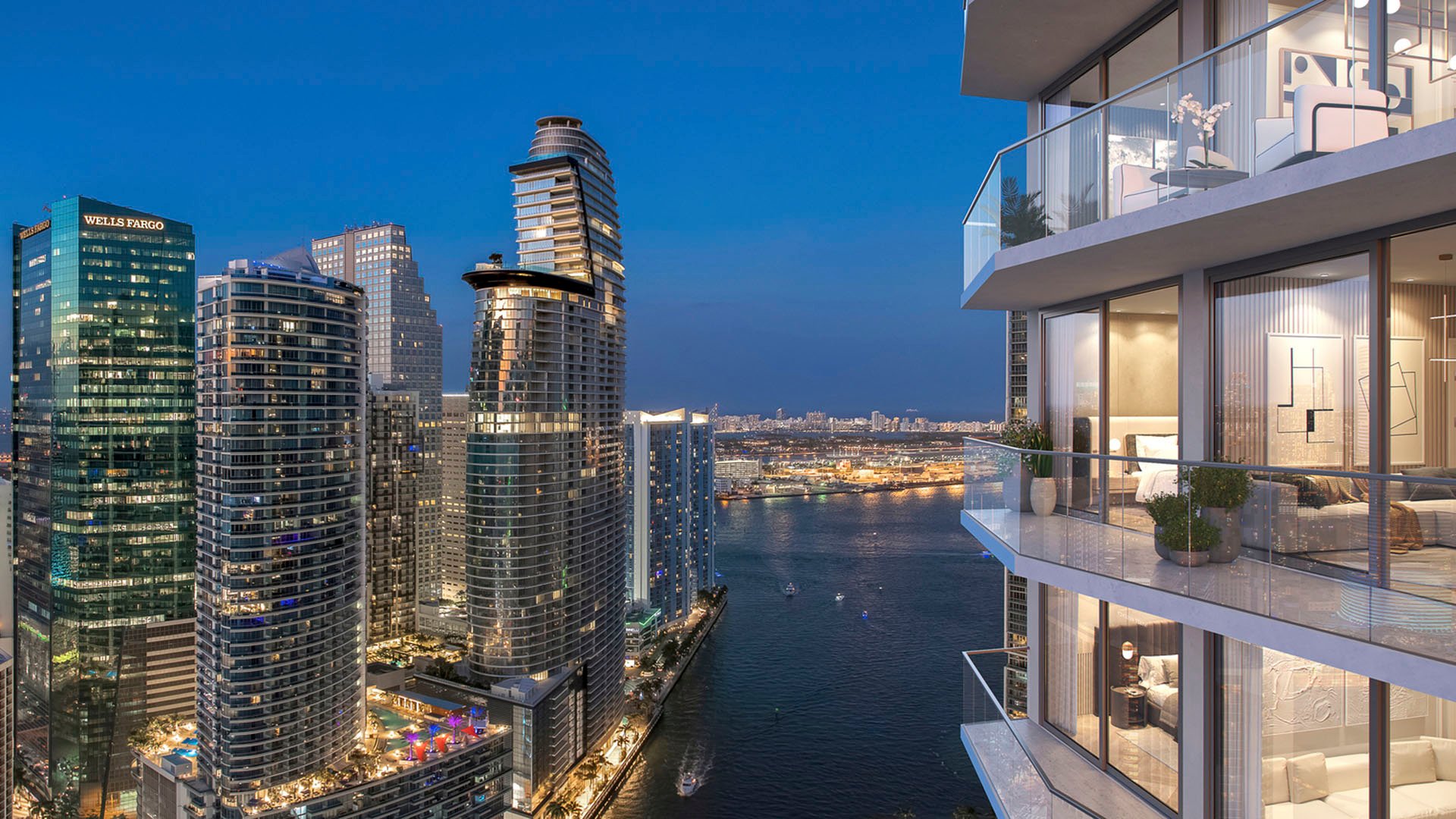
For a buyer considering The Residences at 1428 Brickell, the essential question is not whether future compensation makes the purchase feel reasonable. It is whether the financing and liquidity plan works before that compensation becomes cash.
Deferred compensation raises three distinct underwriting questions. Conflating them can create an avoidable gap between an encouraging lender conversation and a financeable purchase.
Qualifying income:
An expected or unvested bonus is not automatically qualifying mortgage income. A lender may request payment history, employer verification, and evidence that the compensation is likely to continue. Treatment depends on the lender’s policies and the borrower’s documented history.
Funds to close:
Do not count a deferred bonus as available down-payment cash before it is paid, deposited, and documented. An award statement may explain an expectation, but it does not establish that the money is available for closing.
Post-closing reserves:
Jumbo financing may require substantial liquidity after the transaction. Enough cash for the down payment does not necessarily satisfy the reserve requirement.
Before making an offer, request a written analysis that distinguishes these categories. Ask which assets and compensation the lender will recognize, what documentation remains outstanding, and which assumptions could change the result. Jumbo lenders may reach different conclusions; one lender’s treatment is not a universal rule.
Start with the purchase’s documented cash requirements, then identify the portion not covered by available funds. Keep the lender’s reserve requirement separate rather than treating every liquid dollar as spendable. The resulting gap is the amount to evaluate-not an invitation to borrow the largest amount offered.
Bank bridge loans, securities-backed facilities, private loans, and hard-money loans are not interchangeable. Their fees, collateral requirements, recourse, and repayment deadlines can differ materially. Compare written terms rather than relying on the convenience implied by the word “bridge.”
Approval may depend on property value, available equity, borrower strength, maturity, and a documented repayment strategy. Do not assume a future bonus satisfies that strategy without a review of its payment date, payout history, and award conditions.
Ask for the full borrowing cost through the proposed repayment date, the assets supporting the obligation, and the consequences of late repayment. Have the mortgage lender review the proposed facility alongside the permanent financing plan. The aim is a coherent transaction, not two separately reassuring conversations.
The stress test is straightforward: what happens if the bonus is delayed, reduced, or unavailable as expected? Confidence in an employer is not enough. Identify a documented alternative repayment resource or acknowledge that the purchase depends on the award.
Map the expected payment date against the bridge maturity. If little room separates them, ask how the obligation would be handled if timing shifts. Do not assume an extension or refinancing will be available; evaluate only terms and alternatives that have been reviewed.
For a Miami Beach search that includes The Perigon Miami Beach, the same discipline applies: keep the appeal of the residence separate from the strength of the repayment plan. This is a buyer-level framework, not a statement about financing availability at any particular project.
South Florida ownership costs deserve attention before the offer, not after the loan amount has been selected. Coastal insurance, potentially separate flood coverage, and hurricane-related deductibles can materially affect the purchase budget.
Obtain property-specific insurance information and consider how you would fund a deductible without relying on the pending bonus. Required lender reserves and your preferred cash cushion are related considerations, but they are not identical.
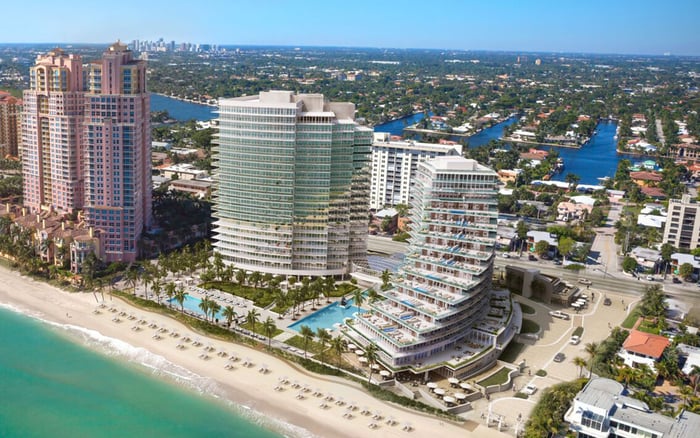
A Fort Lauderdale search involving Andare Residences Fort Lauderdale should follow the same budgeting sequence: establish financing assumptions, investigate applicable ownership expenses, and preserve liquidity for uncertainty. No project name or location substitutes for the costs attached to the actual purchase.
Borrower approval is only part of some condominium financing decisions. Conventional financing may also require project-level review of reserves, deferred maintenance, litigation, and investor concentration. Confirm requirements for the specific loan and building rather than assuming they apply identically everywhere.
Ask early what project documentation the lender needs and whether any review remains unresolved. A bonus payment cannot, by itself, resolve a building-level financing concern.
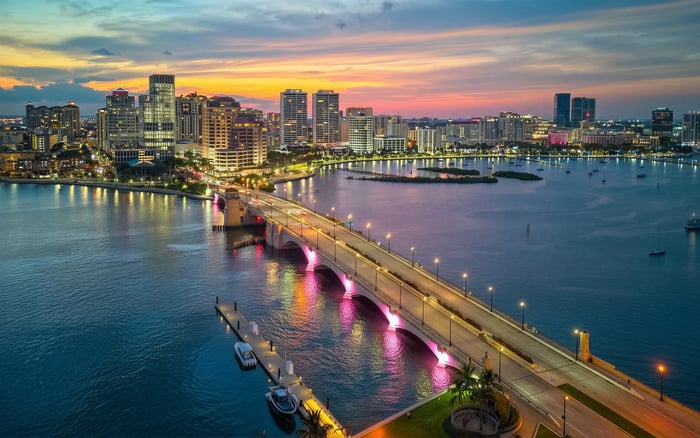
For buyers comparing West Palm Beach options such as Alba West Palm Beach, keep compensation verification and any required condominium review on parallel tracks. Completion of one does not establish completion of the other, and neither establishes approval for a particular residence.
Whether the South Florida purchase is a primary residence or a second home, do not let a broad market narrative determine how much timing risk to accept.
The relevant decision is narrower: does this property justify proceeding under financing terms you can sustain? A compelling residence does not make an uncertain bonus more liquid or a short repayment deadline more forgiving.
Before committing, bring together the written compensation analysis, documented closing funds, reserve requirements, bridge terms, repayment alternatives, insurance budget, and any required project review. If any element remains unresolved, consider reducing the commitment or waiting for the payout rather than forcing the structure to work.
The strongest position is not simply the ability to purchase before a bonus arrives. It is the ability to own comfortably if the compensation calendar changes.
Explore South Florida residences with MILLION while keeping your purchase strategy aligned with documented liquidity.
If branded residences are on your mind — as a home or as an allocation — we would be glad to share what we are seeing, privately.
Begin a quiet conversationIt may, but acceptance depends on lender policy and your documented compensation history. An expected or unvested award is not automatically qualifying income.
Do not count it as available down-payment cash before it is paid, deposited, and documented. Establish closing funds independently of the expected payout.
A lender may request bonus-payment history, employer verification, and evidence that the compensation is likely to continue. Ask for a written assessment before making an offer.
Reserves represent liquidity required after closing, rather than money spent on the purchase. Jumbo financing may require substantial post-closing liquidity.
No. Deferred-compensation policies can differ, so one lender’s assumptions should not be treated as universal.
Approval may depend on property value, available equity, borrower strength, loan maturity, and a documented repayment strategy. Availability is not established by an expected bonus alone.
It should not be assumed acceptable without review of the payment date, payout history, and award conditions. Ask the lender to evaluate that proposed exit explicitly.
Compare fees, collateral requirements, recourse, repayment deadlines, and the full cost through the intended repayment date. Different financing structures can carry materially different obligations.
Coastal insurance costs, potentially separate flood coverage, and hurricane-related deductibles can materially affect the budget. Obtain information specific to the property.
Yes. Conventional condominium financing may require project-level review of reserves, deferred maintenance, litigation, and investor concentration, depending on the loan and building.