For collectors moving from San Francisco to Pompano Beach, a successful arrival depends on two separate plans: written building-access arrangements and collection-specific environmental care. Here is how to coordinate the purchase, transport, elevator reservation and installation without treating closing day as delivery day.

Selling in San Francisco and buying in Pompano Beach involves more than moving a household. For an art collector, the destination must accommodate both the collection’s arrival and its long-term care. A compelling room is only part of the decision; the route from truck to wall deserves equal attention.
Treat the relocation as two coordinated plans: building access and preservation. An elevator reservation does not establish suitable temperature or humidity, and a climate-controlled vehicle does not guarantee access to the residence. Keep the property transaction, shipment and installation on distinct calendars, connected by written confirmations.
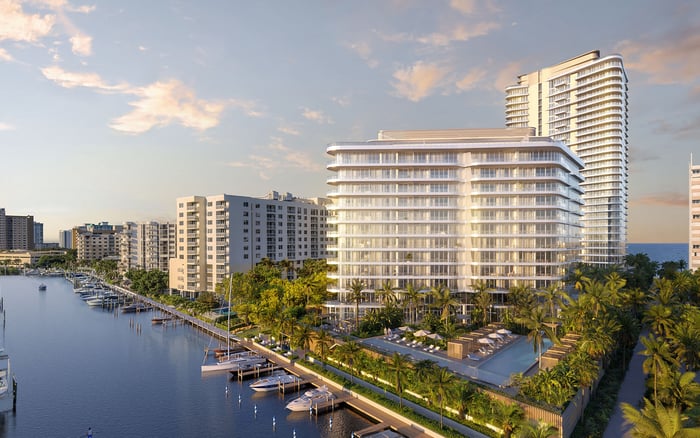
For buyers considering The Ritz-Carlton Residences® Pompano Beach, make collection logistics part of purchase due diligence. Request the applicable delivery policy and assess the actual receiving route. Do not assume a residential brand establishes an art-handling standard.
Start with a proposed sequence, not a promised arrival date. Confirm when you will have authorized access, when management can accommodate the shipment and when the residence’s environmental conditions can be assessed. Only then should the transport team finalize delivery arrangements.
Prepare a collection brief for your handler and conservator. Include an inventory, condition photographs, framed dimensions, proposed crate dimensions and any object-specific handling concerns. Establish who will approve packing, supervise transfers and decide when works can be unpacked.
If the San Francisco departure and Pompano Beach receiving dates do not align, request a storage contingency with documented environmental conditions. Obtain shipment-specific pricing, routing, timing and insurance terms rather than relying on a generic cross-country moving estimate. None of these details should be inferred from either home’s sale price.
Obtain the destination association’s current written delivery policy before booking transport. Ask which days and hours are available, whether holiday restrictions apply and how far ahead the service elevator must be reserved. Distinguish a notice requirement from confirmation that the elevator is actually booked.
For a purchase at Armani Casa Residences Pompano Beach, request that property’s own requirements; neighboring buildings’ schedules and deposits are not substitutes. Ask management to identify the person authorized to confirm access and the procedure if the truck misses its receiving window.
Include any required paperwork, deposits and elevator preparation in the delivery plan. Resolve these items before dispatch rather than expecting the handler to arrange them on arrival.
A freight elevator is only one segment of the journey. Ask the handler to check the receiving entrance, door openings, elevator cab, corridor turns and residence entry against the packed dimensions of each oversized work. Resolve questionable clearances before dispatch-not with a crate waiting downstairs.
For a residence under consideration at Ocean 580 Pompano Beach, apply the same route-review discipline. Confirm the designated receiving entrance and elevator rather than assuming the route used during a property tour will be available for deliveries.
Ask management what wall padding, floor covering or other protection is required. Confirm who supplies it, who installs it and whether preparation and removal must fit within the reserved window.
If a deposit applies, ask how it is collected and released, including any inspection requirements. Treat a building damage deposit separately from shipment insurance, and review each with the appropriate party.
Preservation planning should cover every transport environment, not just the truck or the finished apartment. Ask your conservator to establish suitable temperature and humidity parameters for the actual collection, then have the handler explain how each stage will meet them.
Review loading areas, vehicles, temporary storage and the destination’s receiving space separately. Request details on environmental monitoring and the response to a delayed receiving appointment. Make responsibility at each handoff explicit.
Avoid using a generic temperature or humidity range as a substitute for collection-specific advice. Likewise, agree on any acclimatization and unpacking instructions for the objects and their packing system before departure rather than assuming a fixed waiting period.
During a Broward property search, bring the collection brief into the residential discussion. At Waldorf Astoria Residences Pompano Beach, ask the same practical questions you would at any candidate property: how will conditions be maintained, how will they be monitored and who will respond while the owner is away?
Do not equate personal comfort with demonstrated suitability for the collection. Request an assessment of temperature and humidity where the works will actually live, and discuss proposed changes with the appropriate building representatives and specialists. Plan installation only after the receiving environment and handling arrangements have been reviewed.
Before dispatch, bring the owner’s representative, handler, installer and building contact together around one written receiving plan. Record the approved date and hours, elevator arrangements, route, protection duties, any deposit requirements, environmental instructions and contingency destination.
Obtain final confirmation that the residence can receive the collection before authorizing departure. The objective is more than an on-time truck: it is an arrival for which access, preservation and installation have each been deliberately resolved.
Explore Pompano Beach residences with a collection-minded perspective at MILLION.
If branded residences are on your mind — as a home or as an allocation — we would be glad to share what we are seeing, privately.
Begin a quiet conversationKeep closing and art delivery on separate, coordinated plans. Confirm authorized access, the building’s receiving appointment and suitable environmental conditions before finalizing delivery.
Request the destination association’s current written requirements for delivery hours, notice, reservations, protection and any deposits. Do not use another building’s policy as a substitute.
Include an inventory, condition photographs, framed dimensions, proposed crate dimensions and object-specific handling concerns. Identify who will approve packing and supervise transfers.
Do not treat notice as confirmation of a reservation. Obtain written confirmation of the receiving date, hours and elevator arrangements.
The handler should review the complete receiving route against packed dimensions, including entrances, door openings, corridor turns and the residence entry.
Ask management to confirm the required protection and who must supply, install and remove it. Include those duties and their timing in the written receiving plan.
Have a conservator establish parameters suited to the collection. Ask the handler how loading, transit, storage and arrival will meet those requirements.
Request an assessment where the works will actually live, using collection-specific parameters from a conservator. Agree on monitoring and who will respond while the owner is away.
Agree on acclimatization and unpacking instructions with the conservator and handler before departure. Base the plan on the objects and packing system rather than an assumed waiting period.
Request a storage contingency with documented environmental conditions. Confirm shipment-specific costs, timing and insurance terms rather than assuming a standard cross-country arrangement.