For buyers moving from Tokyo to Key Biscayne, insurance planning should connect property-specific quotes, dollar-denominated hurricane deductibles, separate flood protection, and a flexible move-in schedule before occupancy.
Buying in Key Biscayne after selling in Tokyo requires more than a coordinated closing and an elegant arrival. The practical objective is to align three decisions: what needs to be insured at the new residence, how much loss you are prepared to absorb, and when the household can move in with coverage confirmed.
Treat insurance as an acquisition decision, not a final administrative task. Before committing to a move-in schedule, ask your broker to break down each proposed policy into insured limits, covered exposures, exclusions, and dollar deductibles. The premium alone does not capture the financial commitment.
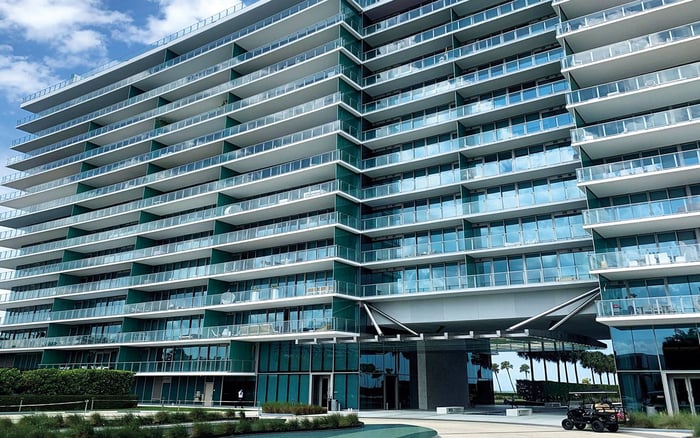
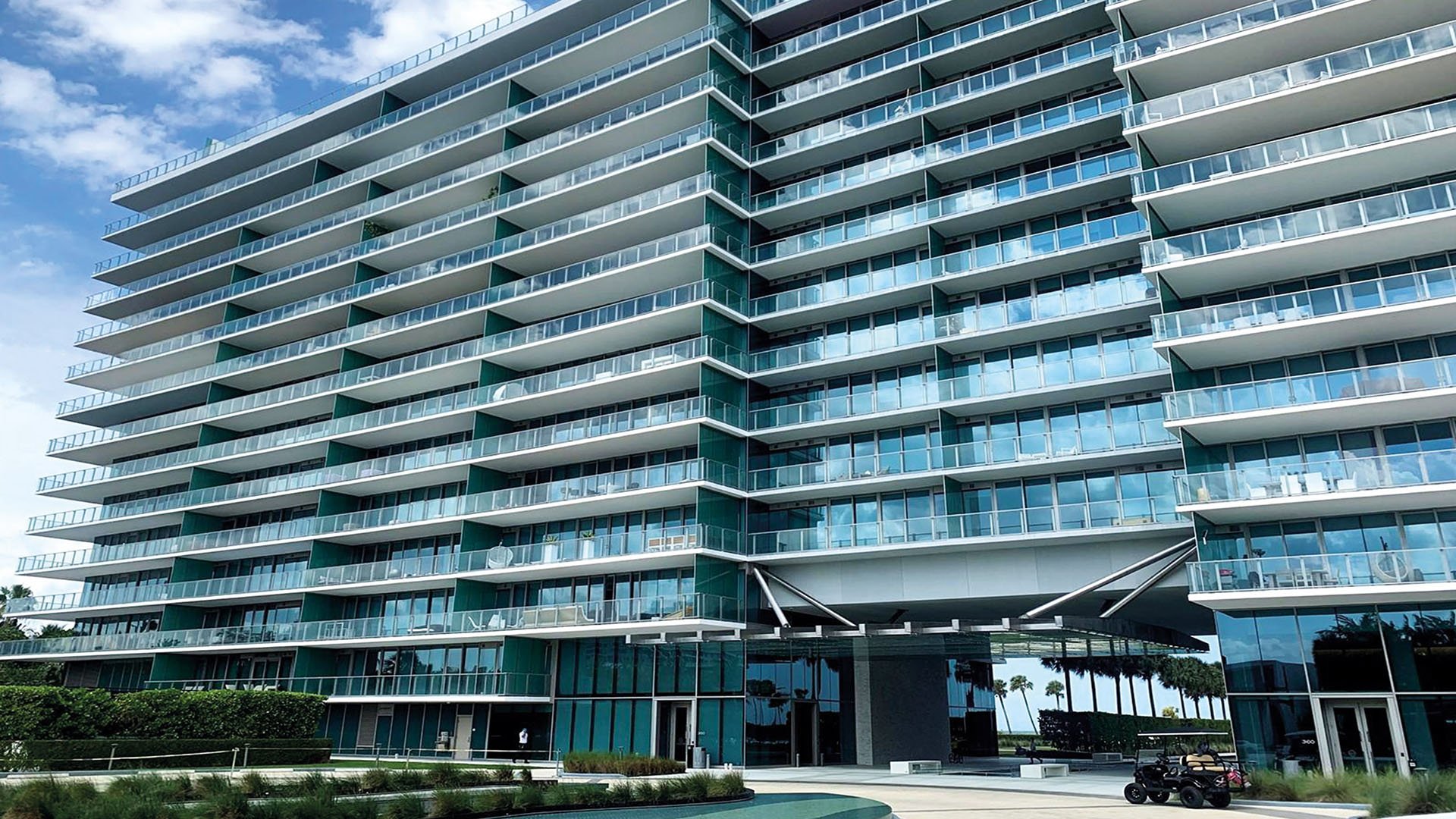
For a buyer considering Oceana Key Biscayne, begin with a residence-specific review rather than assumptions based on the purchase price or the island address. Keep Tokyo sale planning separate from Florida coverage decisions, while coordinating both through one household timetable.
Request available hurricane and other-wind deductible options side by side. Each proposal should show the premium, insured limits, applicable deductible percentages, and their dollar equivalents. Ask for a clear explanation of coverage differences so that a less expensive proposal is not mistaken for an equivalent one.
Florida’s hurricane-deductible framework includes $500, 2%, 5%, and 10% options, subject to exceptions. Not every choice is available for every property. In particular, do not assume that a $500 hurricane deductible is a realistic option for a luxury residence.
A useful comparison sheet should answer four questions:
What limits and exposures does this proposal insure?
Which deductible applies to hurricane damage?
Which deductible applies to other wind damage?
What remains outside the proposed protection?
Keep the broker’s explanation alongside the quote. The goal is not simply to select a percentage, but to understand the financial exposure you retain.
Hurricane deductibles are generally higher than other policy deductibles and commonly use a percentage of insured value. For dwelling coverage, that percentage is calculated from the policy’s Coverage A limit-not the property’s purchase price or the amount of a claim.
Consider an illustrative $4 million insured dwelling limit:
A 2% hurricane deductible equals $80,000.
A 5% hurricane deductible equals $200,000.
A 10% hurricane deductible equals $400,000.
These are calculations, not quotes or typical Key Biscayne prices. Nor should these percentages be applied automatically to a condominium purchase price. Ask the broker to identify the relevant coverage limit and calculation for the policy under consideration.
The deductible belongs in the household liquidity plan. Before selecting a higher percentage, decide whether funds to cover that dollar exposure would remain comfortably accessible alongside closing costs, furnishing commitments, and planned renovations. Keep the reserve visible rather than treating it as part of the decorating budget.
A hurricane deductible and a windstorm or wind-hail deductible are distinct. A proposal that explains one does not necessarily explain the other. Ask the broker to walk through both a hurricane-loss scenario and a non-hurricane wind-loss scenario, identifying the applicable deductible in each.
Wind-only insurance should not be mistaken for comprehensive homeowners protection. If a proposal includes a separate wind policy, request an explanation of how it fits within the wider insurance arrangement and where gaps remain.
If the search expands to Park Grove Coconut Grove, apply the same comparison discipline. A different address calls for a fresh proposal, not a carryover of the Key Biscayne deductible calculation. Compare documented policy terms rather than assuming that coverage is interchangeable between residences.
Florida’s hurricane-deductible window begins when a hurricane warning is issued for any part of the state. It ends 72 hours after the last hurricane watch or warning for any part of Florida terminates. That statewide framework matters even when your immediate focus is one residence.
For personal residential coverage, the hurricane deductible operates on a calendar-year basis, with accumulation provisions tied to coverage through the same insurer or insurer group. This does not guarantee only one deductible payment per season. Later claims can still involve other applicable deductibles.
Ask how earlier hurricane losses would be documented and how a subsequent claim would be treated. Before changing insurers, request clarification on deductible accumulation. Keep claim and deductible records together.
Standard homeowners insurance generally excludes flood, including storm surge and rising water. Hurricane wind protection does not resolve the flood question; those exposures require separate flood coverage.
Request property-specific information showing whether the Key Biscayne parcel falls within a Special Flood Hazard Area on the current flood insurance rate map. Use that information to begin a detailed coverage discussion, not to replace one.
Ask the broker to explain proposed flood limits, deductibles, exclusions, and effective dates separately from the wind proposal. Do not infer available limits or terms from another residence. For a luxury acquisition, the essential task is to make any retained flood exposure explicit before occupancy.
Plan the Tokyo-to-Florida transition around decision points rather than a supposedly safe arrival date. No move-in period guarantees freedom from hurricane disruption.
Before fixing occupancy:
Confirm that the required coverage is bound and that its effective dates align with the acquisition and intended use. Ask the broker what remains outstanding; do not treat a quotation as confirmation of protection.
Before authorizing renovations and deliveries:
Share the planned scope and schedule with the broker and contractor. Ask whether the proposed work or occupancy arrangements require coverage adjustments. Coordinate furniture deliveries within the same plan rather than on a separate calendar.
Before departure:
Confirm that deductible reserves are accessible, keep policy documents and contact details in an easily retrievable format, and designate someone to coordinate locally if travel plans change. Consider flexible delivery arrangements and an alternative accommodation plan as practical contingencies.
If Una Residences Brickell becomes an alternative, repeat these checks for that residence. Neither a different location nor a revised arrival date substitutes for written coverage confirmation.
The most composed move is one with insurance decisions settled before the household arrives: quotes compared on consistent terms, hurricane deductibles translated into dollars, flood protection reviewed separately, and reserves kept available. Leave Tokyo-specific tax and transfer questions with the appropriate advisers rather than assuming that Florida insurance planning resolves them.
For a discreet conversation about your next South Florida residence, connect with MILLION.
If branded residences are on your mind — as a home or as an allocation — we would be glad to share what we are seeing, privately.
Begin a quiet conversationBegin during acquisition planning, before fixing the move-in schedule. Request property-specific quotes and confirm bound coverage before occupancy.
Request premiums, insured limits, available hurricane and other-wind deductible options, and dollar equivalents. Ask the broker to explain coverage differences and exclusions.
For dwelling coverage, a percentage hurricane deductible is calculated from the policy’s Coverage A limit, not the purchase price or claim amount.
It would equal $80,000; 5% would equal $200,000 and 10% would equal $400,000. These are illustrative calculations, not property-specific quotes.
No. Florida’s framework includes a $500 option subject to exceptions, but not every deductible option is available for every property.
No. Ask how each proposal treats hurricane losses versus other wind damage, including the deductible applicable to each.
It begins when a hurricane warning is issued for any part of Florida and ends 72 hours after the last hurricane watch or warning for any part of the state terminates.
No. Personal residential hurricane-deductible accumulation is tied to coverage through the same insurer or insurer group, and later claims can still involve other applicable deductibles.
Standard homeowners insurance generally excludes flood, including storm surge and rising water. Separate flood coverage is needed for those exposures.
Confirm bound coverage, aligned effective dates, and accessible deductible reserves. Coordinate renovations and deliveries with the broker and contractor, and keep contingency plans flexible.