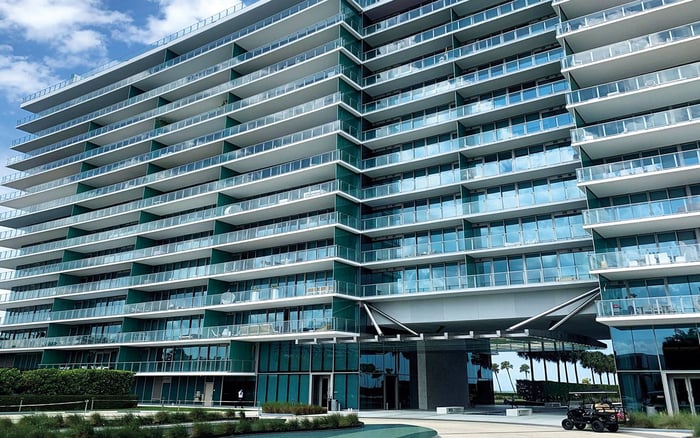
For Vancouver families establishing a permanent home in Key Biscayne, the purchase calendar matters as much as the property selection. Understand January 1 eligibility, March 1 filing, the post-sale assessment reset, and when an existing Florida Save Our Homes benefit can transfer.
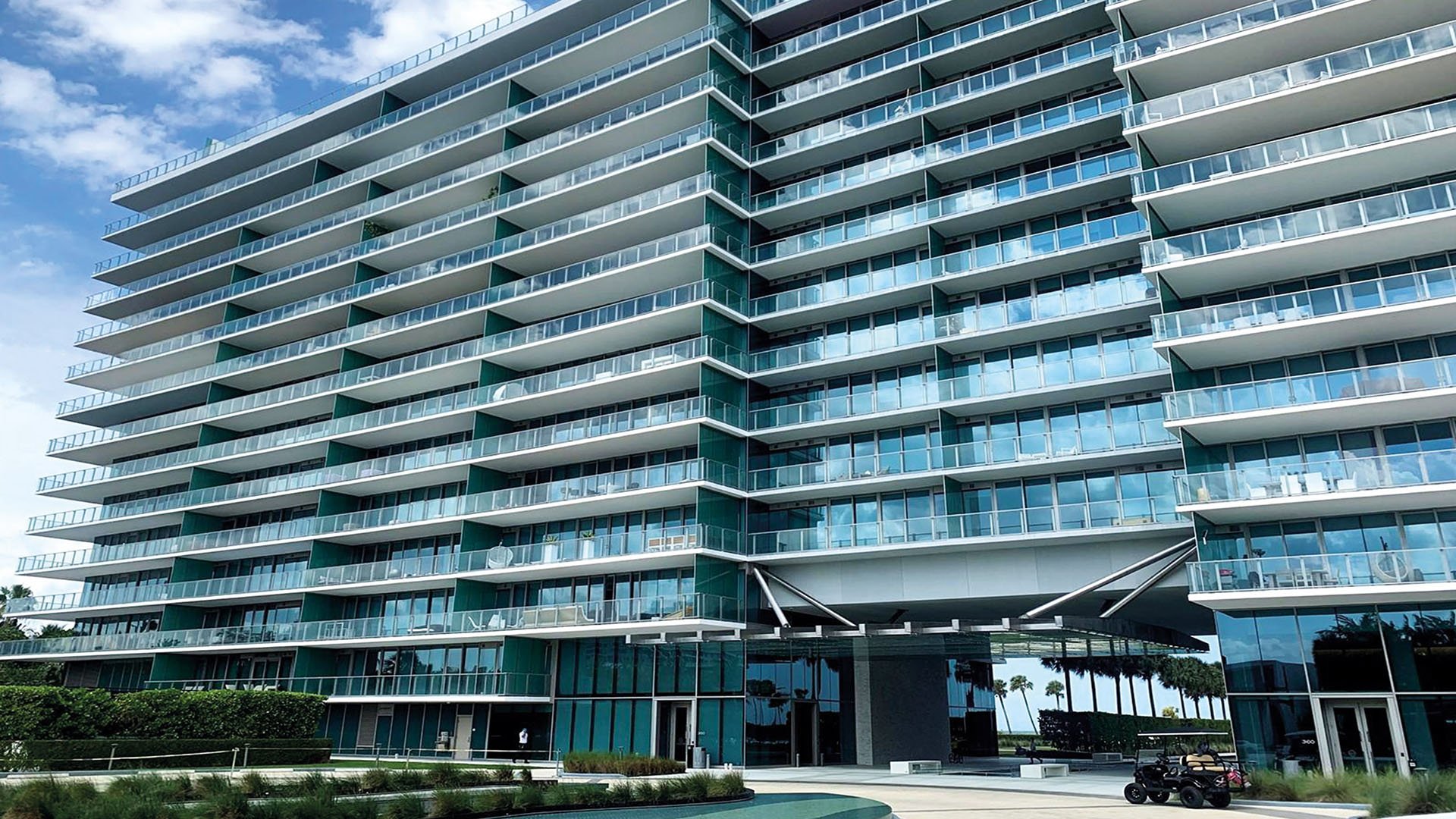
For a Vancouver family choosing a permanent home in Key Biscayne, the closing date is only one part of the relocation calendar. Florida property-tax planning hinges on three distinct mechanisms: homestead exemption, Save Our Homes, and portability. Each serves a different purpose. None should be inferred from the seller’s current tax bill.
Whether the search centers on Oceana Key Biscayne or another island residence, the essential question is the same: when will the family both own the property and establish it as a permanent residence? That date determines the potential homestead year. The ownership change sets a separate timetable for reassessment.
For a substantial acquisition, treating these dates as purchase criteria-not post-closing administration-creates a more disciplined ownership budget.
Homestead exemption reduces the taxable value of a qualifying primary residence. Save Our Homes, usually shortened to SOH, separately limits future increases in assessed value. Portability allows an eligible owner to transfer an existing Florida SOH assessment benefit to another Florida homestead.
These are related protections, not interchangeable discounts. Receiving homestead does not preserve the seller’s capped assessment. Nor does qualifying for a new exemption establish that a buyer has a benefit to transfer.
For a family moving directly from Vancouver, the distinction is decisive. A Vancouver residence creates no Florida SOH portability benefit, regardless of its value or how long it has been owned. A qualifying previous Florida homestead is necessary. Ownership of a Florida vacation property alone does not satisfy that requirement.
To qualify for homestead for a particular tax year, the buyer must own the property and have established it as a permanent residence as of January 1. The standard application deadline is March 1 of that same year. Filing by March does not remedy a failure to meet the January 1 requirements.
Consider an illustrative purchase closing in late 2026. If the family establishes permanent residence before January 1, 2027, and satisfies the remaining eligibility requirements, it can seek homestead for 2027. If permanent residence begins only after January 1, the March 1 filing deadline does not make the family eligible for 2027.
A year-end closing therefore requires two coordinated milestones: completed ownership and established permanent residence. Neither should be assumed from a purchase contract or a planned moving date.
Key Biscayne applications and supporting documentation go to the Miami-Dade County Property Appraiser. Vancouver families should confirm their specific immigration-status, residency, and documentation circumstances with that office before relying on an exemption in their budget. A purchase alone does not establish eligibility.
Following a change of ownership, a previously homesteaded property generally resets to just value on January 1 of the following year-not immediately at closing. That delay can make a seller’s tax history misleading when evaluating future carrying costs.
The seller may have accumulated a substantial gap between just value and capped assessed value. That history is not a reliable forecast of the buyer’s next full-year assessment or tax bill. Build the purchase budget around the expected post-transfer assessment, then consider only exemptions and portability benefits the buyer can substantiate.
The same discipline applies if the island search broadens to Coconut Grove and Park Grove Coconut Grove. Compare prospective ownership costs on a consistent post-acquisition basis, rather than treating each seller’s existing bill as the property’s enduring tax profile.
The objective is not an exact tax promise before closing. It is a budget that accounts for the reset without confusing a prior owner’s protection with the new owner’s position.
SOH generally begins in the second year a property receives homestead exemption. The first homesteaded year establishes the assessment baseline; the limitation then governs ordinary annual increases.
In the illustrative late-2026 purchase, if 2027 is the first homesteaded year, SOH generally begins limiting assessment growth in 2028. Its ordinary ceiling is 3% or the applicable CPI change, whichever is lower.
That ceiling applies to assessed value, not market value. It does not guarantee an equivalent limit on the total tax bill. Additions, new construction, and other qualifying property changes can also increase assessed value outside the ordinary limitation. A family planning improvements should account for that possibility separately from its assumptions about annual capped growth.
Families who already have a qualifying Florida homestead face a different calculation from those moving directly from Vancouver. The SOH assessment difference is the gap between that homestead’s just value and capped assessed value. Portability can transfer up to $500,000 of that difference to a new Florida homestead, subject to eligibility.
This is an assessment reduction, not $500,000 in tax savings. For a move to a higher-value homestead, the transferable reduction is generally the previous assessment difference, capped at $500,000. For a move to a lower-value homestead, the calculation is proportional. Do not assume the entire previous difference will transfer.
If the comparison includes a Brickell residence such as Una Residences Brickell, the planning question remains the buyer’s qualifying Florida homestead history. Project selection does not itself create portability.
The portability window is three tax years, measured from January 1 of the last qualifying homestead year. It is not three years from the sale or closing date.
For example, if the previous home qualified for homestead on January 1, 2025, and was abandoned later in 2025, the new homestead must be established no later than January 1, 2028, subject to the remaining eligibility requirements. A calendar based solely on the old home’s sale anniversary could produce the wrong deadline.
Portability also requires an application. Submit Form DR-501T with the homestead application, Form DR-501 or the county equivalent, by March 1 of the applicable year. Confirm both the previous assessment difference and the last qualifying homestead year before building the transfer into a purchase budget.
Miami-Dade’s annual valuation date is January 1. The TRIM notice, generally mailed in August, shows values, exemptions, and proposed taxes. Review it against the homestead and portability treatment expected from the applications. Do not assume that closing completes the tax-planning work.
For Vancouver families, a well-coordinated move connects the purchase, permanent-residence date, applications, and subsequent assessment review. The result is a clearer understanding of ownership costs, with each benefit tied to eligibility rather than expectation.
For a considered approach to your Key Biscayne home search, connect with MILLION.
If branded residences are on your mind — as a home or as an allocation — we would be glad to share what we are seeing, privately.
Begin a quiet conversationHomestead exemption reduces a qualifying primary residence’s taxable value. Save Our Homes separately limits future increases in its assessed value.
The buyer must own the property and have established it as a permanent residence as of January 1 of that year, subject to the remaining eligibility requirements.
No. March 1 is the standard application deadline, while ownership and permanent residence must already be established as of January 1.
Applications and supporting documentation go to the Miami-Dade County Property Appraiser. Vancouver families should confirm their individual residency and documentation requirements before assuming eligibility.
Following a change of ownership, it generally resets to just value on January 1 of the following year. The seller’s capped assessment is not a reliable forecast of the buyer’s next full-year bill.
SOH generally begins in the second year the property receives homestead exemption. It limits ordinary annual assessed-value increases to 3% or the applicable CPI change, whichever is lower.
No. It limits assessed-value growth, not market value or the total tax bill, and qualifying property changes can increase assessed value outside the ordinary cap.
No. Portability requires a qualifying previous Florida homestead; ownership of a Vancouver residence creates no Florida SOH assessment benefit.
No. Eligible owners can transfer up to $500,000 of an existing Florida SOH assessment difference, not tax savings; a move to a lower-value homestead uses a proportional calculation.
The window is three tax years measured from January 1 of the last qualifying homestead year, not the sale date. Submit Form DR-501T with Form DR-501 or the county equivalent by March 1 of the applicable year.