A practical framework for converting Montreal sale proceeds into a well-insured Key Biscayne purchase, with deductible modeling, liquidity planning, and hurricane-season closing safeguards.
Moving from Montreal to Key Biscayne is more than a change of climate. It introduces a distinct insurance vocabulary, a different approach to storm risk, and a closing calendar that active weather can disrupt. The most effective approach is to treat insurance as part of acquisition planning, not as a final administrative task.
Before making an offer, ask an experienced Florida insurance broker to prepare indicative terms based on the property’s construction and coverage profile. This is especially important for a second-home purchase, where the intended occupancy and management arrangements must be presented accurately. A cash buyer may avoid lender conditions, but still faces the same potential six-figure liquidity exposure after a covered storm.
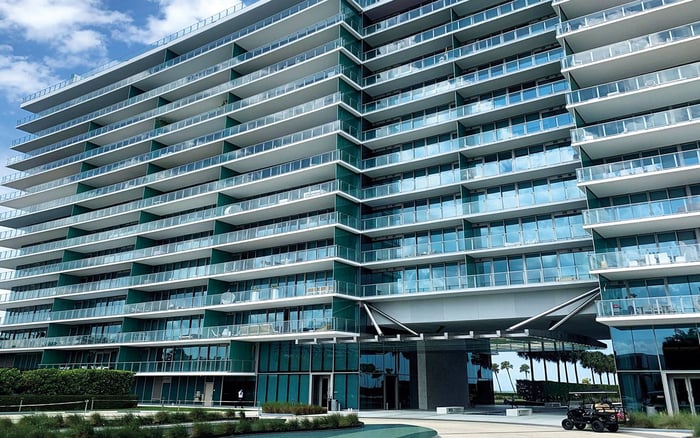
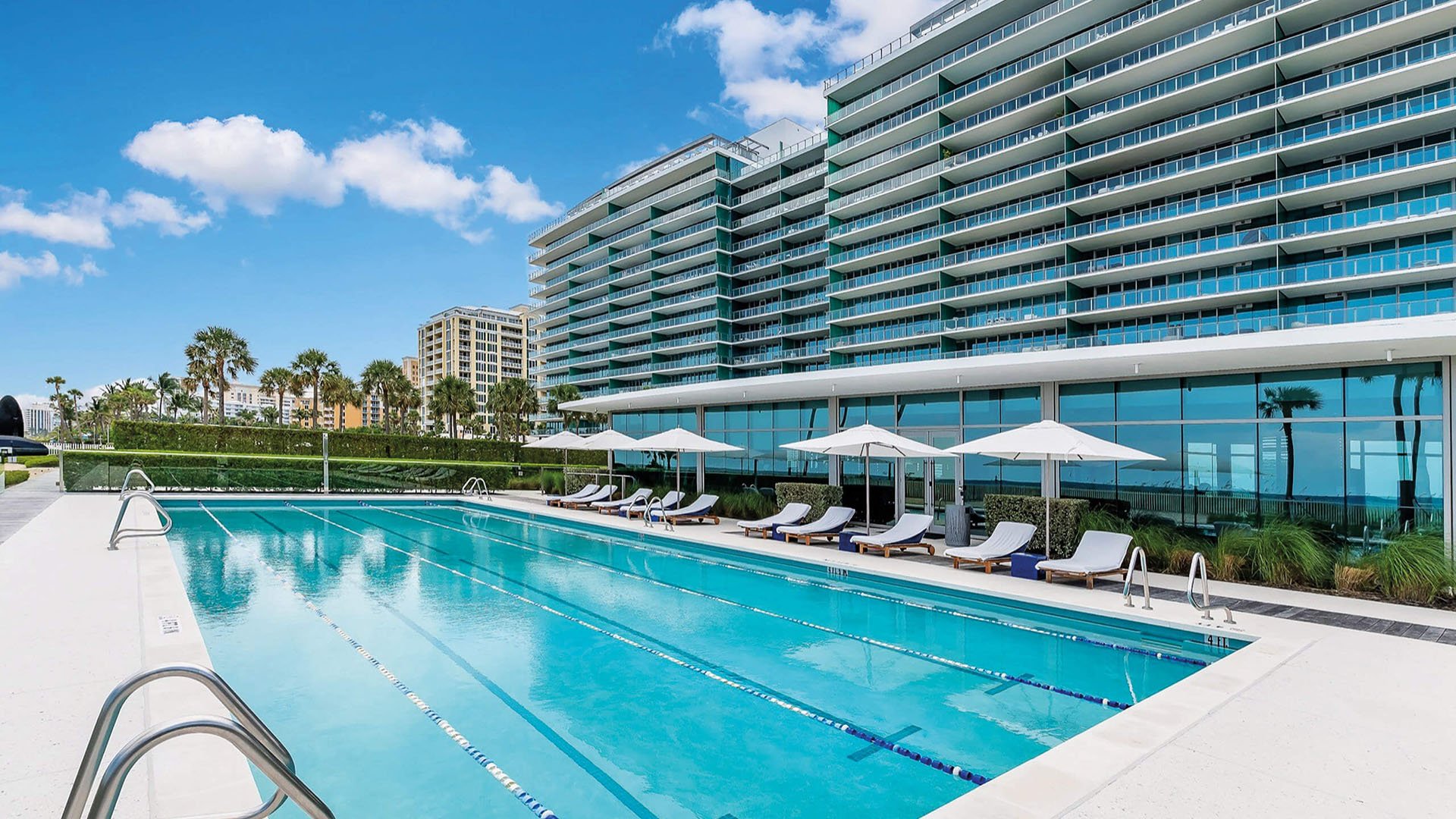
This buyer’s guide framework applies whether the search centers on a condominium such as Oceana Key Biscayne or a single-family residence. The details vary, but the discipline remains the same: price the risk, translate deductibles into dollars, and establish a clear path to binding coverage.
A premium comparison is meaningful only when each proposal reflects the same coverage assumptions. Ask brokers to specify the dwelling limit, hurricane deductible, other-windstorm deductible, all-other-perils deductible, and treatment of high-end replacement costs. Review flood and storm surge separately rather than assuming either sits within wind coverage.
Florida homeowners policies commonly apply a separate hurricane deductible based on the dwelling’s Coverage A limit. That limit is not automatically the purchase price. Available options generally include $500, 2%, 5%, or 10%, subject to the policy and applicable conditions.
Request at least 2%, 5%, and 10% scenarios from every broker. Then compare both the annual premium and the maximum near-term cash exposure. A lower premium may be attractive, but not if the corresponding deductible conflicts with the buyer’s preferred liquidity strategy.
Percentages can appear modest until applied to a luxury dwelling limit. With $2 million of Coverage A, a 2% hurricane deductible is $40,000, a 5% deductible is $100,000, and a 10% deductible is $200,000. With $3 million of Coverage A, the 5% threshold rises to $150,000.
That deductible is the out-of-pocket threshold that covered hurricane damage must exceed before the policy begins paying its covered portion. It should therefore be evaluated alongside portfolio liquidity, not merely against the annual premium.
Storm classification also matters. The hurricane deductible applies to wind losses from a system declared a hurricane. Damage from a tropical storm, tornado, or hail event that is not a named hurricane may instead fall under an other-windstorm deductible. Compare all three categories, because hurricane, other-windstorm, and all-other-perils terms can produce materially different outcomes.
The cleanest financial structure is to reserve the selected deductible as soon as the Montreal sale closes. A buyer choosing a 5% deductible on $2 million of Coverage A, for example, could earmark $100,000 before directing the balance toward the acquisition, improvements, furnishings, or investments.
This reserve should remain readily accessible. It is not a forecast of loss, but recognition that the deductible selection creates a contractual cash threshold. Waterfront ownership warrants particular attention to the distinctions among hurricane wind, non-hurricane wind, flood, and storm surge.
Florida generally applies one hurricane deductible per calendar year when the policyholder remains with the same insurer, even if multiple hurricanes cause covered losses. Confirm in writing how that provision would operate, particularly if coverage could move to another carrier during the year.
Deductible selections must be made before a loss. Finalize the desired hurricane and windstorm terms before closing and taking possession, then establish precisely how and when the carrier will bind the policy.
When a hurricane warning or related underwriting restriction is active, insurers may temporarily suspend new policy binding or policy changes. Florida’s statutory hurricane period begins when a hurricane warning is issued for any part of the state and ends 72 hours after the last applicable hurricane watch or warning terminates. A delayed insurance decision can therefore obstruct closing even when the transaction is otherwise ready.
Build the move-in plan around several checkpoints: accepted insurance terms, written binding instructions, confirmation of the effective date and time, reserve funding, and access arrangements for the residence. For a move-in-ready property, immediate usability does not eliminate the need to coordinate coverage before the keys and responsibility transfer.
Insurance should inform the selection without dictating the lifestyle. Request the information needed to quote each finalist early enough to compare terms calmly. Maintain the same checklist if the search expands beyond Key Biscayne to Vita at Grove Isle or The Residences at Six Fisher Island.
For condominiums, coordinate the residence quote with the association documents and determine which property interests require individual coverage. For a house, focus the discussion on the proposed dwelling limit and the separate treatment of each peril. In either format, the objective is a clear, written view of premiums, exclusions, deductibles, and post-storm liquidity before the purchase becomes unconditional.
Is the hurricane deductible based on the Key Biscayne purchase price? No. A percentage hurricane deductible is calculated from the policy’s Coverage A dwelling limit, which is not automatically the purchase price.
What is a 5% deductible on $2 million of Coverage A? It is $100,000, the threshold that covered hurricane damage must exceed before covered payments begin.
How much is a 2% deductible on the same dwelling limit? A 2% hurricane deductible on $2 million of Coverage A is $40,000.
Does one deductible apply to every type of loss? Not necessarily. Hurricane, other-windstorm, and all-other-perils deductibles can differ materially.
Can a tropical storm trigger the hurricane deductible? A non-hurricane tropical storm may fall under the other-windstorm deductible rather than the hurricane deductible.
Should a cash buyer still model deductibles carefully? Yes. Even without lender requirements, the selected deductible can create a substantial post-storm liquidity need.
Can Montreal sale proceeds fund the storm reserve? Yes. Earmarking proceeds equal to the chosen deductible can preserve a clear source of immediate liquidity.
Will one hurricane deductible generally cover multiple hurricanes? A policyholder generally satisfies one per calendar year when remaining with the same insurer, but should confirm the terms in writing.
Why bind coverage before a hurricane-season closing? Active warnings or underwriting restrictions may temporarily prevent new policies or policy changes from being bound.
What should be confirmed before move-in? Confirm accepted terms, deductibles, binding instructions, the effective date and time, and the funded storm reserve.
If you'd like a private walkthrough and a curated shortlist, connect with MILLION.
If branded residences are on your mind — as a home or as an allocation — we would be glad to share what we are seeing, privately.
Begin a quiet conversation