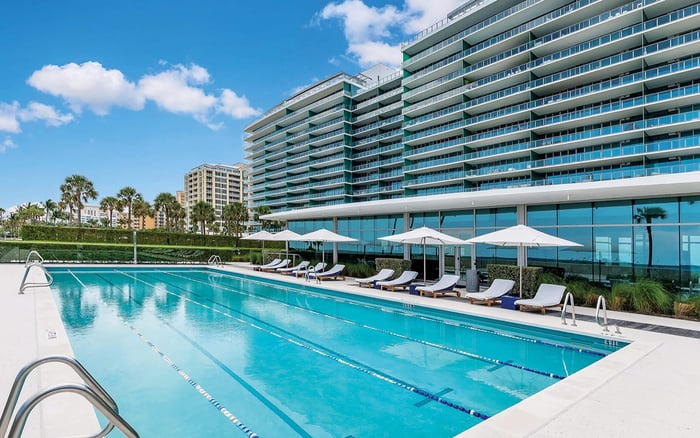
Choosing between Fisher Island and Key Biscayne requires more than comparing asking prices. Align actual occupancy with insurance terms, establish homestead eligibility independently, and build a property-specific first-year budget that separates historical figures from forward estimates.
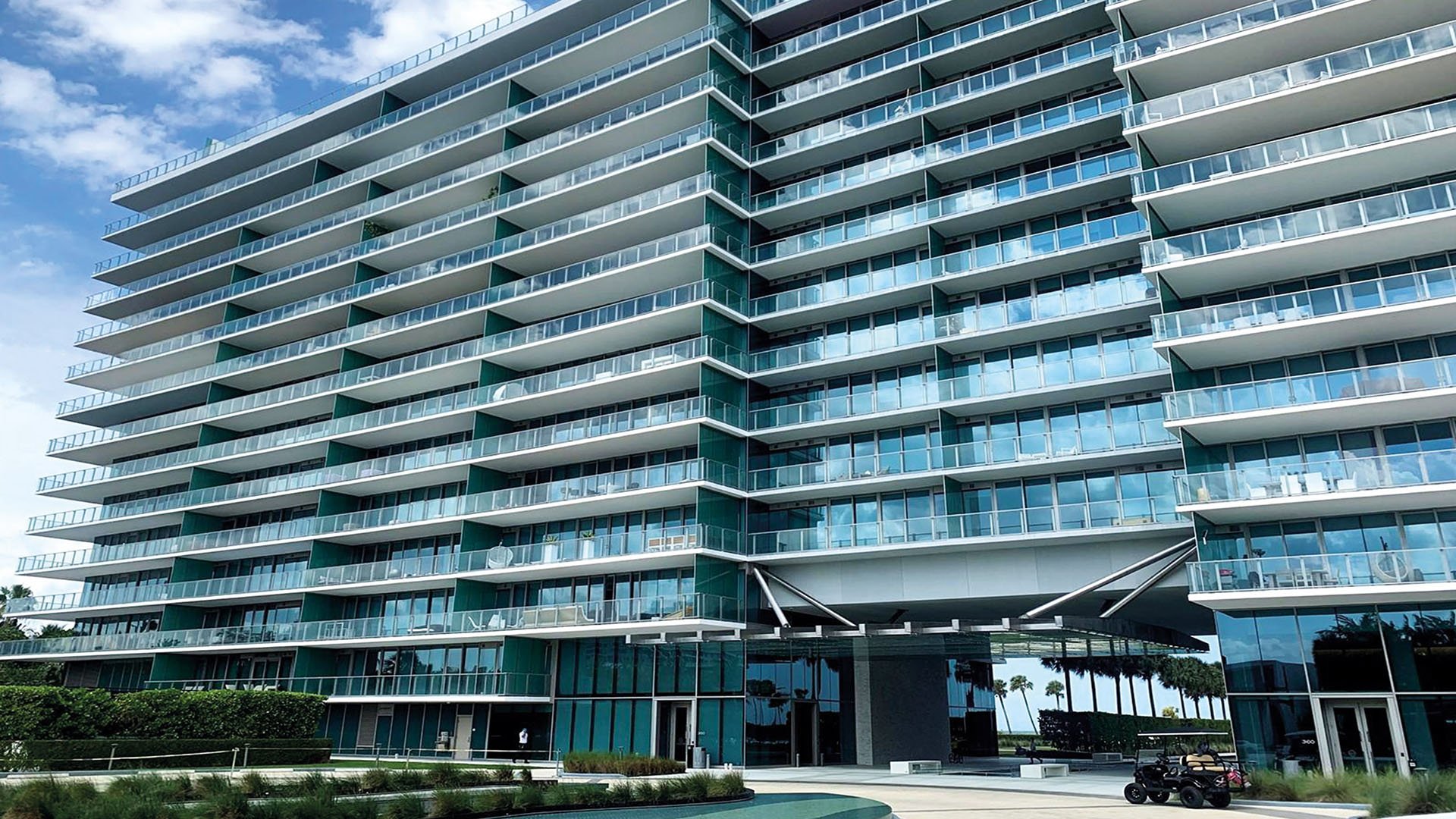
Waterfront ownership becomes a practical decision when the conversation moves from views to recurring obligations. Between Fisher Island and Key Biscayne, the meaningful comparison extends beyond purchase price and monthly association dues. Does the residence support your actual occupancy? Does the insurance reflect that use? Does the first-year budget capture the full cost of ownership?
There is no defensible island-wide insurance winner. The available figures describe different products, property types and coverage layers. A condominium master policy, an owner's HO-6 policy and a homeowners policy are not interchangeable. The disciplined approach is to compare specific residences using consistent assumptions, then let lifestyle determine which arrangement merits the investment.
Fisher Island's private ferry access shapes everyday planning. Personal travel, staff arrivals and deliveries all belong in the decision, especially for a household intending to make the island a permanent base rather than an occasional retreat.
For a buyer considering Palazzo del Sol, map an ordinary week before evaluating the extraordinary setting. Consider departures, household support and the practical rhythm of returning home. Test these arrangements against your routine rather than assuming that island living is inherently inconvenient.
Apply the same discipline to Key Biscayne: describe how the household will actually use the property before selecting coverage or setting tax expectations. A beautifully appointed residence should fit the calendar you keep, not the calendar imagined during a viewing.
Both islands are subject to the same Florida homestead eligibility test. Legal or beneficial title on January 1 and good-faith use as a permanent residence are central requirements. Neither location establishes eligibility on its own, and the test should not be reduced to an assumed annual day count.
Homestead reduces taxable value, not the tax bill dollar-for-dollar. The exemption structure includes a first $25,000 applying to all property taxes and an additional exemption applying only to non-school taxes. Confirm the applicable current-year amounts and your eligibility before including an exemption in a purchase model.
For buyers dividing their time among several residences, this distinction matters. A property intended for seasonal enjoyment should not automatically be budgeted as a qualifying permanent home. Have the ownership structure, intended use and relevant timing reviewed before assigning a tax benefit to the acquisition.
Insurance occupancy requires a separate conversation from homestead. Ask the insurer how it classifies the proposed use and obtain written clarification of any seasonal-use, extended-absence or vacancy conditions. Do not assume that a tax designation answers the carrier's underwriting questions.
Describe expected absences and any contemplated rental use accurately. Ask which changes require notification and what conditions apply while the residence is unoccupied. Look for the operative terms in the actual policy and underwriting confirmation, not in a general description of either island.
For Fisher Island condominiums, insurance operates at two levels: association master-policy premiums are typically included in HOA fees, while owners separately address unit-level coverage. When assessing Palazzo della Luna, request the relevant master policy, windstorm deductible, claims history, association financials and reserve study. The advertised monthly payment alone cannot answer those questions.
An illustrative Fisher Island estimate places individual HO-6, flood and windstorm coverage at $15,000-$75,000 annually across properties valued roughly between $5 million and $40 million. That broad range is not a quote for a particular residence, nor does it establish identical coverage or deductibles across properties.
Key Biscayne lies within a FEMA Special Flood Hazard Area. Standard homeowners insurance does not cover flood, so flood protection requires a separate review rather than an assumed place within the homeowners premium. Flood exposure alone does not establish an identical purchase requirement for every buyer, mortgage or policy arrangement.
A 2026 ZIP-code homeowners premium benchmark for 33149 is $19,963 annually. It is not an individual condominium HO-6 quote and cannot be compared directly with Fisher Island's broad owner-coverage range to declare one island cheaper.
Elevation, construction and coastal exposure affect property-specific pricing. Request quotations early enough to compare coverage limits, exclusions and deductibles-not merely annual premiums. For a condominium, also clarify the relationship between association protection and the proposed unit coverage. Keep the question precise: what is insured, by whom, and on what terms?
Two examples at Oceana Key Biscayne show why a building name is not a budget.
Unit 301N at 350 E Ocean lists $112,040 in 2024 property taxes and $4,388 in monthly HOA dues. Annualized dues total $52,656, bringing the combined listed taxes and annualized dues to $164,696.
Unit 205N at 350 Ocean Drive lists $33,102 in 2024 taxes and $3,030 in monthly dues. Annualized dues total $36,360, bringing the combined listed taxes and annualized dues to $69,462.
These historical tax figures and listed dues are not complete first-year ownership forecasts. They exclude other expenses and should not be treated as the future buyer's tax assessment or all-in carrying cost.
For Fisher Island, an illustrative $5 million condominium scenario models approximately $215,000 in annual carrying costs, including taxes, HOA, insurance, club expenses and utilities. Because it covers more categories, it is not directly comparable with either Oceana subtotal. Its value lies in identifying what to investigate, not in establishing an island-wide spending norm.
Start with a buyer-specific property-tax estimate and confirmed association dues. Add quoted owner-level insurance and flood coverage where applicable. Check whether association insurance is already embedded in dues to avoid counting it twice. Confirm any club obligations and estimate utilities and household services around your intended use.
Keep recurring costs separate from one-time acquisition or setup expenses. Identify any applicable assessments, membership charges or planned work rather than assuming they are included in the monthly payment. Set aside a clearly identified contingency for uncertain items; do not disguise uncertainty with a precise but unsupported total.
Fisher Island is a practical choice when its access arrangements fit the household and the specific residence withstands insurance and association review. Key Biscayne is a practical choice when its property-specific coverage and operating commitments fit the same financial brief. Neither location shortcuts homestead eligibility, and neither should be selected on a premium average alone.
For a discreet, residence-specific comparison of Fisher Island and Key Biscayne, connect with MILLION.
If branded residences are on your mind — as a home or as an allocation — we would be glad to share what we are seeing, privately.
Begin a quiet conversationNo. Both face the same Florida test, including legal or beneficial title on January 1 and good-faith use as a permanent residence.
No. Homestead reduces taxable value rather than the tax bill dollar-for-dollar; confirm current-year exemption amounts before budgeting.
No. Seasonal use does not itself establish permanent residence, and eligibility should not be reduced to an assumed day-count rule.
Ask how the intended use is classified and request written clarification of seasonal-use, extended-absence and vacancy conditions. Describe expected absences and any contemplated rental use accurately.
Association master-policy premiums are typically included in dues, but owners separately address unit-level coverage. Review both layers before preparing a budget.
Request the master policy, windstorm deductible, claims history, association financials and reserve study. Monthly dues alone do not provide a complete picture.
The available benchmarks do not establish a winner because they cover different policy types and properties. Compare property-specific quotations with equivalent coverage assumptions.
No. Evaluate flood coverage separately and confirm any requirements applicable to the ownership, financing and policy arrangement.
They combine 2024 property taxes with annualized listed HOA dues, totaling $164,696 for Unit 301N and $69,462 for Unit 205N. Neither subtotal is a complete first-year buyer budget.
Include a buyer-specific tax estimate, confirmed dues, quoted owner coverage, applicable club obligations, utilities and household services. Identify applicable assessments and keep one-time expenses and contingencies separate.