A buyer-focused framework for comparing wellness capacity, indoor-air disclosures, water filtration, amenity access, booking procedures, and operating costs at two Brickell residences.
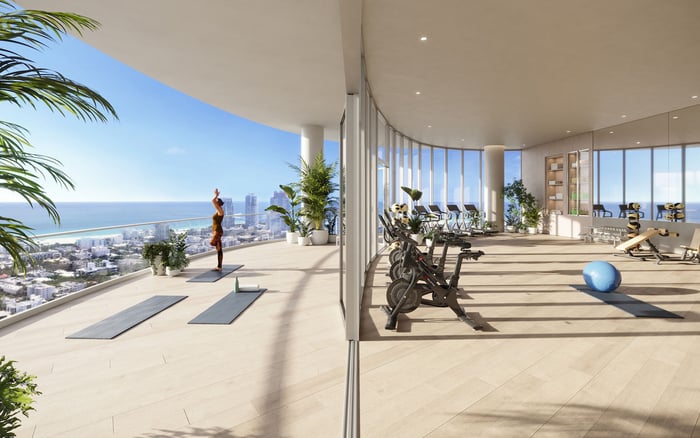
A wellness program should be evaluated as an operating system rather than a list of spaces. When comparing ORA by Casa Tua Brickell and St. Regis® Residences Brickell, buyers should determine how many residents and authorized guests can use each facility, when access is available, and whether reservations or separate charges apply.
Marketing materials can establish the intended experience, but they do not replace current governing documents, technical specifications, budgets, or written operating rules. Buyers should make any decision subject to review of the materials applicable to the residence and its amenities.
Start by identifying every space that requires an appointment, scheduled class, or controlled entry. For each one, request its occupancy limit, operating hours, staffing plan, reservation window, cancellation procedure, guest policy, and closure rules.
Capacity should then be tested against likely demand. A buyer can ask how access is managed during popular morning, evening, and weekend periods; whether owners receive priority; and whether tenants, household members, or guests may reserve independently. If the project permits any form of rental use, the buyer should review the current condominium documents and management terms to understand how that use may affect eligibility and demand.
The same method can support comparisons with nearby residential options such as House of Wellness Brickell and The Residences at 1428 Brickell. The objective is not to rank wellness branding, but to compare documented access and operational delivery.
Wellness language alone does not establish a specific level of indoor-air performance. Buyers should request written details for ventilation, filtration, humidity control, equipment maintenance, and the allocation of responsibilities between the association and the residence owner.
Useful documents may include applicable mechanical plans, equipment schedules, filter specifications, maintenance protocols, and written descriptions of any optional in-residence upgrades. Buyers should also clarify whether a stated feature applies throughout the building, only in common areas, or only within individual residences.
Wet wellness areas require additional questions about exhaust, moisture management, inspection, and maintenance. The goal is to understand how the relevant systems are intended to operate and who is responsible for monitoring and servicing them.
A premium fixture package or wellness theme should not be treated as proof of drinking-water filtration. Buyers should request plumbing plans and written specifications identifying which outlets, if any, receive treated water.
The review should distinguish among incoming building water, kitchen drinking water, ice-maker supply, bathroom fixtures, and selected point-of-use systems. If treatment is included, ask about the method, testing procedure, service interval, replacement process, warranty, and party responsible for recurring costs.
Reservation rules can materially affect the value of a wellness program. Buyers should obtain written terms covering advance-booking periods, limits on concurrent reservations, cancellation and no-show procedures, guest access, tenant access, owner priority, private-event closures, and any service-specific fees.
The financial review should identify whether operations are funded through association assessments, user fees, third-party agreements, or a combination of sources. Buyers should also ask how staffing, equipment replacement, maintenance, and future program changes are addressed in the applicable budgets and agreements.
A practical comparison should separate four subjects: physical inventory, usable capacity, technical systems, and binding access rules. Any unresolved point should remain a due-diligence question rather than being inferred from branding or presentation materials.
Does an extensive wellness program guarantee convenient access? No. Operating hours, occupancy limits, staffing, reservation demand, and access rules determine practical availability.
Which capacity records should a buyer request? Ask for occupancy limits, class sizes, appointment availability, operating schedules, staffing information, and applicable reservation procedures.
How should buyers assess owner priority? Review written rules identifying who may reserve, how early each user category may book, and whether priority changes during busy periods.
Why should rental provisions be reviewed with wellness rules? Rental eligibility and guest privileges may affect who can use reservable facilities. Current governing documents should define those rights.
What indoor-air information is useful? Request ventilation and filtration specifications, humidity-control details, maintenance protocols, and a clear division of owner and association responsibilities.
Why do wet wellness areas require additional review? Buyers should understand the applicable exhaust, moisture-management, inspection, and maintenance procedures for those spaces.
Does a wellness theme confirm drinking-water filtration? No. The treatment scope and covered outlets should be verified through written plumbing and equipment specifications.
Who may be responsible for filter replacement? Responsibility may depend on where the equipment is located and what the governing documents or service terms require. Buyers should confirm this in writing.
Which booking terms deserve close attention? Review reservation windows, concurrent-booking limits, cancellation procedures, guest rights, tenant rights, closures, and separate fees.
How can buyers compare the two Brickell residences consistently? Use the same checklist for capacity, technical documentation, access rights, recurring costs, and maintenance obligations at each property.
When you're ready to tour or underwrite the options, connect with MILLION.
If branded residences are on your mind — as a home or as an allocation — we would be glad to share what we are seeing, privately.
Begin a quiet conversation