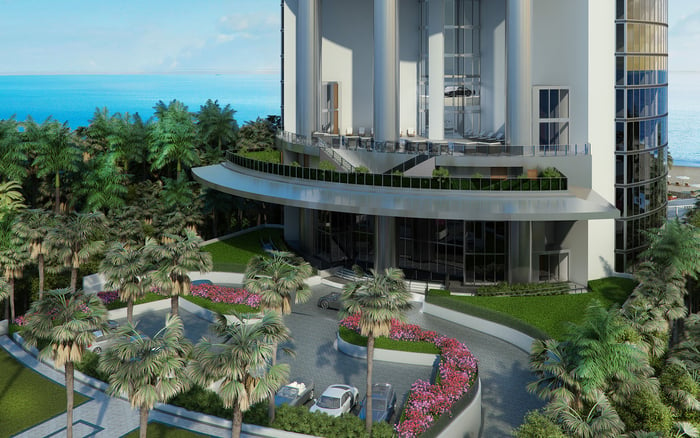
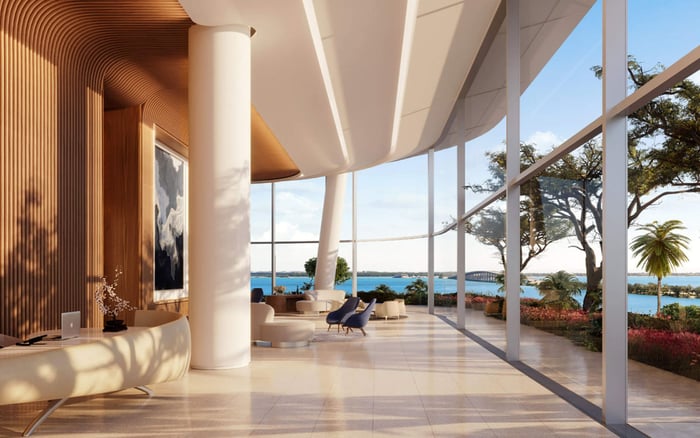
A disciplined framework for Greenwich sellers evaluating a Key Biscayne home, from parcel-level flood mapping and elevation records to condominium coverage gaps and physical resilience.
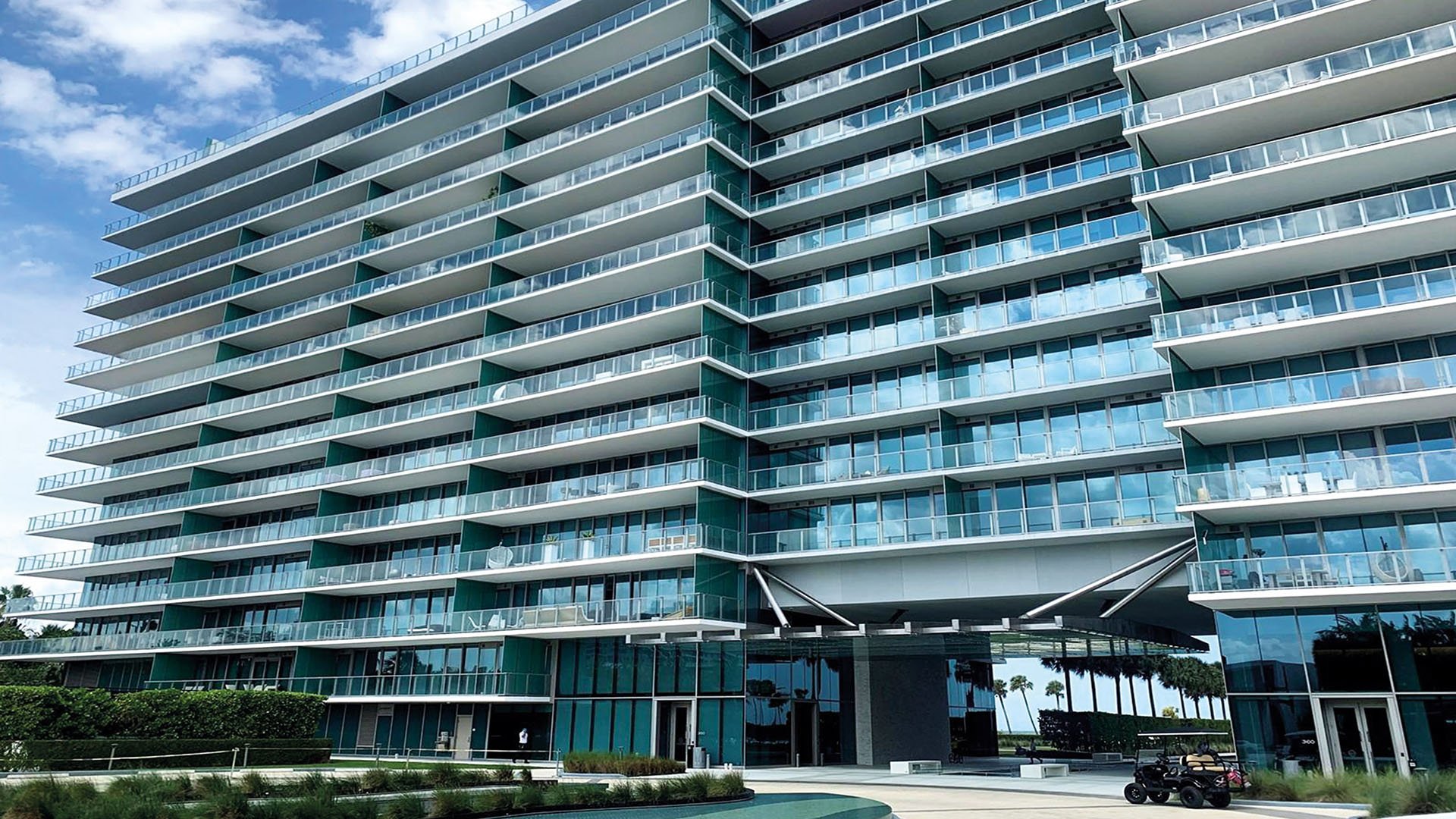
Selling in Greenwich and buying in Key Biscayne can feel like exchanging one established coastal market for another. The discipline of documentation transfers well, but the questions change. In Greenwich, a current survey and flood-map elevations help establish whether a property lies within a Special Flood Hazard Area. In South Florida, the same insistence on current, property-specific records should shape the review from the first serious showing.
Do not accept a broad statement that a residence is simply “in a flood zone” or “outside the flood zone.” Key Biscayne parcels may carry AE or coastal VE designations, and the designation must be verified for the exact property on the current effective Flood Insurance Rate Map, or FIRM. Confirm whether the specific address falls within a Special Flood Hazard Area.
This distinction matters whether the search centers on a condominium such as Oceana Key Biscayne or a single-family property. Flood-zone review is the first layer of diligence, not a verdict on quality, desirability, or insurability.
An Elevation Certificate records the building’s lowest-floor elevation relative to the Base Flood Elevation and documents floodplain compliance. Treat it as a working technical document for the buyer’s surveyor, insurance adviser, attorney, and, when renovations are contemplated, design team.
First, confirm that the certificate identifies the correct building and corresponds to the current FIRM. An older certificate may reflect a prior map or zone designation. Next, determine which level legally constitutes the lowest floor, how enclosures and equipment are documented, and whether garages, storage areas, or other lower spaces require separate attention.
Existing Elevation Certificates may be available through a public database, the local floodplain manager, state floodplain office, seller, developer, deed records, or permitting files. If no current certificate is available, a qualified surveyor or engineer may need to prepare one before insurance terms and renovation decisions can be finalized.
For buyers comparing island property with other Oceanfront choices, including Eighty Seven Park Surfside, the principle remains constant: elevation is building-specific. Surfside, Key Biscayne, and other coastal addresses should never be compared through neighborhood shorthand alone.
For a condominium acquisition, determine whether a flood master policy actually exists. Do not infer coverage from the presence of the association’s property, wind, or liability insurance. Each policy addresses different risks; one should not be expected to remedy another’s exclusions.
An NFIP Residential Condominium Building Association Policy, commonly called an RCBAP, insures eligible condominium-building property. It is generally written on an all-in building basis, which can place permanently installed flooring, cabinets, and fixtures within building property. The exact policy, declarations, and endorsements still govern the result.
The RCBAP does not insure an owner’s furniture, clothing, electronics, or other personal belongings. It also excludes additional living expenses, loss of use, loss of access, and loss of profits. If a covered flood makes a residence temporarily uninhabitable, the association policy should not be expected to fund the owner’s alternate accommodation.
Coverage also has limits beyond the residence. Standard condominium flood protection excludes property such as trees, plantings, fences, seawalls, patios, pools, and most self-propelled vehicles. It pays for direct physical loss by or from flood, while exclusions include earth movement and ordinance-or-law costs. Preventable moisture, mildew, or mold damage is not covered.
These limitations warrant equal attention in other Waterfront and high-rise settings, from Una Residences Brickell to The Ritz-Carlton Residences® Miami Beach. Brickell and Miami Beach may offer different lifestyles, but the buyer must still reconcile the unit policy with the association’s actual insurance architecture.
Elegant common areas can distract from the assets most exposed to interruption. Review garages, storage rooms, mechanical equipment, electrical systems, gyms, pools, drainage, pumps, seawalls, and other low-level or outdoor components. Some buildings may carry modest flood limits or restrictions affecting lower floors and parking areas.
Request the complete policy and declarations, then compare limits, deductibles, exclusions, and lower-level restrictions with the building’s replacement exposure. Confirm whether replacement-cost conditions are satisfied and how underinsurance or a large deductible could translate into an owner assessment.
Board minutes, engineering reports, reserve studies, prior flood claims, and records concerning pumps, drainage, water intrusion, garages, and seawalls provide essential context. They can reveal whether the association treats resilience as a continuing capital obligation rather than an occasional repair.
Before waiving contingencies, align four workstreams: current flood-zone confirmation, a usable Elevation Certificate, a complete association insurance review, and an inspection of vulnerable building components. This sequence allows insurance pricing and renovation assumptions to be tested before finishes or carrying costs are treated as settled.
A personal coverage review should separately consider HO-6 protection, flood-contents insurance, additional living expense needs, and excess flood coverage. For planned work, confirm permitting and elevation-document requirements before specifying expensive materials for lower-level spaces. Code-driven elevation work, seawall improvements, and other resilience upgrades should not be assumed recoverable under the association flood policy.
The objective is not to eliminate coastal risk. It is to define who owns each risk, which document governs it, and what capital may be required if insurance does not respond.
Can a neighborhood description confirm a Key Biscayne flood zone? No. Verify the exact parcel’s designation on the current effective FIRM.
What does an Elevation Certificate establish? It records the lowest-floor elevation relative to the Base Flood Elevation and documents floodplain compliance.
Where can a buyer look for an existing certificate? Search the public database and request records from floodplain offices, the seller, developer, and permitting or deed-record offices.
What if the existing certificate relies on an older map? Confirm its relationship to the current FIRM and obtain professional guidance on whether an updated certificate is needed.
Does a condominium master policy automatically include flood coverage? No. Verify that a flood policy exists and obtain the complete contract, declarations, and endorsements.
Does an RCBAP cover personal belongings? No. Furniture, clothing, electronics, and other owner contents require separate consideration.
Will the association flood policy pay for temporary housing? No. The standard RCBAP excludes additional living expenses and loss of use.
Are seawalls and pools covered by standard condominium flood insurance? Standard coverage excludes seawalls, pools, patios, plantings, fences, and other listed outdoor property.
Why review garages and mechanical rooms? Lower-level assets may face restricted or unavailable coverage and can create substantial repair or assessment exposure.
Which personal policies should be evaluated? Consider HO-6 coverage, flood-contents insurance, additional living expense protection, and any appropriate excess flood coverage.
For a tailored shortlist and next-step guidance, connect with MILLION.
If branded residences are on your mind — as a home or as an allocation — we would be glad to share what we are seeing, privately.
Begin a quiet conversation