A disciplined Coral Gables purchase begins by separating Malibu sale proceeds from truly deployable cash, confirming any securities-backed credit before contracting, and defining appraisal exposure in exact dollars.
The headline proceeds from a Malibu sale are not the same as the amount available for a Coral Gables purchase. A useful plan begins with the expected net proceeds and then separates money needed for obligations, transaction expenses, reserves, and the Florida closing. Tax treatment should be reviewed with qualified advisers before any amount is committed to a purchase contract.
Timing matters as much as the total. A buyer should know when the Malibu proceeds are expected, when they will be accessible, and which Coral Gables contract payments come due first. Funds needed for a deposit or closing should not depend on an unresolved event or an unconfirmed transfer.
A strong cash strategy is built around accessible capital, protected reserves, and realistic dates.
The resulting budget should distinguish among the maximum purchase price, the amount available for deposits, the reserve for closing and ownership needs, and any capital allocated to a valuation shortfall. Keeping those categories separate helps prevent an appealing property from pushing the acquisition beyond the buyer's intended exposure.
A cash purchase strategy should be mapped as a sequence rather than treated as a single wire at closing. The schedule may include the Malibu closing, access to sale proceeds, Coral Gables deposit dates, due-diligence milestones, any appraisal period, and the purchase closing. Each obligation should have an identified funding source and a backup plan where appropriate.
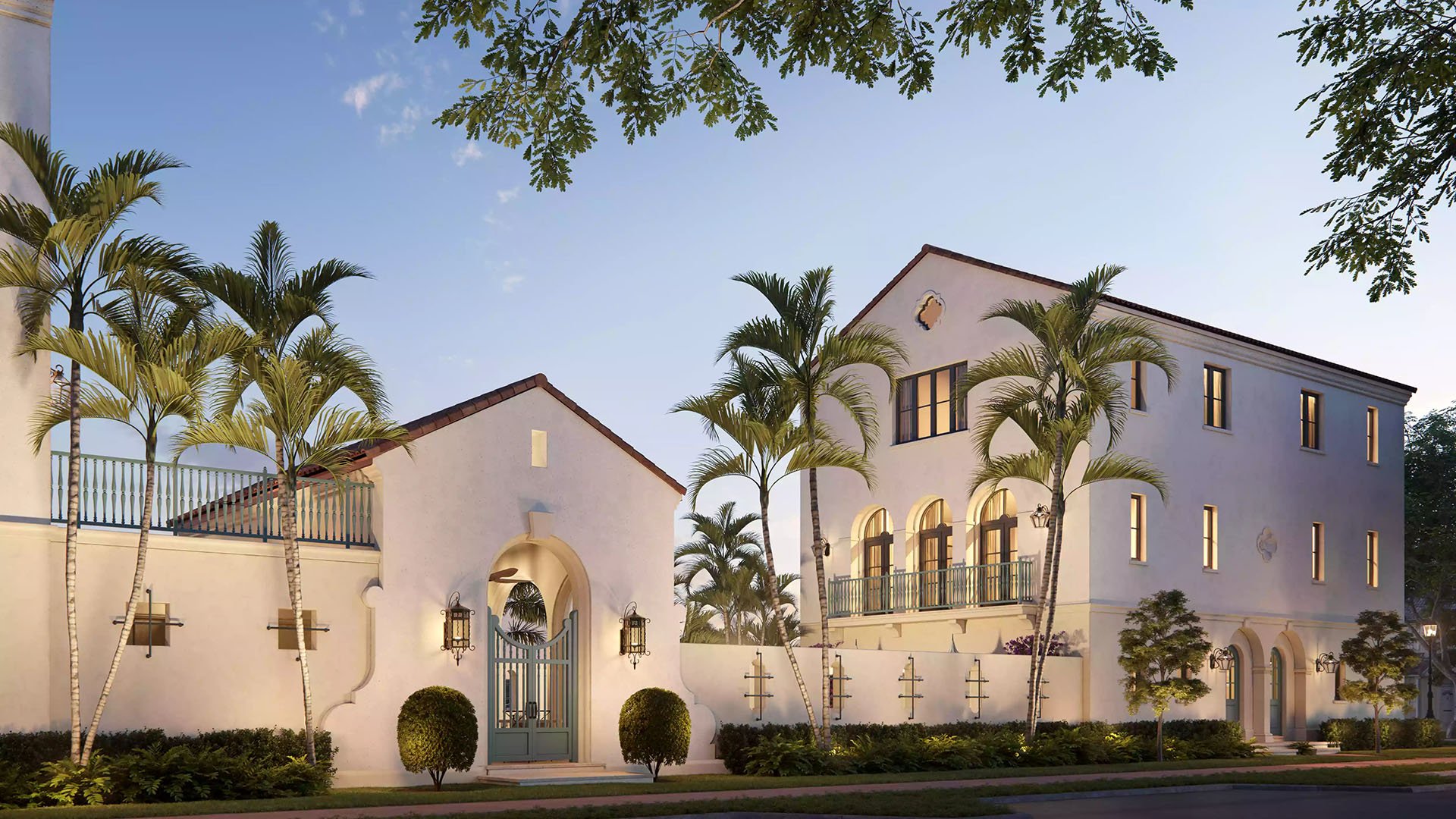
This framework can guide the property search. A buyer comparing established Coral Gables homes with The Village at Coral Gables can evaluate both choices against the same limits for price, deposits, reserves, and valuation exposure. The same approach applies to Ponce Park Coral Gables and Cora Merrick Park.
Proof of funds should correspond to capital that can perform within the proposed contract schedule. If sale proceeds will not be available by an early deadline, another source of liquidity should be arranged and verified before the offer depends on it. The objective is not simply to present a cash offer, but to ensure that the offer can be completed without disrupting protected reserves or forcing an unplanned asset sale.
Securities-backed credit may serve as a liquidity option when the timing of sale proceeds and purchase obligations does not align. It may also allow a buyer to avoid treating an immediate portfolio sale as the only way to fund a deposit or closing. Its usefulness, however, depends on the lender's approval, collateral requirements, borrowing terms, documentation, and draw process.
A buyer should confirm those details directly with the lender before including the facility in a funding plan. An indicative conversation is not the same as established access to capital. The contract schedule should reflect when a draw can be completed and when the resulting funds will be available.
The credit line should also be considered alongside a separate reserve. Using every available dollar for the purchase price can leave little room for closing expenses, a valuation issue, or post-closing needs. A written capital plan can show which obligations are covered by sale proceeds, which may be covered by credit, and which funds remain untouched.
Consistent underwriting is useful when the search extends beyond Coral Gables. For example, a buyer also considering Four Seasons Residences Coconut Grove can apply the same standards for accessible funds, confirmed credit, reserves, and contractual timing while keeping the principal search focused on Miami-Dade County.
A cash buyer may still choose to obtain an appraisal or negotiate contractual protection tied to valuation. The appropriate approach depends on the specific contract language, the buyer's objectives, and the advice of Florida counsel. The central financial question is how much of a shortfall the buyer is prepared to cover if the appraised value is below the contract price.
A defined appraisal-gap cap expresses that decision in dollars. Rather than accepting unlimited exposure, the buyer can identify a maximum contribution toward a valuation difference and determine what should happen if the shortfall exceeds that amount. The contract must clearly reflect the intended cap, applicable deadlines, notice requirements, and available remedies.
Waiving appraisal protection creates a different risk profile. A buyer considering that step should confirm that accessible cash or committed credit can cover the contemplated purchase even if the valuation does not support the agreed price. An offer should not rely on the assumption that the appraisal will eliminate the gap.
If a valuation is lower than expected, possible responses may include contributing additional funds, seeking revised terms, or presenting relevant property information through the appropriate process. The available path depends on the signed agreement and the circumstances, so the capital plan and contract language should be reviewed together rather than in isolation.
The offer should translate the buyer's financial boundaries into clear contractual terms. Important points for review include deposit timing, the appraisal framework, the maximum valuation exposure, notice dates, closing timing, and the treatment of the deposit if a contractual right is exercised. A Florida real-estate attorney can assess how the selected agreement expresses those intentions.
The lender, tax adviser, attorney, and real-estate team each address a different part of the transaction. The tax adviser can help estimate the portion of Malibu proceeds that should remain reserved. The lender can confirm whether securities-backed liquidity is available on the required schedule. Counsel can review the appraisal and deposit provisions. The real-estate team can keep the Coral Gables search and offer strategy within the approved financial range.
A competitive offer does not require abandoning every protection. Its strength can come from verified funds, practical dates, clear terms, and a defined response to valuation risk. Those elements give the seller a more coherent proposal while preserving the buyer's chosen limits.
Before signing, the buyer should be able to identify the source of every required payment, the date each source becomes available, the reserve that will remain after closing, and the maximum appraisal gap the buyer is willing to absorb. Any securities-backed facility should be confirmed under the lender's actual terms rather than treated as an assumed resource.
The final strategy is coordinated: Malibu net proceeds establish the foundation, verified credit may address timing, the appraisal decision defines valuation exposure, and the contract calendar connects every obligation. For discreet guidance on Coral Gables opportunities and acquisition planning, connect with MILLION.
If branded residences are on your mind — as a home or as an allocation — we would be glad to share what we are seeing, privately.
Begin a quiet conversationBegin with expected net proceeds, then reserve funds for obligations, transaction expenses, the Coral Gables closing, and post-closing needs. A qualified tax adviser should review the estimate before funds are committed.
The sale price does not reflect deductions, obligations, reserves, or the timing of accessible proceeds. The purchase budget should be based on capital that can actually be used.
It should be prepared before an offer is made. Each deposit and closing obligation should have an identified source available by the required date.
It may provide liquidity when sale proceeds and purchase deadlines do not align. Availability depends on the lender's approval, terms, collateral requirements, and draw process.
The facility should be confirmed before an offer relies on it. The buyer should understand both the approved capacity and the timing required to access funds.
The decision should account for closing expenses, valuation exposure, and post-closing reserves. A separate buffer can help prevent the purchase from consuming all available liquidity.
An appraisal can help the buyer evaluate valuation risk even when financing is not required. Any related contractual rights depend on the signed agreement.
It states the maximum valuation shortfall the buyer is prepared to cover. The contract should also address what happens if the gap exceeds that amount.
A Florida real-estate attorney should review the relevant terms, deadlines, notices, remedies, and deposit treatment before execution.
Verified funds, realistic deadlines, clear contract terms, protected reserves, and a defined valuation strategy create a more reliable offer.