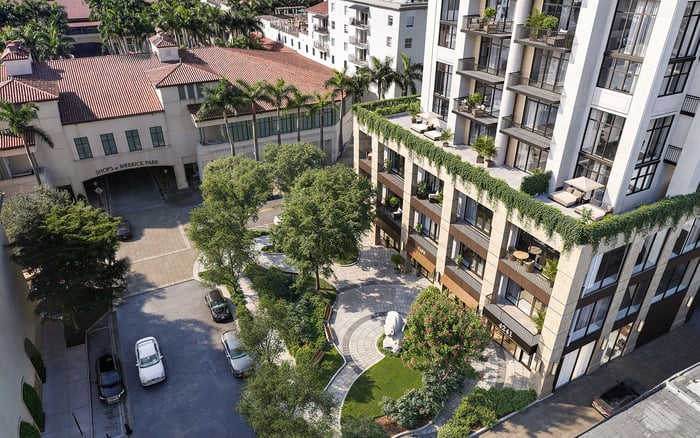
A discreet insurance diligence framework for family offices evaluating Coral Gables residences, with emphasis on reconstruction valuation, condominium assessments, percentage deductibles, and coordinated umbrella liability.
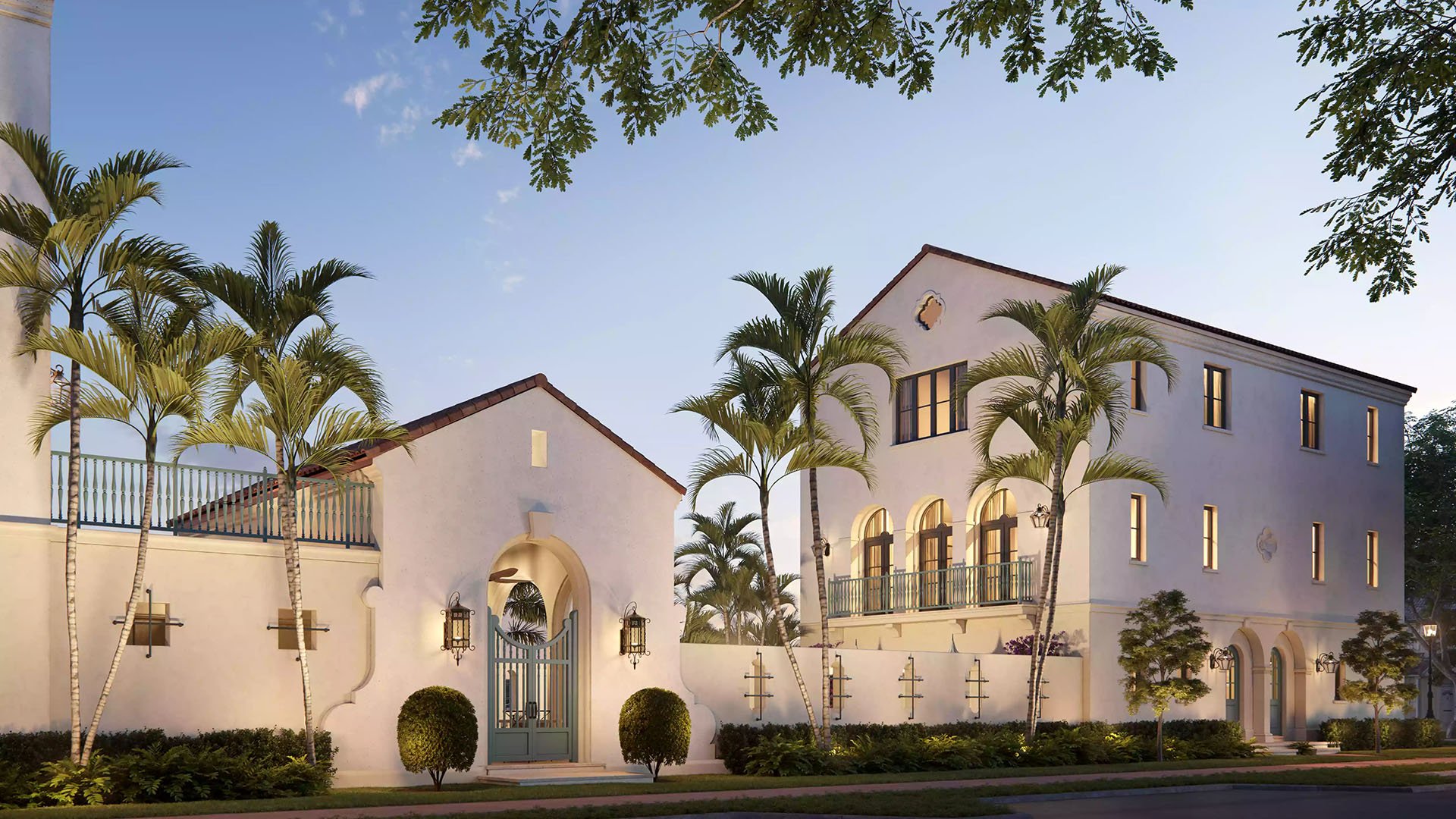
A family office moving its principal from Los Angeles to Coral Gables should treat property insurance as a fresh underwriting exercise. The purchase price and the dwelling limit on a previous policy answer different questions from a reconstruction review. Before binding coverage, the buyer’s advisers should evaluate the residence’s physical scope, materials, built-ins, systems, finishes, site conditions, and other features that could affect a covered repair or rebuilding project.
The resulting valuation should then be compared with the proposed policy limits, deductibles, exclusions, settlement provisions, and available endorsements. This review is particularly important for a customized residence, where a generic estimate may not capture the specification the family expects to restore after a loss. The family office should also ask how the policy would address added work associated with applicable building requirements, without assuming that every resulting cost is included.
The purchase price is not a reconstruction estimate, and a former dwelling limit is not a Coral Gables valuation.
The distinction remains important when the search includes both custom single-family homes and condominium residences such as Ponce Park Coral Gables. The diligence process changes with the ownership structure, even when two residences have similarly refined interiors.
For a condominium acquisition, the family office should read the master policy, declaration, bylaws, unit boundaries, and proposed unit-owner policy together. The objective is to identify which property the association intends to insure, which elements remain the owner’s responsibility, and how the documents address uninsured damage or shared costs.
Custom millwork, stone, integrated lighting, upgraded appliances, built-ins, and owner-installed improvements deserve itemized attention. An inventory can help the insurance adviser compare the residence’s interior specification with the master policy and condominium documents. The same discipline should be applied to each candidate, including Cora Merrick Park and The Village at Coral Gables. A project’s positioning does not replace building-level insurance review.
The document request should cover the current master policy, property limits, deductibles, relevant endorsements, exclusions, common-area liability provisions, unit-owner requirements, and the process for allocating costs. Any inconsistency between the insurance contract and the governing documents should be raised with qualified legal and insurance advisers before the buyer relies on a coverage assumption.
A percentage deductible can look modest when presented only as a rate. The family office should convert every percentage into a dollar amount using the policy value to which it applies, then include that amount in the acquisition’s liquidity analysis. The same exercise should be repeated when renewal terms or insured values change.
Condominium diligence requires a related assessment model. Review the association deductible, the relevant insured value, the unit’s allocation share, and the governing documents’ assessment provisions. Ask the insurance adviser to model several loss scenarios, including a deductible allocation, an uninsured portion of a claim, and repair costs that exceed available insurance proceeds. The analysis should follow the documents rather than an informal assumption that every unit bears an equal share.
This framework also helps when comparing Coral Gables condominiums with another South Florida option such as Park Grove Coconut Grove. Premium alone does not reveal the owner’s potential balance-sheet exposure. Policy architecture, deductibles, owner responsibilities, assessment allocation, and the quality of the supporting documents should be compared on a consistent basis.
Loss-assessment coverage should not be treated as a substitute for the association’s insurance or the owner’s broader liquidity planning. Its response depends on the policy language, the cause of the assessment, the nature of the damaged property, applicable exclusions, and the relationship between the unit-owner policy and other insurance.
Before closing, request examples of how the proposed policy would evaluate an assessment tied to covered property damage. Ask whether the limit is shared across related assessments, which deductible applies, what documentation is required, and how the timing of the underlying event affects the available coverage. These questions should be answered in writing by the appropriate adviser or carrier representative.
Coverage decisions should be completed before a loss occurs. Increasing a limit after an event may not address an assessment connected with that event, subject to the actual policy terms. The family office should therefore select limits through a pre-closing stress test rather than waiting for the association to announce a charge.
Not every condominium assessment should be modeled as an insurance claim. Reserve contributions, maintenance, inspections, structural work, and capital improvements can create ownership costs that require separate analysis. Whether a particular assessment is covered depends on the policy wording and the circumstances that produced it.
Maintain two planning models. The insurance model should evaluate potential covered losses, deductibles, limits, exclusions, and assessment coverage. The ownership model should budget for association obligations and property work without presuming reimbursement. Keeping the two models separate gives the investment committee a clearer view of both insured risk and recurring or extraordinary ownership costs.
If an assessment follows a loss, preserve the board minutes, assessment resolution, notices, invoices, supporting reports, and records connecting the charge to the event. Property management, coverage counsel, and the insurance adviser should coordinate promptly so that the association’s records and the unit owner’s submission are complete and consistent.
Umbrella liability should be reviewed against the household’s complete exposure map rather than purchased as an isolated limit. The family office should ask the issuing carrier to identify the required underlying policies and limits for the home, automobiles, watercraft, and any relevant entity-owned assets. A prior Los Angeles program should not be assumed to satisfy the new carrier’s requirements without written confirmation.
Ownership and insurance records should also be compared. Review named insureds, additional insureds, property-owning entities, resident family members, domestic staffing arrangements, vehicles, and watercraft with the appropriate legal and insurance advisers. The intended sequence should be clear: the correct underlying policy responds first, and the umbrella attaches according to its terms.
Entity planning requires particular care because legal ownership, occupancy, and policy status may not align automatically. Any trust, company, or other ownership vehicle involved in the Coral Gables acquisition should be disclosed to the advisers structuring the program. Coverage assumptions should be documented before closing rather than inferred from a certificate or summary.
Before the deposit becomes nonrefundable, seek the reconstruction valuation, specimen owner policy, available master-policy documents, condominium governing documents, assessment history, and current deductible schedule. Prepare a written matrix showing what the association is expected to insure, what the owner must insure, how potential uninsured costs may be allocated, and which underlying policies support the umbrella.
Immediately before closing, confirm that limits, deductibles, endorsements, named insureds, ownership details, and effective dates match the final transaction structure. Open questions should be assigned to the appropriate insurance, legal, property, or tax adviser rather than resolved through assumption. A family office should treat the review as balance-sheet governance, not administrative housekeeping.
For discreet guidance on Coral Gables acquisition strategy and residence selection, connect with MILLION.
If branded residences are on your mind — as a home or as an allocation — we would be glad to share what we are seeing, privately.
Begin a quiet conversationNot without review. Commission a residence-specific reconstruction valuation and compare it with the proposed policy terms.
No. Purchase price and reconstruction cost measure different aspects of the residence.
Review the master policy, declaration, bylaws, unit boundaries, assessment provisions, and proposed unit-owner policy together.
Prepare an itemized inventory of finishes, built-ins, appliances, systems, and owner-installed improvements for comparison with the insurance documents.
Convert the percentage into a dollar amount using the policy value to which it applies, then include the exposure in liquidity planning.
Model the association deductible, the unit’s documented allocation share, uninsured damage, and costs that could exceed available proceeds.
No. Coverage depends on the policy language, the cause of the assessment, the property involved, and any applicable exclusions.
Keep board minutes, resolutions, notices, invoices, reports, and records connecting the assessment to the underlying event.
Confirm the required underlying home, auto, watercraft, and entity policies and align them with the ownership structure.
Recheck limits, deductibles, endorsements, named insureds, ownership details, and effective dates against the final transaction structure.