For a Coral Gables waterfront purchase, the decisive number may be the long-term cost of maintaining the shoreline, preserving lawful vessel access, securing permits, and assembling adequate flood insurance. A disciplined review can reveal obligations that the asking price alone cannot capture.
A Coral Gables waterfront address is often evaluated by its frontage, architecture, privacy, and proximity to open water. Yet the more consequential financial question begins at the waterline. A seawall requiring intervention, undocumented dock work, constrained vessel access, or an insurance gap can reshape the ownership proposition long after the purchase price is negotiated.
Sophisticated due diligence should therefore treat the shoreline as infrastructure, not scenery. Residences with similar asking prices can carry materially different long-term obligations based on elevation, seawall condition, navigability, flood exposure, permit history, and the allocation of maintenance responsibility. In the estates and single-family segment, those differences can affect renovation plans, boating utility, insurability, and eventual resale.
The more revealing financial question begins at the waterline.
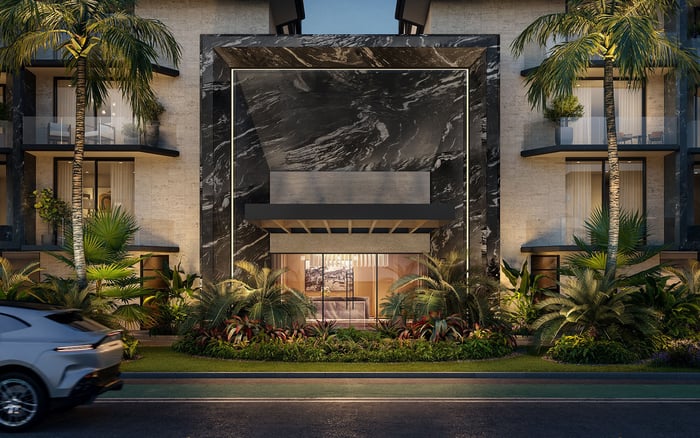
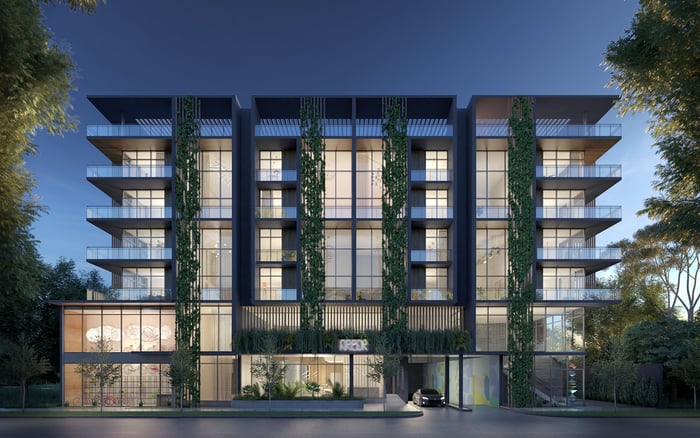
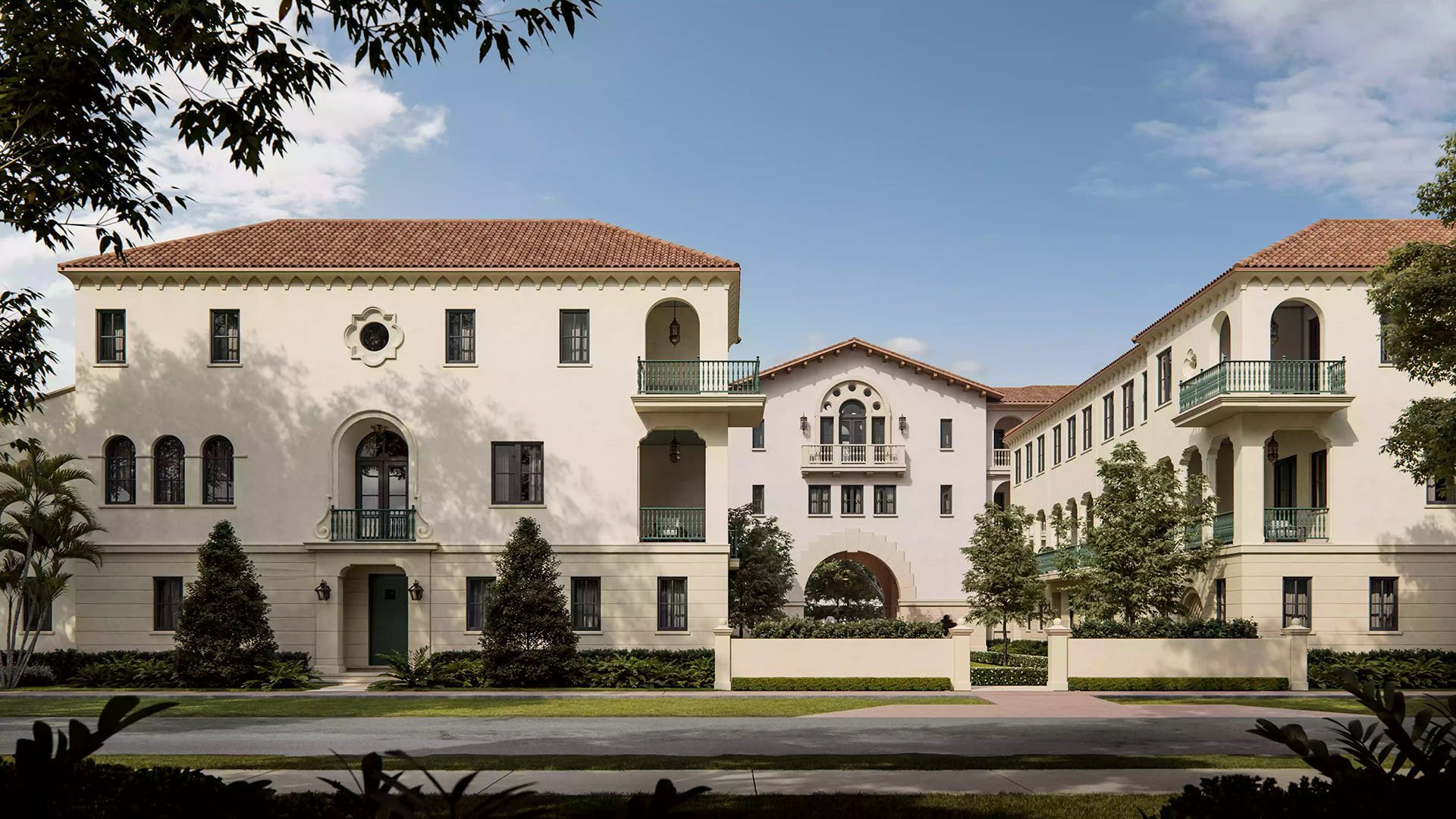
The same principle informs comparisons with managed residential settings. Buyers considering Ponce Park Coral Gables, The Village at Coral Gables, or Four Seasons Residences Coconut Grove may be evaluating a different allocation of exterior responsibilities than purchasers of a privately maintained canal estate. The issue is not which model is universally better, but where the obligations sit and how clearly they can be quantified.
A waterfront-specific inspection should extend beyond a general home review. The seawall or bulkhead, cap, tiebacks, dock connections, and visible indications of erosion or soil loss all warrant focused assessment. Surface appearance alone may not reveal how the assembly is performing or what work could become necessary.
Responsibility must be established as carefully as condition. Depending on the property and its governing documents, shoreline obligations may rest with an owner, an association, or another party. Buyers should compare those documents with surveys, physical boundaries, available permits, and maintenance records. A shared edge condition or easement can complicate assumptions based solely on what is visible from the property.
The inspection should support a discussion of scope rather than a simple pass-or-fail conclusion. Engineering, construction access, permitting, and timing may each influence the total ownership cost. Separating immediate concerns from longer-term capital planning helps a buyer evaluate the shoreline as part of the investment rather than as an isolated feature.
Docks, seawalls, dredging, filling, and other shoreline alterations may be subject to governmental review. The applicable pathway depends on the proposed work, the waterway, site conditions, jurisdiction, and existing records. A repair should not be assumed to carry the same review requirements as an expansion or a newly configured waterfront improvement.
The lesson is straightforward: shoreline ambitions should be tested before they are priced. A conceptual dock, revised boat notch, or altered waterline may be architecturally appealing, but feasibility depends on documented conditions and formal review. Buyers should ask qualified professionals to identify the relevant authorities, records, application requirements, and likely sequencing for the specific property.
Permit history can also reveal whether existing improvements align with available documentation. Missing or inconsistent records do not automatically establish the condition of an improvement, but they do justify deeper investigation before contract deadlines expire. The review should address docks, seawalls, dredging, filling, and other shoreline work that could affect future plans.
A canal behind a house does not, by itself, establish that a buyer's intended vessel can reach or use the property. Due diligence should examine measured depth, bridge clearance, tidal conditions, dock geometry, turning constraints, and any documented limits on maintenance work. These findings should be tested against the buyer's vessel rather than a generic description of navigability.
Dredging requires particular care because a desire for greater depth does not establish a right to create or maintain it. Available permits and historical records may influence what work can be considered. The handling of removed material, construction access, nearby properties, and drainage conditions may also affect feasibility and cost.
For a buyer focused on a marina lifestyle, the critical asset is not merely a dock. It is lawful, practical, and repeatable access under real conditions. A marine specialist, surveyor, engineer, and permitting professional may answer different parts of that question, so their findings should be reconciled before the buyer relies on the property's boating utility.
Waterfront insurance analysis should not rely on listing estimates or a seller's current premium. Buyers should obtain quotations for the specific property and proposed ownership profile, then review coverage terms, exclusions, deductibles, limits, and any conditions identified during underwriting.
Flood protection deserves a distinct discussion with an insurance professional. The current elevation documentation, flood designation, construction characteristics, improvement history, and prior loss information can all inform that review. The objective is not merely to confirm that a policy is available, but to understand whether the contemplated coverage aligns with the residence and the buyer's risk tolerance.
Luxury replacement exposure adds another layer. Custom finishes, specialized systems, waterfront structures, and planned renovations may not be addressed adequately by broad assumptions. Insurance should therefore be evaluated alongside the inspection and capital plan, not treated as an administrative task at the end of due diligence.
A complete waterfront review aligns the shoreline assessment, survey, elevation records, flood information, permit history, vessel requirements, insurance quotations, and responsibility documents. Each item answers a different question; together, they define how the property can be used, maintained, improved, and insured.
The ownership model should distinguish known work from contingent exposure. Potential categories include shoreline maintenance, periodic inspections, marine construction, professional services, permitting, access constraints, insurance, and supplemental coverage. Buyers should also consider how future projects could affect use of the residence while work is reviewed or completed.
Contract deadlines need to provide enough time for appropriate specialists and insurers to evaluate the property. A general inspection may identify visible concerns, but it may not resolve structural, marine, legal, permitting, or insurance questions. Coordinating those workstreams early allows the buyer to make decisions using a consolidated view of the waterfront asset.
This framework does not diminish the appeal of waterfront living. It protects it. When shoreline condition, vessel access, documentation, responsibilities, and coverage are understood before closing, the buyer can assess the residence as a complete coastal asset rather than an elegant house with unpriced obligations beyond the terrace.
For discreet guidance on evaluating South Florida's finest waterfront opportunities, connect with MILLION.
If branded residences are on your mind — as a home or as an allocation — we would be glad to share what we are seeing, privately.
Begin a quiet conversationShoreline work can introduce engineering, construction, access, permitting, and timing considerations that change the total ownership cost.
It should examine the seawall or bulkhead, cap, tiebacks, dock connections, and visible indications of erosion or soil loss.
The responsible party may depend on governing documents, boundaries, easements, and the property's specific arrangements.
No. Surface appearance may not reveal how the full structural system is performing.
Available records can help clarify prior shoreline work and inform the feasibility of future improvements.
No. Depth, clearance, tides, dock geometry, turning constraints, and documented limitations should be tested for the intended vessel.
No. Any proposed dredging should be evaluated against property-specific conditions, records, and applicable review requirements.
Buyers should obtain property-specific quotations and review terms, exclusions, deductibles, limits, and underwriting conditions.
Elevation records, flood information, construction details, improvement history, and prior loss information can support the discussion with an insurance professional.
It should combine shoreline condition, access, permits, insurance, responsibility documents, professional services, and potential capital work.