For buyers dividing their time between Hong Kong and Fisher Island, selecting a residence is only the first decision. A disciplined ownership plan should align association requirements, private absence care, hurricane preparation, emergency authority, and ferry-dependent re-entry before closing.
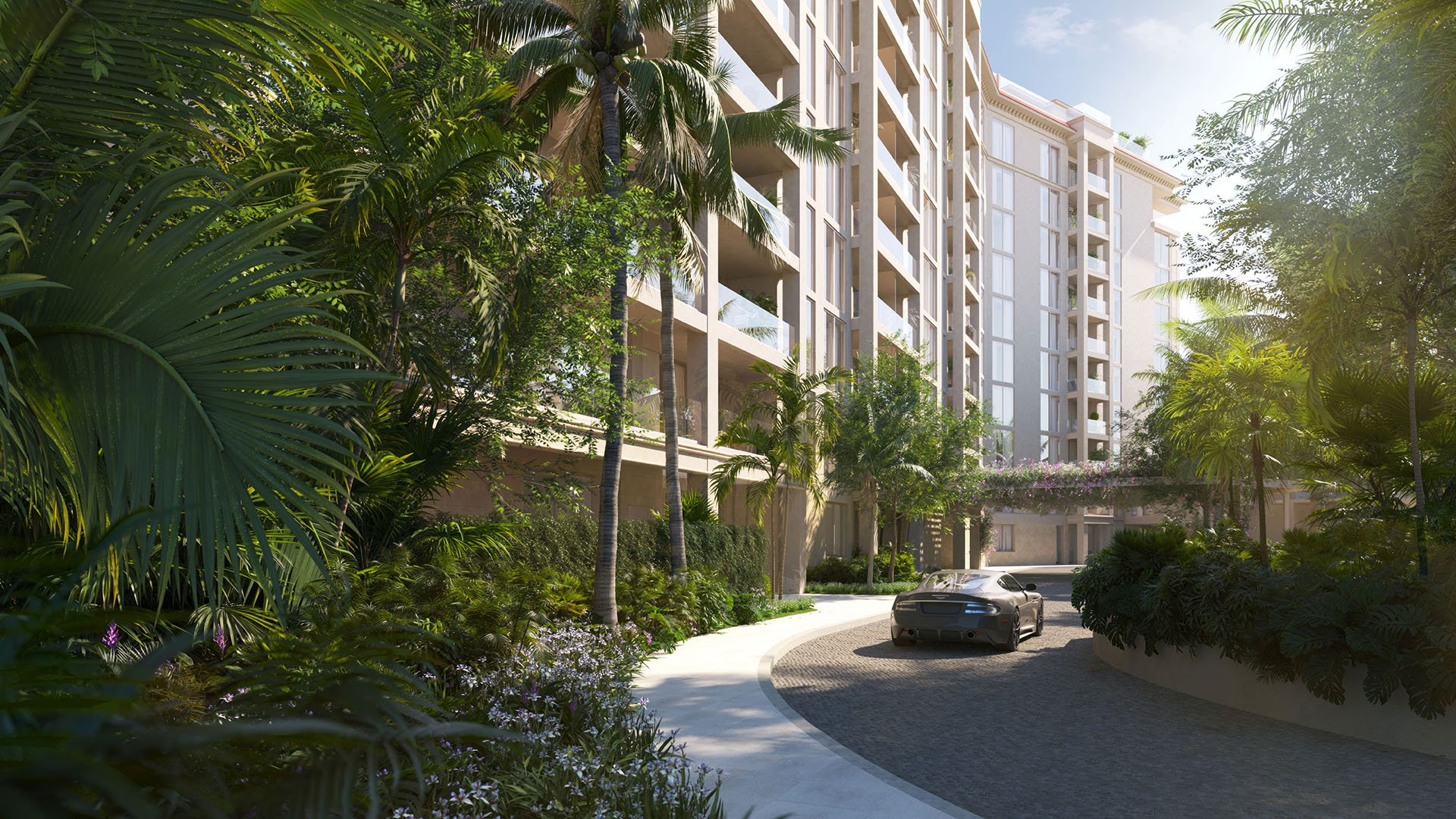
For a buyer transitioning from Hong Kong, Fisher Island presents a rare proposition: privacy, waterfront living, controlled access, and an established residential environment near Miami Beach. Yet the quality of ownership during extended absences depends on more than architecture and amenities. It depends on who is authorized to act, how the residence is monitored, and what happens when ordinary island access is interrupted.
That operational layer should be evaluated alongside the home itself. Buyers considering Palazzo del Sol, Palazzo della Luna, or another island address should ask building-specific questions before closing. Management procedures, emergency contacts, storm protections, generator coverage, water controls, and post-event access all affect how confidently a residence can be held from overseas.
On Fisher Island, absence care is part of the asset strategy, not an afterthought.
This is particularly important for a second-home buyer operating across a substantial time difference. When a leak, mechanical alert, or tropical-weather decision demands an immediate response, the owner may be asleep or unreachable. A named local representative, written authority, and a backup decision-maker turn a concierge promise into a workable system.
Fisher Island is governed by the Fisher Island Community Association, commonly known as FICA. Its formal rules address absentee ownership and hurricane preparation. An owner expecting to be away during hurricane season must designate a responsible firm or individual to care for the unit and lot if hurricane damage occurs. The caretaker’s information must be provided to the applicable condominium or homeowners’ association property manager.
The framework also includes an annual administrative timetable. Each association’s property-management company must submit its list of absent owners and their designated emergency contacts to FICA by June 1. Before closing, a buyer should confirm precisely how the building collects and verifies this information-and how it handles changes after the annual submission.
For readers accustomed to broad buyer’s guides, the distinction is important. The association manager, a private home-watch provider, an owner’s representative, and a household employee may carry different responsibilities. The contract should identify the primary caretaker and establish who acts if that person is unavailable.
Buyers should also understand the rule governing association subcontractors or contractors engaged for property-management services. If a related problem occurs, the association must resolve it within 24 hours at its expense. That obligation is relevant, but it does not replace the owner’s need for independent documentation, rapid communication, and authority to stabilize the interior.
A polished concierge presentation is no substitute for operational readiness. Property-manager selection should begin with Fisher Island experience, hurricane procedures, after-hours coverage, reporting discipline, vendor depth, and familiarity with restricted access. Ask who physically performs inspections, whether that person is an employee or subcontractor, and who assumes responsibility when the assigned contact cannot reach the island.
The written agreement should establish inspection frequency and define the evidence delivered after every visit. Dated photographs or video, humidity and temperature observations, visible plumbing checks, appliance status, balcony conditions, and records of outstanding maintenance matters create continuity for an overseas owner. The scope should also address key custody, alarm credentials, package handling, vehicle oversight if applicable, and coordination with the building engineer.
A buyer comparing an expansive residence at The Links Estates at Fisher Island with a condominium at The Residences at Six Fisher Island should not assume that the same absence-care model suits both. The relevant association protocols, physical envelope, systems, and boundaries between common-area and owner responsibilities should shape the mandate.
Interview candidates through scenarios rather than general questions. Ask how they would respond to a water alarm at 3 a.m. Miami time, document a suspected envelope breach, secure emergency vendors, or communicate when Hong Kong approval cannot be obtained promptly. Request sample reports and escalation sequences. A directory listing, local address, or luxury positioning alone does not establish suitability.
FICA rules prohibit individual hurricane shutters or similar owner-installed protections. Buyers must therefore examine the building’s specifications and association-approved storm measures rather than plan a private shutter solution after purchase. Due diligence should cover impact-glass specifications, envelope design, generator coverage, water-shutoff procedures, balcony preparation, and the association’s storm timetable.
This matters across Fisher Island’s waterfront inventory because exposure cannot be managed through interior furnishings alone. Clarify what the association handles, what the private manager handles, and what must be completed by a stated deadline. Outdoor objects, interior valuables, refrigeration, climate control, and plumbing may each require separate instructions.
The owner’s plan should include preauthorized spending limits. Without them, a representative may identify water intrusion yet lack authority to begin extraction, mold prevention, or temporary repairs. Set distinct thresholds for routine maintenance, urgent stabilization, and major work, with a clear process for exceeding each limit. Keep insurer details, policy contacts, inventories, and residence records securely accessible to the authorized representative.
Fisher Island relies on ferry access rather than a bridge. During storm conditions, ferry schedules may be modified and then suspended. Capacity and timing can create a longer effective evacuation lead time than in bridge-served Miami communities, making early preparation essential.
Post-storm return is equally nuanced. Physical access depends on restored ferry service, community damage assessments, and utility coordination. Permission to re-enter does not necessarily mean that elevators, power, water, climate systems, or every building service are fully stabilized. A gated-community setting offers control, but it also requires owners and their representatives to operate within coordinated access rules.
The absence-care agreement should identify the first authorized inspector after a storm. Depending on access and responsibility, that may be the building engineer, association manager, or private representative. The plan should establish who photographs conditions, checks for water, confirms power and climate status, initiates mitigation, and reports back. It should also verify whether the representative and critical vendors can obtain island access during a restricted re-entry period.
A robust communication plan should account for time zones before an emergency occurs. Name a primary owner contact, a backup decision-maker, the local representative, the association manager, and relevant technical or insurance contacts. Specify which channels are used for routine reporting and which trigger an urgent response.
Written instructions should distinguish notification from permission. The manager may need authority to shut off water, admit a vendor, move vulnerable contents, or begin limited stabilization without awaiting a reply. Major restoration decisions can remain subject to owner approval while immediate loss prevention proceeds within agreed limits.
Reporting should be concise enough to use under pressure: timestamp, access status, observed condition, actions taken, expected next step, cost exposure, and next update time. This format supports investment oversight as well as personal peace of mind, creating a consistent record across managers, vendors, associations, and insurers.
Finally, review the entire protocol annually before hurricane season and whenever the owner, manager, insurer, or residence changes. Confirm the June 1 emergency-contact process, refresh access credentials, verify vendor availability, and test the communication chain. The most discreet luxury is not merely having someone available. It is knowing that the right person can act, document, and communicate when the owner cannot be present.
For a private discussion about selecting a Fisher Island residence and structuring ownership around your needs, connect with MILLION.
If branded residences are on your mind — as a home or as an allocation — we would be glad to share what we are seeing, privately.
Begin a quiet conversationAn owner expecting to be absent during hurricane season must designate a responsible firm or individual to care for the unit and lot if hurricane damage occurs.
The owner must provide the designated caretaker’s details to the applicable condominium or homeowners’ association property manager.
Each association’s property-management company must submit its list of absent owners and designated emergency contacts to FICA by June 1 annually.
FICA rules prohibit individual hurricane shutters or similar owner-installed protections, making building specifications and approved measures central to due diligence.
It should define inspections, reporting, key custody, emergency access, spending authority, escalation procedures, and backup coverage.
Ferry schedules can be modified and suspended, creating longer preparation lead times and making post-storm access dependent on coordinated restoration.
Not necessarily. Ferry restoration and permission to return may precede full stabilization of utilities, elevators, climate systems, or other services.
Ask about Fisher Island experience, hurricane readiness, after-hours response, vendor access, sample reports, and authority during restricted re-entry.
Yes. Defined limits can allow prompt water extraction, mold prevention, or temporary repairs when an overseas owner cannot respond immediately.
Review it annually before hurricane season and whenever the owner, residence, manager, insurer, or emergency contacts change.