A carefully furnished Casamar residence begins with coordinated ownership, customs, storage, and insurance decisions. This buyer’s guide separates import deadlines from delivery promises and identifies the written confirmations to obtain before valuable pieces leave their overseas origin.
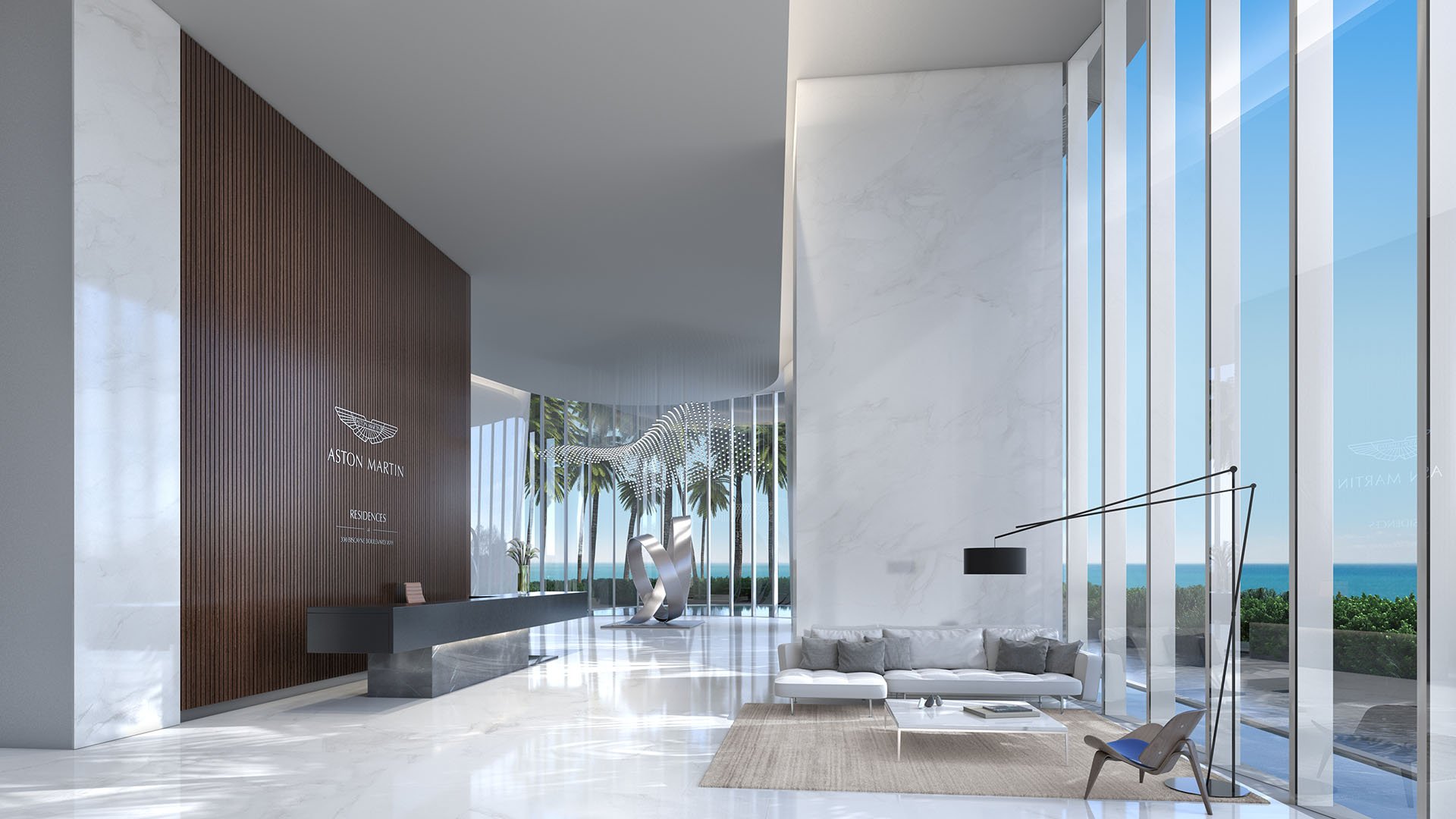
For a buyer at Casamar, furnishing a residence can be as considered as acquiring it. Imported seating, commissioned cabinetry, and artwork deserve a plan that connects legal ownership with the journey from overseas departure to final placement. Purchasing through a trust or LLC adds questions to resolve before issuing shipping instructions.
The essential distinction is between owning the residence, importing its contents, and insuring those contents. Do not assume the same name belongs on every document-or that one approval resolves all three. Ask counsel whether the proposed trust or LLC may take title and what documentation the transaction requires. Have counsel and the relevant advisers address the lending, tax, homestead, and insurance implications of the specific arrangement.
Entity ownership is not an automatic route to duty relief. The furnishing plan needs its own customs and insurance review, independent of the closing calendar.
Request Casamar’s current written move-in, alteration, delivery, and insurance package. Confirm delivery windows, loading arrangements, elevator procedures, vendor approval, and any distinction between furniture delivery and installation work. These are questions requiring written answers, not building amenities or permissions to assume.
Next, coordinate the intended importer identity with the customs broker and the ownership interests with the insurance broker. Formal-entry documentation includes importer-number information, an entry summary, release documentation, and a customs bond or cash in lieu of bond. Establish which party will provide each item and who is authorized to act.
For buyers comparing Pompano Beach residences, the same document-first approach belongs in conversations about Armani Casa Residences Pompano Beach. The checklist is transferable; an individual association’s approvals and insurance requirements are not.
Customs timing is not a single countdown. Identify the applicable procedure before scheduling a shipment against a building reservation.
For personal goods purchased overseas, the entry timetable calls for filing within five working days of arrival. A 25-day extension is available on request if the importer cannot file on time. Have the customs broker confirm that this procedure applies and handle any extension request. Do not assume additional time is automatic.
The general commercial-import process has different milestones. Cargo-release documents are required within 15 calendar days after arrival at a U.S. port. The entry summary and estimated duties generally follow within 10 working days after release. These are distinct filing obligations, not interchangeable alternatives to the personal-goods timetable.
Goods valued above $2,500 generally require formal entry. Customs bonds are required for almost all formal entries and may also be required for some informal entries. A valuable furnishing purchase warrants documentation planning before departure, not a last-minute assumption that it will qualify for a simplified process.
Above all, filing deadlines are not guaranteed delivery dates. Examination and release requirements can affect availability. Keep installation appointments provisional until the broker confirms release and the delivery team confirms readiness under the building’s actual procedures.
An off-site holding plan should answer two separate questions: where can the pieces wait, and under what customs status can they remain there?
Ordinary private storage is not a substitute for bonded warehousing. Customs control and duty deferral depend on an authorized warehouse and the applicable entry arrangement. A private facility may serve scheduling needs, but storing goods there does not itself defer duties.
Imported merchandise may remain in an authorized customs bonded warehouse for up to five years from importation, with duty payment deferred until withdrawal for consumption. Ask the customs broker whether that arrangement suits the shipment and what withdrawal procedures apply. The five-year allowance is a customs provision, not a promise about storage pricing, handling quality, or insurance.
Immediate Transportation, or IT, is a separate procedure. It allows goods to move under bond from the arrival port to another U.S. port for final entry and clearance without paying duties at the first port. It does not complete clearance: destination-arrival reporting and applicable entry or closure procedures remain necessary.
Before selecting storage, request written answers about custody, access, condition documentation, and insurance. Review those commercial arrangements alongside customs authorization, without confusing the two.
Florida’s condominium insurance framework requires associations to maintain adequate property insurance, but excludes personal property within units and specified interior items from association property coverage. Do not assume the master policy insures the owner’s furnishings, artwork, or installation damage.
Ask the insurance broker to map the proposed protection across transit, off-site storage, delivery, unpacking, installation, and final placement. For each stage, request confirmation of the insured property, valuation basis, limits, deductibles, exclusions, and correct named insured. These are coverage questions, not benefits to presume.
Where a trust or LLC is involved, ask specifically how the policy should reflect the relevant ownership interests. Address the residence’s title and the ownership of its contents rather than treating them as identical by default.
A Broward buyer considering The Ritz-Carlton Residences® Pompano Beach should apply the same scrutiny. Neither a residential name nor an association’s property coverage establishes whether a particular collection is protected during storage or installation.
An installer’s documentation and an owner’s coverage review belong on separate checklists. General condominium practice can include pre-work insurance certificates, association-set commercial general liability limits, and workers’ compensation coverage or a valid exemption. That does not establish Casamar’s requirements.
Obtain the building’s actual certificate and endorsement requirements before booking the team. Ask whether each proposed task falls under delivery procedures or requires alteration approval. Have the insurance broker review the planned work; a certificate alone does not answer coverage questions.
For valuable pieces, consider requesting a documented handover at each change of custody, including condition records before storage and before installation. The objective is a clear record of who handled the property and when-not an assumption that documentation guarantees reimbursement.
Before authorizing shipment, align four written confirmations: counsel’s ownership review, the customs broker’s entry plan, the storage arrangement, and the insurance broker’s coverage assessment. Then reconcile the delivery and installation schedule with Casamar’s current requirements.
The goal is more than a beautifully furnished residence. It is an arrival process in which legal identity, customs status, custody, and insurance have each been considered before an irreplaceable piece reaches the door.
For a considered approach to South Florida residential purchases, explore MILLION.
If branded residences are on your mind — as a home or as an allocation — we would be glad to share what we are seeing, privately.
Begin a quiet conversationAsk counsel to confirm whether the proposed structure may take title and which transaction documents are required. Lending, tax, homestead, and insurance implications need a separate review of the specific arrangement.
Entity ownership should not be treated as an automatic source of duty relief. Have the customs broker assess the shipment independently of the residence’s ownership structure.
The applicable personal-goods guidance calls for entry within five working days of arrival, with a 25-day extension available on request if filing cannot be completed on time. Have the customs broker confirm applicability.
Cargo-release documents are required within 15 calendar days after arrival. The entry summary and estimated duties generally must be submitted within 10 working days after release.
Goods valued above $2,500 generally require formal entry. Customs bonds are required for almost all formal entries and can also be required for some informal entries.
No. Examination and release requirements can affect availability, so installation scheduling should remain provisional until release and delivery readiness are confirmed.
No duty deferral should be assumed from ordinary private storage. Authorized customs bonded warehousing can allow merchandise to remain for up to five years from importation, with duties deferred until withdrawal for consumption.
No. It moves goods under bond to another U.S. port for final entry and clearance; destination-arrival reporting and applicable entry or closure procedures still remain.
Do not assume it does. Florida’s condominium insurance framework excludes personal property within units and specified interior items from association property coverage, so the owner’s coverage needs a separate review.
Request Casamar’s current certificate and endorsement requirements before booking installers. General condominium practices do not establish its specific liability limits, workers’ compensation requirements, or approval procedures.